

Northern Rough-winged Swallow vs Cliff Swallow
Stelgidopteryx serripennis contro Petrochelidon pyrrhonota
Fai un quiz con Northern Rough-winged Swallow e Cliff Swallow
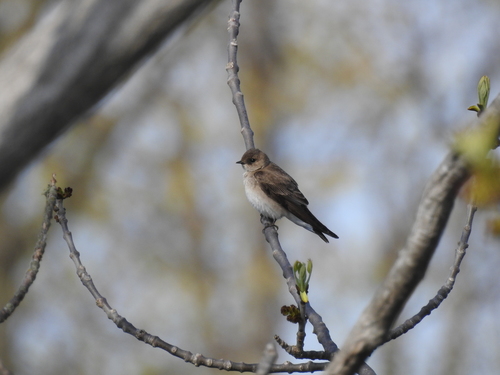 Northern Rough-winged Swallow
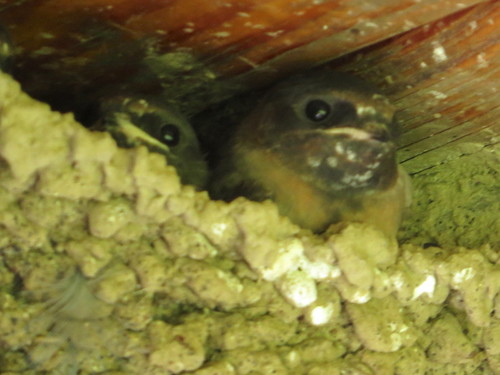 Cliff Swallow
In breve
Il segno distintivo più affidabile per separare il Northern Rough-winged Swallow dal Cliff Swallow è la presenza di una fronte bianca audace e di un posteriore color crema sul Cliff Swallow, che non è mai presente nel Northern Rough-winged. I giovani Cliff Swallow mostrano anche una distintiva maculatura bianca sulla fronte e sulla gola, mentre i giovani Northern Rough-winged Swallow hanno barre alari di colore marrone rossiccio. In volo, il Cliff Swallow ha una coda quadrata e un posteriore pallido in contrasto, mentre il Northern Rough-winged Swallow ha una coda leggermente incisa e parti superiori marroni uniformi. Entrambe le specie sono simili in dimensioni, ma il Cliff Swallow è più probabile che si trovi in grandi colonie rumorose, mentre il Northern Rough-winged Swallow è spesso solitario o in piccoli gruppi.
Consigli di identificazione
- White Forehead (Cliff Swallow): Cerca una macchia bianca audace sulla fronte; presente in tutte le età del Cliff Swallow ma mai nel Northern Rough-winged Swallow.
- Buffy Rump (Cliff Swallow): Il Cliff Swallow mostra un posteriore pallido e color crema in volo e quando è posato, in contrasto con il dorso e le ali più scuri. Il Northern Rough-winged Swallow ha un dorso e un posteriore marroni uniformi.
- Juvenile Facial Markings: I giovani Cliff Swallow hanno una fronte e una gola maculate di bianco, mentre i giovani Northern Rough-winged Swallow non hanno queste e mostrano invece barre alari marrone rossiccio.
- Throat Color: Il Cliff Swallow ha una gola scura con guance rosse ricche; il Northern Rough-winged Swallow ha una gola semplice, grigio-marrone scuro.
- Tail Shape: Il Cliff Swallow ha una coda quadrata; il Northern Rough-winged Swallow ha una coda leggermente forked o incisa. Questo è più evidente in volo.
- Upperparts: Il Northern Rough-winged Swallow è marrone uniformemente sopra; il Cliff Swallow è più scuro con una corona e un mantello iridescenti in buona luce.
- Underparts: Entrambi hanno parti inferiori bianche, ma quelle del Cliff Swallow sono più pulite e più nettamente demarcate, mentre quelle del Northern Rough-winged Swallow possono apparire più sporche a causa della lavatura grigia della gola.
- Colony Size: Grandi colonie di nidificazione dense (centinaia a migliaia di uccelli) indicano fortemente il Cliff Swallow. Uccelli solitari o raggruppati allentati favoriscono il Northern Rough-winged Swallow.
- Nesting Substrate: I nidi del Cliff Swallow sono costruiti in fango e attaccati a superfici verticali; il Northern Rough-winged Swallow utilizza tane in banchi o tubi, solitamente non visibili a meno che non vengano osservati da vicino.
- Flight Flocks: I Cliff Swallow volano spesso in stormi stretti e vorticosi vicino alle colonie; i Northern Rough-winged Swallow sono più spesso visti singolarmente o in piccoli gruppi allentati.
- Juvenile Upperwing Pattern: Solo i giovani Northern Rough-winged Swallow mostrano barre alari marrone rossiccio; controlla questo alla fine dell'estate.
- Sex Differences: Non utile sul campo; i sessi di entrambe le specie sono simili nell'aspetto.
- Bill Shape: Entrambi hanno becchi corti e piatti tipici delle rondini; non è un segno utile per la separazione.
- Voice: Non descritto nelle note fornite; non fare affidamento sulle vocalizzazioni per la separazione qui.
- Pitfalls: Fai attenzione a confondere il giovane Cliff Swallow (con maculature bianche sul viso) con altre rondini a faccia chiara, e a scambiare le parti superiori marroni uniformi del Northern Rough-winged Swallow per un Cliff Swallow opaco in scarsa luce.
Taglia
Entrambe le specie sono molto simili in lunghezza, con il Northern Rough-winged Swallow che misura 13–15 cm e il Cliff Swallow che ha una media di circa 13 cm. La massa corporea del Northern Rough-winged Swallow è di circa 13.9 g [wikidata], e il Cliff Swallow è simile ma non specificato qui. In generale, la dimensione non è un segno affidabile per la separazione sul campo.
Piumaggio
- Juveniles: I giovani Cliff Swallow hanno una fronte e una gola distintive maculate di bianco, che sono altamente variabili tra gli individui, e mancano dell'iridescenza degli adulti. I giovani Northern Rough-winged Swallow sono marroni più semplici sopra e mostrano barre alari marrone rossiccio, una caratteristica non presente nel Cliff Swallow.
- Adults: Gli adulti Cliff Swallow hanno una fronte bianca audace, una gola scura, guance rosse ricche e un posteriore color crema, con parti superiori e ali marroni scure. I Northern Rough-winged Swallow sono marroni uniformemente sopra con parti inferiori bianche e una gola lavata grigio-marrone scuro, priva di qualsiasi marcatura audace sul viso o sul posteriore.
- Tail: Il Cliff Swallow ha una coda quadrata, mentre il Northern Rough-winged Swallow ha una coda leggermente forked o incisa.
- Sex differences: I sessi del Cliff Swallow sono identici nel piumaggio; i maschi del Northern Rough-winged hanno copritrici sottocodali più lunghe e più larghe e barbette ricurve sulle primarie esterne, ma questi non sono segni sul campo.
Comportamento
I Cliff Swallow sono altamente sociali, nidificando in grandi colonie dense che possono contare migliaia di esemplari, e sono spesso visti in stormi rumorosi e vorticosi. I Northern Rough-winged Swallow sono più solitari, tipicamente nidificando da soli o in gruppi allentati, a volte vicino alle colonie di Bank Swallow, ma raramente in grandi aggregazioni. In volo, entrambe le specie sono agili, ma i Cliff Swallow possono apparire più frenetici e sono più propensi a essere visti in grandi gruppi.
Habitat
I Cliff Swallow sono strettamente associati a superfici verticali per il nido, come scogliere, ponti e edifici, e si trovano quasi sempre in o vicino a grandi colonie. I Northern Rough-winged Swallow nidificano in tane in banchi, tubi o altre cavità, spesso singolarmente o in piccoli gruppi, e sono meno legati a grandi colonie. Entrambe le specie si nutrono su acque aperte e campi, ma il contesto di una grande colonia di nidificazione favorisce fortemente il Cliff Swallow.
Northern Rough-winged Swallow · Cliff Swallow · I miei uccelli difficili