

Motmot

アメリカハイイロチュウヒ 対 ヒメハイイロチュウヒ

Circus hudsonius 対 Circus pygargus

アメリカハイイロチュウヒとヒメハイイロチュウヒのクイズ
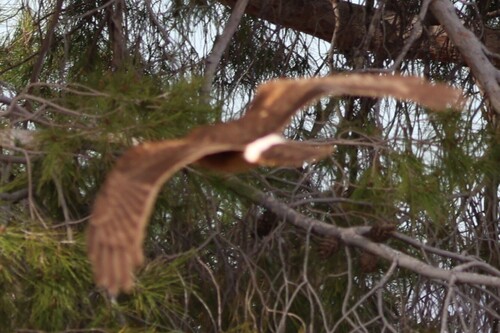
アメリカハイイロチュウヒ (Circus hudsonius) アメリカハイイロチュウヒ
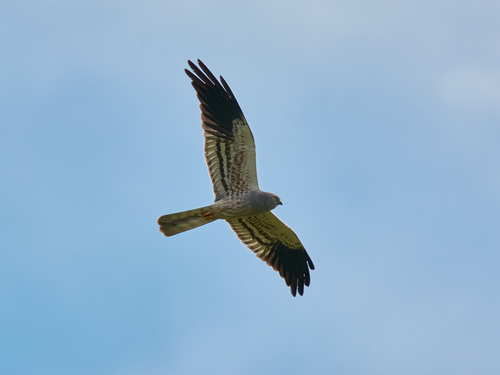
ヒメハイイロチュウヒ (Circus pygargus) ヒメハイイロチュウヒ

メディア

読み込み中…

要点

アメリカハイイロチュウヒとヒメハイイロチュウヒの最も信頼できる区別は、特に飛行中において構造的なものである。アメリカハイイロチュウヒはより大きく、翼が長く、より広く丸みを帯びた翼と、体のサイズに対して長い尾を持つのに対し、ヒメハイイロチュウヒは明らかにスリムで、より狭く尖った翼と、より優雅で浮遊感のある飛行を持つ。幼鳥と雌は羽毛が非常に似ているため、形と飛行スタイルに注目する必要がある。成鳥のオスはより簡単に区別できる:アメリカハイイロチュウヒのオスはヒメハイイロチュウヒよりも全体的に暗い灰色で、ヒメハイイロチュウヒはより多くの斑点と明確な黒い二次羽の帯を示す。両種は開けた地面を低く飛びながら狩りを行い、翼をV字型に保つが、ヒメハイイロチュウヒはよりトンビのように見え、翼の打ち方が弾力的である。鳴き声は現場で診断的であることは稀である。分布は通常決定的であり、アメリカハイイロチュウヒは北アメリカに生息し、ヒメハイイロチュウヒはユーラシアに生息するが、漂流や移動中の重複が発生することがある。

識別のコツ

  1. 飛行中の構造が重要: アメリカハイイロチュウヒはより大きく、より広く丸みを帯びた翼と長い尾を持つ; ヒメハイイロチュウヒはスリムで、より狭く尖った翼と長い手(一次投影)を持つ。これは並べて比較するか、経験によって最も明らかになる。
  2. 飛行スタイル: ヒメハイイロチュウヒは滑らかで浮遊感のある、ほぼトンビのような飛行を持ち、弾力的な翼の打ち方をするが、アメリカハイイロチュウヒはより重く、より意図的で、しばしば地面に寄り添う。
  3. 成鳥のオスの羽毛: アメリカハイイロチュウヒのオスは上面と下面がより暗く、より均一な灰色で、コントラストが少ない; ヒメハイイロチュウヒのオスはより淡い灰色で、黒い翼先、黒い二次羽の帯(上面と下面)、お腹と側面に錆色の筋がある。
  4. 雌と幼鳥の羽毛: 両方とも上面が茶色で、下面が淡く筋や斑点があり、両方とも白い尾羽を持つ。アメリカハイイロチュウヒの雌はより暗く、より赤褐色であるが、これは微妙で信頼性がない。幼鳥のヒメハイイロチュウヒは雌の筋模様に比べてより均一な赤褐色の下体を持つ。
  5. 白い尾羽: 両種は飛行中に目を引く白い尾羽を示す; これは区別要因ではない。
  6. 翼の模様(全年齢): ヒメハイイロチュウヒはより長く、狭い翼を持ち、より尖った先端を持つ; アメリカハイイロチュウヒの翼はより広く、より丸みを帯びている。これは滑空または上昇する鳥で最もよく見られる。
  7. 頭部と顔の円盤: 両方ともフクロウのような顔の円盤を持つが、これは区別のための実用的なフィールドマークではない。
  8. 止まっている姿勢: アメリカハイイロチュウヒは止まっているときにより大きく、長い尾を持っているように見えるが、ヒメハイイロチュウヒはよりスリムで直立している。
  9. サイズ: アメリカハイイロチュウヒは特に雌においてより大きく、より重いが、重複が発生し、サイズは他のマークと一緒に使用するのが最適である。
  10. 生息地と分布: アメリカハイイロチュウヒは北アメリカに生息し; ヒメハイイロチュウヒはユーラシアに生息する。予想される範囲外で見られた場合、漂流を考慮するが、構造と羽毛に依存する。
  11. 声: 信頼できる区別要因ではない; 両方ともほとんど静かである。
  12. メラニスティック形態: ヒメハイイロチュウヒはメラニスティック形態(全体が暗い鳥)を示すことがあり、これは稀でアメリカハイイロチュウヒには存在しない。
  13. 性差: 両種は強い性差を示す; 羽毛を判断する際には常に性別を考慮する。
  14. 他のチュウヒとの混同: 両方ともヒメハイイロチュウヒやウスハイイロチュウヒと混同されることがあるが、それらには独自の特徴的なマークがある(ここでは取り上げていない)。
  15. 落とし穴: 白い尾羽や一般的な茶色/灰色の色合いだけに依存しない; 構造、飛行スタイル、オスの場合は翼の模様と体色に注目する必要がある。

大きさ

アメリカハイイロチュウヒは特に雌の中でより大きく、より重い鳥である。アメリカハイイロチュウヒの長さは41–52 cmで、翼幅は97–122 cm; ヒメハイイロチュウヒは43–47 cmで、翼幅は97–115 cmとやや短い。質量もアメリカハイイロチュウヒの方が大きく(オスは平均350 g、雌は530 g)、ヒメハイイロチュウヒは(オスは平均265 g、雌は345 g)[wikipedia][wikidata]。アメリカハイイロチュウヒは北アメリカの猛禽類の中で体のサイズに対して最も長い翼と尾を持ち、フィールドでよりスリムで実質的に見える。

羽色

成鳥のオスに関して、アメリカハイイロチュウヒは上面と下面がより暗く、より均一な灰色で、時には「グレーゴースト」と呼ばれるが、ヒメハイイロチュウヒのオスはより淡い灰色で、黒い翼先と二次羽に沿った明確な黒い帯(上面と下面で見える)とお腹と側面に錆色の筋がある。雌と幼鳥の羽毛は両種で非常に似ている:上面が茶色で、下面が淡く筋や斑点があり、両方とも白い尾羽を持つ。しかし、ヒメハイイロチュウヒの雌と幼鳥はウスハイイロチュウヒに見られる淡い襟がなく、下部はより黄色がかった茶色で、縦のストライプと斑点のある翼覆いを持つ; 幼鳥はより均一な赤褐色の下体を持つ。アメリカハイイロチュウヒの雌はヒメハイイロチュウヒよりも暗く、より赤褐色であるが、これは微妙で信頼性がない。飛行中、ヒメハイイロチュウヒはより長く、狭く、より尖った翼を示し、より優雅で弾力的な翼の打ち方を持つが、アメリカハイイロチュウヒの翼はより広く、より丸みを帯びている。両種は白い尾羽を持つため、これは区別要因ではない。

行動

両種は翼を浅いV(ダイヘドラル)に保ちながら開けた地面を低く飛んで狩りを行うが、ヒメハイイロチュウヒの飛行はより滑らかで浮遊感があり、ほぼトンビのようで、弾力的な翼の打ち方を持つ。アメリカハイイロチュウヒはより重く、より計画的に見え、地形の輪郭に寄り添う。両方とも顔の円盤を使って音で獲物を探す。止まっているとき、アメリカハイイロチュウヒはより大きく、長い尾を持っているように見えるが、ヒメハイイロチュウヒはよりスリムで直立している。両方とも地面に巣を作り、フィールドや湿地を四分するのを見ることができる。

生息環境

アメリカハイイロチュウヒは北アメリカの北部にある開けた生息地、特に湿地、草原、プレーリーで繁殖する。ヒメハイイロチュウヒはユーラシア全体の大きな開けた地域、草原、農地、草地で繁殖する。両方とも狩りのために開けた国を好むが、彼らの分布は稀な漂流を除いて重複しない。冬には、アメリカハイイロチュウヒはアメリカ大陸内で南に移動し、ヒメハイイロチュウヒはアフリカ、インド亜大陸、アラビアで冬を越す。

声

鳴き声は信頼できるフィールドの区別要因ではない。アメリカハイイロチュウヒはほとんど静かであるが、両性ともに特に警戒しているときや繁殖中に速い「ケック」という音を出すことができる。ヒメハイイロチュウヒも一般的に静かであり、フィールドでの区別のための特徴的な鳴き声は記録されていない。

より良い説明を送る

比較と同じ項目を使ってください。文章はすぐに公開されます。

The most reliable separation between Northern Harrier and Montagu's Harrier, especially in flight, is structural: Northern Harrier is bulkier and longer-winged, with broader, more rounded wings and a longer tail relative to body size, while Montagu's Harrier is noticeably slimmer, with narrower, more pointed wings and a more graceful, buoyant flight. For juveniles and females, plumage is very similar, so focus on shape and flight style. Adult males are easier: Northern Harrier males are darker grey overall than Montagu's, which show more mottling and distinct black secondary bars. Both species hunt low over open ground with a dihedral, but Montagu's appears more tern-like and elastic in wingbeat. Vocalizations are rarely diagnostic in the field. Range is usually decisive: Northern Harrier is North American, Montagu's is Palearctic, but vagrancy and overlap in migration can occur.

  1. Structure in flight is key: Northern Harrier is bulkier, with broader, more rounded wings and a longer tail; Montagu's Harrier is slimmer, with narrower, more pointed wings and a longer hand (primary projection). This is most obvious in side-by-side comparison or with experience.
  2. Flight style: Montagu's Harrier has a smoother, more buoyant, almost tern-like flight with elastic wingbeats, while Northern Harrier is heavier and more deliberate, often hugging the ground.
  3. Adult male plumage: Northern Harrier males are darker, more uniform grey above and below, with less contrast; Montagu's Harrier males are paler grey, with black wingtips, black secondary bars (above and below), and rusty streaks on the belly and flanks.
  4. Female and juvenile plumage: Both are brown above and pale below with streaks or spots, and both show a white rump. Northern Harrier females are darker and more rufous, but this is subtle and unreliable. Juvenile Montagu's have a more uniform rufous underbody compared to the streaked pattern of females.
  5. White rump: Both species show a striking white rump in flight; this is not a separator.
  6. Wing pattern (all ages): Montagu's Harrier shows longer, narrower wings with more pointed tips; Northern Harrier's wings are broader and more rounded. This is best seen in gliding or soaring birds.
  7. Head and facial disc: Both have an owl-like facial disc, but this is not a practical field mark for separation.
  8. Perched posture: Northern Harrier looks bulkier and longer-tailed when perched, while Montagu's is more slender and upright.
  9. Size: Northern Harrier is larger and heavier, especially females, but overlap occurs and size is best used with other marks.
  10. Habitat and range: Northern Harrier is North American; Montagu's is Palearctic. If seen outside expected range, consider vagrancy but rely on structure and plumage.
  11. Voice: Not a reliable separator; both are mostly silent.
  12. Melanistic forms: Montagu's Harrier can show melanistic morphs (all dark birds), which are rare and not present in Northern Harrier.
  13. Sexual dimorphism: Both species show strong sexual dimorphism; always consider sex when judging plumage.
  14. Confusion with other harriers: Both can be confused with Hen or Pallid Harrier, but those have their own distinctive marks (not covered here).
  15. Pitfalls: Do not rely on the white rump or general brown/grey coloration alone; focus on structure, flight style, and, for males, wing pattern and body color.

Northern Harrier is the larger and heavier bird, especially among females. Northern Harrier length is 41–52 cm with a wingspan of 97–122 cm; Montagu's Harrier is slightly shorter at 43–47 cm and a wingspan of 97–115 cm. Mass is also greater in Northern Harrier (males average 350 g, females 530 g) compared to Montagu's (males average 265 g, females 345 g) [wikipedia][wikidata]. Northern Harrier has the longest wing and tail relative to body size of any North American raptor, making it look rangier and more substantial in the field.

For adult males, Northern Harrier is a darker, more uniform grey above and below, sometimes called the 'Grey Ghost,' while Montagu's Harrier male is paler grey with black wingtips and distinct black bands along the secondaries (visible above and below) and rusty streaks on the belly and flanks. Female and juvenile plumages are very similar in both species: brown above, pale with streaks or spots below, and both show a white rump. However, Montagu's Harrier females and juveniles lack the pale collar seen in Pallid Harrier, and their underparts are more yellow-brown with longitudinal stripes and spotted wing coverts; juveniles have a more uniform rufous underbody. Northern Harrier females are darker and more rufous than Montagu's, but this is subtle and unreliable. In flight, Montagu's shows longer, narrower, and more pointed wings, with a more elegant, elastic wingbeat, while Northern Harrier's wings are broader and more rounded. Both species have a white rump, so this is not a separator.

Both species hunt by flying low over open ground with wings held in a shallow V (dihedral), but Montagu's Harrier's flight is smoother, more buoyant, and almost tern-like, with elastic wingbeats. Northern Harrier appears heavier and more methodical, hugging the contours of the land. Both use their facial disc to help locate prey by sound. Perched, Northern Harrier looks bulkier and longer-tailed, while Montagu's is more slender and upright. Both are ground nesters and can be seen quartering fields and marshes.

Northern Harrier breeds in open habitats across northern North America, especially marshes, grasslands, and prairies. Montagu's Harrier breeds in large open areas across the Palearctic, including steppe, farmland, and grassland. Both prefer open country for hunting, but their ranges do not overlap except as rare vagrants. In winter, Northern Harrier moves south within the Americas, while Montagu's winters in Africa, the Indian subcontinent, and Arabia.

Vocalizations are not a reliable field separator. Northern Harrier is mostly silent, but both sexes can give fast 'kek' notes, especially when alarmed or during breeding. Montagu's Harrier is also generally quiet; no distinctive calls are noted for field separation.

変更を破棄しますか?

保存していない編集があります。今離れると失われます。

アメリカハイイロチュウヒ · ヒメハイイロチュウヒ · 苦手な鳥