

Northern Harrier vs Albanella minore
Circus hudsonius contro Circus pygargus
Fai un quiz con Northern Harrier e Albanella minore
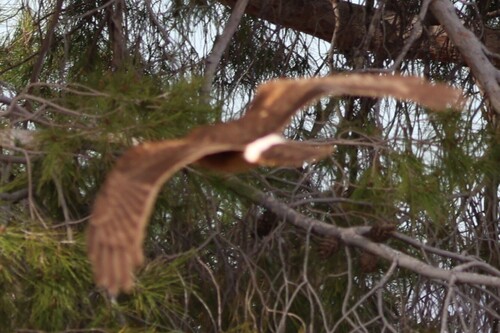 Northern Harrier
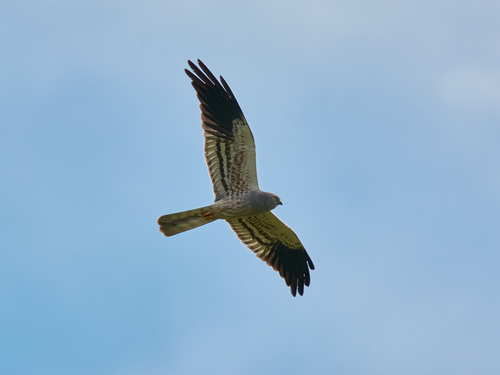 Albanella minore
In breve
La separazione più affidabile tra Northern Harrier e Albanella minore, specialmente in volo, è strutturale: il Northern Harrier è più robusto e con ali più lunghe, con ali più larghe e arrotondate e una coda più lunga rispetto alla dimensione del corpo, mentre l'Albanella minore è visibilmente più snella, con ali più strette e appuntite e un volo più elegante e leggero. Per i giovani e le femmine, il piumaggio è molto simile, quindi concentrati sulla forma e sullo stile di volo. I maschi adulti sono più facili: i maschi di Northern Harrier sono di un grigio più scuro rispetto agli Albanella minore, che mostrano più maculature e barre secondarie nere distinte. Entrambe le specie cacciano basse sopra terreni aperti con un dihedro, ma l'Albanella minore appare più simile a una sterna e più elastica nel battito d'ali. Le vocalizzazioni sono raramente diagnostiche sul campo. L'areale è solitamente decisivo: il Northern Harrier è nordamericano, l'Albanella minore è paleartica, ma possono verificarsi vagabondaggi e sovrapposizioni durante la migrazione.
Consigli di identificazione
- La struttura in volo è fondamentale: il Northern Harrier è più robusto, con ali più larghe e arrotondate e una coda più lunga; l'Albanella minore è più snella, con ali più strette e appuntite e una mano più lunga (proiezione primaria). Questo è più evidente in un confronto affiancato o con esperienza.
- Stile di volo: l'Albanella minore ha un volo più fluido, più leggero, quasi simile a una sterna, con battiti d'ali elastici, mentre il Northern Harrier è più pesante e deliberato, spesso seguendo il terreno.
- Piumaggio del maschio adulto: i maschi di Northern Harrier sono di un grigio più scuro, più uniforme sopra e sotto, con meno contrasto; i maschi di Albanella minore sono di un grigio più chiaro, con punte nere sulle ali, barre secondarie nere (sopra e sotto) e striature ruggine sul ventre e sui fianchi.
- Piumaggio di femmine e giovani: entrambi sono marroni sopra e chiari sotto con striature o macchie, e entrambi mostrano un sottocoda bianco. Le femmine di Northern Harrier sono più scure e più rugginose, ma questo è sottile e inaffidabile. I giovani di Albanella minore hanno un ventre rugginoso più uniforme rispetto al motivo striato delle femmine.
- Sottocoda bianco: entrambe le specie mostrano un sottocoda bianco sorprendente in volo; questo non è un separatore.
- Motivo delle ali (tutte le età): l'Albanella minore mostra ali più lunghe e strette con punte più appuntite; le ali del Northern Harrier sono più larghe e arrotondate. Questo è meglio visto in uccelli che planano o volano in alto.
- Testa e disco facciale: entrambi hanno un disco facciale simile a quello di un gufo, ma questo non è un segno pratico sul campo per la separazione.
- Postura in perching: il Northern Harrier appare più robusto e con una coda più lunga quando è posato, mentre l'Albanella minore è più snella e verticale.
- Dimensioni: il Northern Harrier è più grande e più pesante, specialmente le femmine, ma si verifica sovrapposizione e la dimensione è meglio utilizzata con altri segni.
- Habitat e areale: il Northern Harrier è nordamericano; l'Albanella minore è paleartica. Se vista al di fuori dell'areale previsto, considera il vagabondaggio ma fai affidamento sulla struttura e sul piumaggio.
- Voce: non è un separatore affidabile; entrambi sono per lo più silenziosi.
- Forme melanistiche: l'Albanella minore può mostrare forme melanistiche (tutti gli uccelli scuri), che sono rare e non presenti nel Northern Harrier.
- Dimorfismo sessuale: entrambe le specie mostrano un forte dimorfismo sessuale; considera sempre il sesso quando giudichi il piumaggio.
- Confusione con altri falchi: entrambi possono essere confusi con l'Albanella pallida o il Falco di Hen, ma questi hanno i loro segni distintivi (non trattati qui).
- Insidie: non fare affidamento solo sul sottocoda bianco o sulla colorazione generale marrone/grigia; concentrati sulla struttura, sullo stile di volo e, per i maschi, sul motivo delle ali e sul colore del corpo.
Taglia
Il Northern Harrier è l'uccello più grande e pesante, specialmente tra le femmine. La lunghezza del Northern Harrier è di 41–52 cm con un'apertura alare di 97–122 cm; l'Albanella minore è leggermente più corta a 43–47 cm e un'apertura alare di 97–115 cm. La massa è anche maggiore nel Northern Harrier (i maschi pesano in media 350 g, le femmine 530 g) rispetto all'Albanella minore (i maschi pesano in media 265 g, le femmine 345 g) [wikipedia][wikidata]. Il Northern Harrier ha l'ala e la coda più lunghe rispetto alla dimensione del corpo di qualsiasi rapace nordamericano, facendolo apparire più slanciato e sostanziale sul campo.
Piumaggio
Per i maschi adulti, il Northern Harrier è di un grigio più scuro e uniforme sopra e sotto, a volte chiamato 'Fantasma Grigio', mentre il maschio di Albanella minore è di un grigio più chiaro con punte nere sulle ali e bande nere distinte lungo le secondarie (visibili sopra e sotto) e striature ruggine sul ventre e sui fianchi. I piumaggi delle femmine e dei giovani sono molto simili in entrambe le specie: marrone sopra, chiaro con striature o macchie sotto, e entrambi mostrano un sottocoda bianco. Tuttavia, le femmine e i giovani di Albanella minore mancano del collare chiaro visto nell'Albanella pallida, e le loro parti inferiori sono più giallo-marroni con strisce longitudinali e copritrici delle ali macchiate; i giovani hanno un ventre rugginoso più uniforme. Le femmine di Northern Harrier sono più scure e più rugginose rispetto agli Albanella minore, ma questo è sottile e inaffidabile. In volo, l'Albanella minore mostra ali più lunghe, più strette e più appuntite, con un battito d'ali più elegante ed elastico, mentre le ali del Northern Harrier sono più larghe e arrotondate. Entrambe le specie hanno un sottocoda bianco, quindi questo non è un separatore.
Comportamento
Entrambe le specie cacciano volando basse sopra terreni aperti con le ali tenute in una V poco profonda (dihedro), ma il volo dell'Albanella minore è più fluido, più leggero e quasi simile a una sterna, con battiti d'ali elastici. Il Northern Harrier appare più pesante e più metodico, seguendo i contorni del terreno. Entrambi usano il loro disco facciale per aiutare a localizzare le prede tramite il suono. Posato, il Northern Harrier appare più robusto e con una coda più lunga, mentre l'Albanella minore è più snella e verticale. Entrambi sono nidiatori a terra e possono essere visti sorvolare campi e paludi.
Habitat
Il Northern Harrier nidifica in habitat aperti nel nord dell'America, specialmente nelle paludi, nei prati e nelle praterie. L'Albanella minore nidifica in ampie aree aperte attraverso la Paleartide, inclusi steppa, terreni agricoli e praterie. Entrambi preferiscono terreni aperti per la caccia, ma i loro areali non si sovrappongono tranne che come vagabondi rari. In inverno, il Northern Harrier si sposta a sud all'interno delle Americhe, mentre l'Albanella minore sverna in Africa, nel subcontinente indiano e in Arabia.
Voce
Le vocalizzazioni non sono un separatore affidabile sul campo. Il Northern Harrier è per lo più silenzioso, ma entrambi i sessi possono emettere note rapide 'kek', specialmente quando allarmati o durante la riproduzione. Anche l'Albanella minore è generalmente silenziosa; non sono state notate chiamate distintive per la separazione sul campo.
Northern Harrier · Albanella minore · I miei uccelli difficili