

Motmot

アメリカハイイロチュウヒ 対 アメリカオオタカ

Circus hudsonius 対 Astur atricapillus

アメリカハイイロチュウヒとアメリカオオタカのクイズ
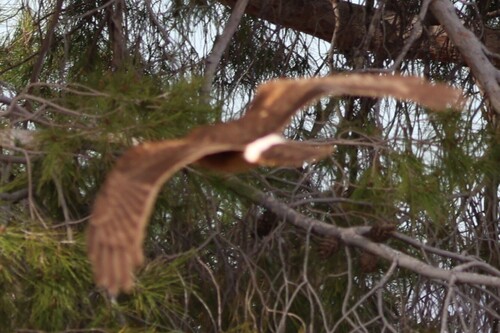
アメリカハイイロチュウヒ (Circus hudsonius) アメリカハイイロチュウヒ
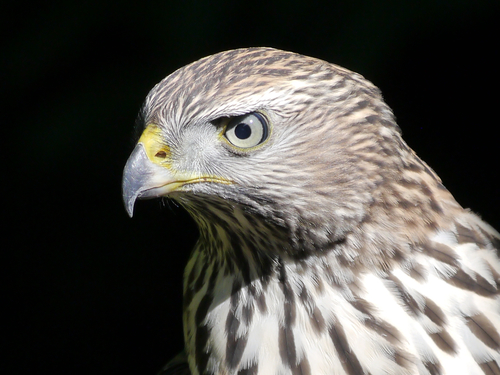
アメリカオオタカ (Astur atricapillus) アメリカオオタカ

メディア

読み込み中…

要点

アメリカハイイロチュウヒとアメリカオオタカの間で最も信頼できるフィールドマークは、ハイイロチュウヒの特徴的な長く狭い翼が浅いV字に保持されていることと、その白い尾羽の斑点であり、すべての年齢の飛行中に特に明らかです。幼鳥や未成熟の羽毛は混乱を引き起こす可能性がありますが、オオタカは決して白い尾羽を示さず、より広く短い翼を持ち、重く力強い飛行をします。ハイイロチュウヒは通常、開けた野原や湿地の上を低く飛んでいるのが見られますが、オオタカはより大きく、森林に適応した猛禽類で、強く直接的な飛行とより頑丈で広い頭部の外観を持っています。構造的な違い、特に飛行のシルエットと尾と翼の比率は重要であり、若い鳥の羽毛の重複は誤解を招く可能性があります。

識別のコツ

  1. 白い尾羽の斑点(すべての年齢、すべての季節): アメリカハイイロチュウヒは、飛行中に明るい白い尾羽を常に示します—これはアメリカオオタカには決して存在しません。このマークが見られた場合、それはハイイロチュウヒの診断的な特徴です。
  2. 翼の形と飛行スタイル: ハイイロチュウヒは、浅いV字に保持された長く狭い翼を持ち、浮遊感のある傾いた低い飛行をします。オオタカは、体に対してより広く短い翼を持ち、深く意図的な翼の拍動とより力強く直接的な飛行をします。
  3. 尾と翼の比率: ハイイロチュウヒの尾は非常に長く狭く、飛行中にしばしば扇状になります。オオタカの尾は広く、頑丈な体に対して相対的に短く見えます。
  4. 幼鳥の腹部の縞模様: 幼鳥のハイイロチュウヒは上面が茶色で腹部に縞模様がありますが、その縞模様はオオタカよりも重くなく、より拡散しています。幼鳥のオオタカは胸と腹に重く均一な垂直の縞模様があり、決して錆色のトーンはありません。
  5. 顔の円盤: ハイイロチュウヒは微妙なフクロウのような顔の円盤を持っています(特に近距離で見える)、これはオオタカにはありません。
  6. 止まっている構造: ハイイロチュウヒは止まっているときにスリムで長い尾と小さな頭に見えます。オオタカはがっしりとしており、広い頭で直立しています。
  7. 成鳥のオスの羽毛: 成鳥のオスのハイイロチュウヒは上面と下面が淡い灰色で(「グレーゴースト」と呼ばれる)、一方、成鳥のオオタカは細かく縞模様のある灰色の腹部と太い白い眉があります。
  8. 成鳥の雌/未成熟の混乱: 雌と未成熟のハイイロチュウヒは、ユーラシアハイイロチュウヒよりも暗く、より赤褐色ですが、依然として白い尾羽を示します。オオタカは決して赤褐色のトーンや白い尾羽を示しません。
  9. 生息地の文脈: ハイイロチュウヒは密な森林ではほとんど見られず、オオタカは開けた国ではめったに見られません。生息地を強力な手がかりとして使用してください。
  10. 飛行行動: ハイイロチュウヒは開けた地面の上を低く漂いながら狩りをし、しばしば野原を四分の一に分けます。オオタカは木々の中を急速で力強い飛行を使用し、しばしば隠れ場所から獲物を待ち伏せします。
  11. 相対的な豊富さ: ハイイロチュウヒは北アメリカの開けた生息地で一般的ですが、オオタカははるかに希少で秘密主義的で、主に成熟した森林に生息しています。
  12. くちばしと頭の形: ハイイロチュウヒは小さく繊細なくちばしと小さな頭を持っていますが、オオタカは大きく頑丈なくちばしと広い頭を持っています。
  13. 声: ハイイロチュウヒはほとんど静かで、時折「ケック」という音を出します;音声は分離のための信頼できるフィールドマークではありません。
  14. サイズの印象: ハイイロチュウヒは軽く、優雅ですが、オオタカは重く、より筋肉質で威圧的です。
  15. 一般的な落とし穴: 幼鳥のハイイロチュウヒは腹部の縞模様のためにアキシピターと間違えられることがありますが、常に白い尾羽と飛行スタイルを確認してください。オオタカの幼鳥は大きなクーパーズホークと混同されることがありますが、よりがっしりとしており、重い縞模様を持ち、決して白い尾羽を示しません。

大きさ

アメリカハイイロチュウヒは全体的にやや小さく、よりスリムで、オスの平均体重は350g、雌は530g、翼幅は97〜122cmです。アメリカオオタカは、より大きく、重い鳥で、より広い体と頭を持ち、ここでは正確な測定値は提供されていませんが、常にハイイロチュウヒよりも大きく、力強く見え、最大のクーパーズホークとの翼と尾の長さに重複はありません。ハイイロチュウヒの翼と尾は体のサイズに対して相対的に長く狭く、飛行中により軽く、浮遊感のある外観を与えます。

羽色

幼鳥と未成熟の鳥は混乱の主な原因です。すべての年齢のアメリカハイイロチュウヒは、飛行中に目立つ白い尾羽の斑点を示し、これはオオタカには決して存在しません。幼鳥のハイイロチュウヒは上面が茶色で腹部に縞模様がありますが、幼鳥のオオタカは胸と腹に重く垂直の縞模様があり、ハイイロチュウヒの白い尾羽はありません。成鳥のオスのハイイロチュウヒは上面と下面が淡い灰色で、「グレーゴースト」と呼ばれ、雌は類似のユーラシア種よりも暗い茶色でより赤褐色です。成鳥のオオタカは細かく縞模様のある灰色の腹部と太い白い眉を持ち、錆色のトーンや白い尾羽はありません。オオタカの幼鳥は均一で重い縞模様を持ち(クーパーズホークのような涙滴型ではなく)、その腹部は決して錆色ではありません。止まっている鳥では、ハイイロチュウヒの顔の円盤は微妙ですが存在し、オオタカは頑丈で凶暴な外観を持ち、広い頭と顔の円盤はありません。

行動

アメリカハイイロチュウヒは、浅いV字に翼を保持して開けた地面の上を低く飛ぶことで狩りをし、しばしば地形の輪郭に近づいて傾き、滑空し、視覚と聴覚の両方を使用して獲物を見つけます。オオタカは森林の狩人で、深く意図的な翼の拍動を持つ強力で直接的な飛行を使用し、しばしば隠れ場所から獲物を待ち伏せします。ハイイロチュウヒの飛行は浮遊感があり漂っていますが、オオタカはより力強く筋肉質に見え、滑空が少なく、より迅速な加速を持っています。止まっているとき、ハイイロチュウヒはスリムで長い尾を持ち、オオタカはがっしりとしており、より直立しています。

生息環境

アメリカハイイロチュウヒはほとんど常に開けた国—湿地、草原、野原—で見られ、森林地域ではめったに見られません。アメリカオオタカは森林の鳥で、特に成熟した森林に生息し、開けた生息地ではほとんど遭遇しません。湿地や野原の上を低く狩りをしている猛禽類を見た場合、それはほぼ確実にハイイロチュウヒです;密な森や森林の端にいる大きなアキシピターはおそらくオオタカです。

声

アメリカハイイロチュウヒはほとんど静かですが、両性ともに短く迅速な「ケック」という音を出し、特に警戒時や繁殖期に見られます。雌のハイイロチュウヒは繁殖期に大きな悲鳴を上げることがあります。オオタカの音声はここでは詳述されていませんが、ハイイロチュウヒとの分離のための主要なフィールドマークではなく、ハイイロチュウヒは一般的に静かで音声が少ないです。

より良い説明を送る

比較と同じ項目を使ってください。文章はすぐに公開されます。

The most reliable field mark between Northern Harrier and American Goshawk is the harrier’s distinctive long, narrow wings held in a shallow V and its white rump patch, especially obvious in flight of all ages. Juvenile and immature plumages can cause confusion, but goshawks never show a white rump and have broader, shorter wings with a heavy, powerful flight. Harriers are typically seen flying low over open fields or marshes, while goshawks are bulkier, forest-adapted raptors with strong, direct flight and a more robust, broad-headed look. Structural differences—especially in flight silhouette and tail-to-wing proportions—are key, as plumage overlap in young birds can be misleading.

  1. White rump patch (all ages, all seasons): Northern Harrier always shows a bright white rump in flight—this is never present in American Goshawk. If you see this mark, it is diagnostic for harrier.
  2. Wing shape and flight style: Harrier has long, narrow wings held in a shallow V, giving a buoyant, tilting, low flight. Goshawk has broader, shorter wings relative to body, with deep, deliberate wingbeats and a more powerful, direct flight.
  3. Tail-to-wing proportions: Harrier’s tail is very long and narrow, often fanned in flight. Goshawk’s tail is broad and appears shorter relative to its robust body.
  4. Juvenile underpart streaking: Juvenile harrier is brown above with streaked underparts, but the streaking is less heavy and more diffuse than in goshawk. Juvenile goshawk has heavy, even, vertical streaking on the chest and belly, never with rusty tones.
  5. Facial disc: Harrier has a subtle owl-like facial disc (especially visible at close range), which is absent in goshawk.
  6. Perched structure: Harrier appears slim, long-tailed, and small-headed when perched. Goshawk is thickset, broad-headed, and upright.
  7. Adult male plumage: Adult male harrier is pale gray above and below ('Grey Ghost'), while adult goshawk is finely barred gray below and darker above, with a bold white eyebrow.
  8. Adult female/immature confusion: Female and immature harriers are darker and more rufous than Eurasian Hen Harrier, but still show the white rump. Goshawk never shows rufous tones or a white rump.
  9. Habitat context: Harrier is almost never found in dense forest; goshawk is rarely seen in open country. Use habitat as a strong supporting clue.
  10. Flight behavior: Harrier hunts by drifting low over open ground, often quartering fields. Goshawk uses rapid, powerful flight through trees, often ambushing prey.
  11. Relative abundance: Harrier is common in open habitats across northern North America; goshawk is much scarcer and more secretive, mainly in mature forests.
  12. Bill and head shape: Harrier has a small, delicate bill and small head; goshawk has a large, robust bill and broad head.
  13. Voice: Harrier is mostly silent, with occasional 'kek' notes; vocalizations are not a reliable field mark for separation.
  14. Size impression: Harrier is lighter, more graceful; goshawk is heavier, more muscular and imposing.
  15. Common pitfalls: Juvenile harriers may be mistaken for accipiters due to streaked underparts, but always check for the white rump and flight style. Goshawk juveniles may be confused with large Cooper’s Hawks, but are bulkier with heavier streaking and never show a white rump.

Northern Harrier is somewhat smaller and more slender overall, with males averaging 350 g and females 530 g, and a wingspan of 97–122 cm. American Goshawk is a bulkier, heavier bird with a broader body and head, and while exact measurements are not provided here, it is consistently larger and more powerful-looking than harrier, with no overlap in wing and tail length with even the largest Cooper’s Hawk. Harrier’s wings and tail are proportionally longer and narrower relative to body size, giving it a lighter, more buoyant appearance in flight.

Juvenile and immature birds are the main source of confusion. Northern Harrier of all ages shows a conspicuous white rump patch in flight, which is never present in goshawk. Juvenile harriers are brown above with streaked underparts, while juvenile goshawks have heavy, vertical streaking on the chest and belly, but lack the harrier’s white rump. Adult male harriers are pale gray above and below, earning the nickname 'Grey Ghost,' while females are darker brown and more rufous than similar Eurasian species. Adult goshawks have finely barred gray underparts and a bold white supercilium, with no rusty tones or white rump. Goshawk juveniles have even, heavy streaking (not teardrop-shaped as in Cooper’s Hawk), and their underparts are never rusty. In perched birds, harrier’s facial disc is subtle but present, while goshawk has a robust, fierce look with a broad head and no facial disc.

Northern Harrier hunts by flying low over open ground with wings held in a shallow V, often tilting and gliding close to the contours of the land, using both vision and hearing to locate prey. Goshawk is a forest hunter, using powerful, direct flight with deep, deliberate wingbeats, often ambushing prey from cover. Harrier’s flight is buoyant and drifting, while goshawk appears more forceful and muscular, with less gliding and more rapid acceleration. Perched, harrier appears slim and long-tailed; goshawk is bulkier and more upright.

Northern Harrier is almost always seen in open country—marshes, grasslands, fields—rarely in forested areas. American Goshawk is a bird of forests, especially mature woodlands, and is seldom encountered in open habitats. If you see a raptor hunting low over a marsh or field, it is almost certainly a harrier; a large accipiter in dense woods or forest edge is likely a goshawk.

Northern Harrier is mostly silent, but both sexes give short, rapid 'kek' notes, especially in alarm or during breeding. Female harrier may emit a loud scream in the breeding season. Goshawk vocalizations are not detailed here, but are not a primary field mark in separation from harrier, as harrier is generally quieter and less vocal overall.

変更を破棄しますか?

保存していない編集があります。今離れると失われます。

アメリカハイイロチュウヒ · アメリカオオタカ · 苦手な鳥