

Northern Harrier vs American Goshawk
Circus hudsonius contro Astur atricapillus
Fai un quiz con Northern Harrier e American Goshawk
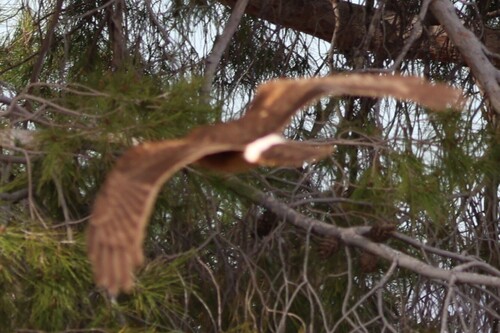 Northern Harrier
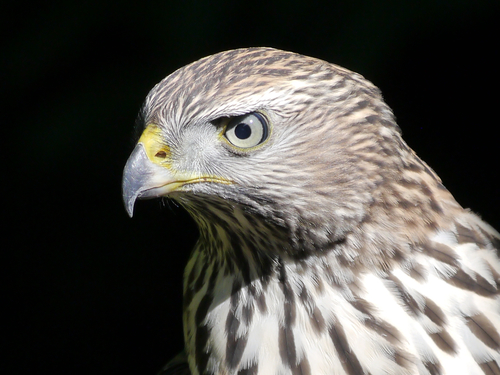 American Goshawk
In breve
Il segno distintivo più affidabile tra Northern Harrier e American Goshawk è le lunghe e strette ali del harrier tenute in una V poco profonda e la sua macchia bianca sul posteriore, particolarmente evidente in volo in tutte le età. Le piume giovanili e immature possono causare confusione, ma i goshawk non mostrano mai un posteriore bianco e hanno ali più larghe e corte con un volo pesante e potente. I harrier vengono tipicamente visti volare bassi su campi aperti o paludi, mentre i goshawk sono rapaci più robusti, adattati alle foreste, con un volo forte e diretto e un aspetto più robusto e con testa larga. Le differenze strutturali—soprattutto nel profilo di volo e nelle proporzioni coda-ala—sono fondamentali, poiché la sovrapposizione del piumaggio nei giovani uccelli può essere fuorviante.
Consigli di identificazione
- Macchia bianca sul posteriore (tutte le età, tutte le stagioni): Northern Harrier mostra sempre un luminoso posteriore bianco in volo—questo non è mai presente in American Goshawk. Se vedi questo segno, è diagnostico per il harrier.
- Forma dell'ala e stile di volo: Il harrier ha ali lunghe e strette tenute in una V poco profonda, dando un volo leggero, inclinato e basso. Il goshawk ha ali più larghe e corte rispetto al corpo, con battiti d'ala profondi e deliberati e un volo più potente e diretto.
- Proporzioni coda-ala: La coda del harrier è molto lunga e stretta, spesso aperta in volo. La coda del goshawk è larga e appare più corta rispetto al suo corpo robusto.
- Striature nelle parti inferiori giovanili: Il harrier giovanile è marrone sopra con parti inferiori striate, ma le striature sono meno pesanti e più diffuse rispetto al goshawk. Il goshawk giovanile ha striature pesanti, uniformi e verticali sul petto e sull'addome, mai con toni rugginosi.
- Disco facciale: Il harrier ha un sottile disco facciale simile a un gufo (specialmente visibile da vicino), che è assente nel goshawk.
- Struttura in perching: Il harrier appare snello, con una lunga coda e una testa piccola quando è in perching. Il goshawk è robusto, con una testa larga e dritta.
- Piumaggio dell'adulto maschio: L'adulto maschio harrier è grigio chiaro sopra e sotto ('Grey Ghost'), mentre l'adulto goshawk è finemente barrato di grigio sotto e più scuro sopra, con un audace sopracciglio bianco.
- Confusione femmina adulta/immatura: Le femmine e i harrier immaturi sono più scuri e più rugginosi rispetto all'Albanella reale eurasiatica, ma mostrano comunque il posteriore bianco. Il goshawk non mostra mai toni rugginosi o un posteriore bianco.
- Contesto dell'habitat: Il harrier non si trova quasi mai in foreste dense; il goshawk è raramente visto in campagna aperta. Usa l'habitat come un forte indizio di supporto.
- Comportamento di volo: Il harrier caccia volando basso su terreni aperti, spesso attraversando i campi. Il goshawk utilizza un volo rapido e potente attraverso gli alberi, spesso agguantando la preda.
- Abbondanza relativa: Il harrier è comune negli habitat aperti del nord America; il goshawk è molto più raro e più segreto, principalmente nelle foreste mature.
- Forma del becco e della testa: Il harrier ha un becco piccolo e delicato e una testa piccola; il goshawk ha un becco grande e robusto e una testa larga.
- Voce: Il harrier è per lo più silenzioso, con occasionali note 'kek'; le vocalizzazioni non sono un segno distintivo affidabile per la separazione.
- Impressione di dimensione: Il harrier è più leggero, più aggraziato; il goshawk è più pesante, più muscoloso e imponente.
- Trappole comuni: I harrier giovanili possono essere scambiati per accipitri a causa delle parti inferiori striate, ma controlla sempre il posteriore bianco e lo stile di volo. I giovani goshawk possono essere confusi con grandi Cooper’s Hawks, ma sono più robusti con striature più pesanti e non mostrano mai un posteriore bianco.
Taglia
Northern Harrier è leggermente più piccolo e più snello nel complesso, con i maschi che pesano in media 350 g e le femmine 530 g, e un'apertura alare di 97–122 cm. American Goshawk è un uccello più robusto e pesante con un corpo e una testa più larghi, e mentre qui non sono fornite misurazioni esatte, è costantemente più grande e dall'aspetto più potente rispetto al harrier, senza sovrapposizione nella lunghezza delle ali e della coda nemmeno con il più grande Cooper’s Hawk. Le ali e la coda del harrier sono proporzionalmente più lunghe e strette rispetto alla dimensione del corpo, conferendogli un aspetto più leggero e più galleggiante in volo.
Piumaggio
Gli uccelli giovanili e immaturi sono la principale fonte di confusione. Northern Harrier di tutte le età mostra una macchia bianca sul posteriore evidente in volo, che non è mai presente nel goshawk. I harrier giovanili sono marroni sopra con parti inferiori striate, mentre i goshawk giovanili hanno striature pesanti e verticali sul petto e sull'addome, ma mancano del posteriore bianco del harrier. Gli adulti maschi harrier sono grigi chiari sopra e sotto, guadagnandosi il soprannome di 'Grey Ghost', mentre le femmine sono marroni più scure e più rugginose rispetto a specie eurasiatiche simili. Gli adulti goshawk hanno parti inferiori grigie finemente barrate e un audace supercilium bianco, senza toni rugginosi o posteriore bianco. I giovani goshawk hanno striature uniformi e pesanti (non a forma di goccia come nel Cooper’s Hawk), e le loro parti inferiori non sono mai rugginose. Negli uccelli in perching, il disco facciale del harrier è sottile ma presente, mentre il goshawk ha un aspetto robusto e feroce con una testa larga e senza disco facciale.
Comportamento
Northern Harrier caccia volando basso su terreni aperti con le ali tenute in una V poco profonda, spesso inclinato e planando vicino ai contorni del terreno, usando sia la vista che l'udito per localizzare la preda. Il goshawk è un cacciatore di foresta, usando un volo potente e diretto con battiti d'ala profondi e deliberati, spesso agguantando la preda da un riparo. Il volo del harrier è galleggiante e fluttuante, mentre il goshawk appare più forzato e muscoloso, con meno planata e più accelerazione rapida. In perching, il harrier appare snello e con una lunga coda; il goshawk è più robusto e più eretto.
Habitat
Northern Harrier è quasi sempre visto in campagna aperta—paludi, praterie, campi—raramente in aree boschive. American Goshawk è un uccello delle foreste, specialmente delle foreste mature, ed è raramente incontrato in habitat aperti. Se vedi un rapace cacciare basso su una palude o un campo, è quasi certamente un harrier; un grande accipiter in boschi densi o al margine della foresta è probabilmente un goshawk.
Voce
Northern Harrier è per lo più silenzioso, ma entrambi i sessi emettono brevi e rapidi suoni 'kek', specialmente in allerta o durante la riproduzione. La femmina harrier può emettere un forte urlo durante la stagione di riproduzione. Le vocalizzazioni del goshawk non sono dettagliate qui, ma non sono un segno distintivo primario per la separazione dal harrier, poiché il harrier è generalmente più silenzioso e meno vocale nel complesso.
Northern Harrier · American Goshawk · I miei uccelli difficili