

Motmot

シロカツオドリ 対 カワウ

Morus bassanus 対 Phalacrocorax carbo

シロカツオドリとカワウのクイズ
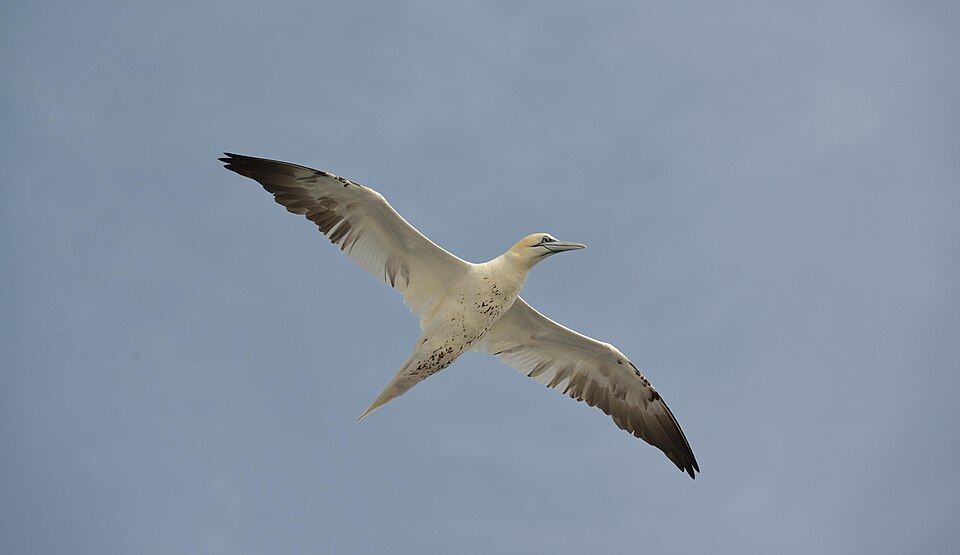
シロカツオドリ (Morus bassanus) シロカツオドリ
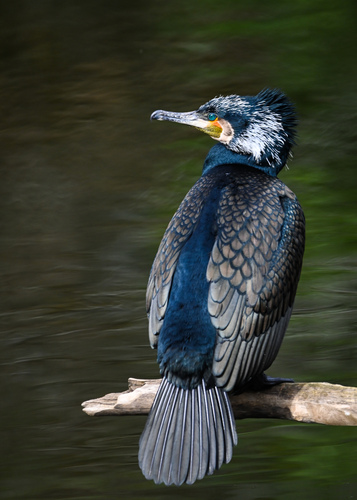
カワウ (Phalacrocorax carbo) カワウ

メディア

読み込み中…

要点

ノーザン・ガネットとカワウの間で最も信頼できるフィールドマークは全体の色です:成鳥のガネットは黒い翼先を持つ際立った白色で、カワウは主に黒色でわずかに虹色の光沢があります。飛行中の幼鳥については、若いガネットは暗褐色で、数年かけて徐々に白くなりますが、若いカワウは淡い腹部を持ちますが、ガネットの白い成鳥の外見には決して近づきません。構造的には、ガネットはより大きく、長く狭い翼と尖った青灰色のくちばしを持ち、カワウは短くフック状のくちばしと、より重く、よりコンパクトな体を持っています。止まっている姿では、ガネットは淡い頭を持ち、バフの色合いがあります(特に繁殖期に)、一方カワウは常に暗く、黄色または赤の喉の斑点があります。

識別のコツ

  1. Overall color in adults: ノーザン・ガネットは黒い翼先と尾を持つほぼ完全に白色で、カワウは金属的な光沢のある黒色です。これは良好な光の下での距離での最も早いチェックです。
  2. Juvenile/immature plumage: 若いガネットは暗褐色でまだら模様で、年を経るごとに白くなります;若いカワウは淡い腹部を持ちますが、全体的に白くなることはありません。もし黒い翼先を持つほぼ白い大きな海鳥を見たら、それはどの年齢のカワウでもありません。
  3. Bill shape and color: ガネットのくちばしは長く尖っていて青灰色で、基部の周りに黒い皮膚があります;カワウのくちばしは短くて太く、フック状で、基部に黄色または赤の喉の皮膚があります。これは中程度の距離または止まっているときに最もよく見えます。
  4. Head and facial pattern: 成鳥のガネットは淡い頭を持ち、バフの洗いがかかっています(特に繁殖期に)、目とくちばしの周りは黒い皮膚があります;カワウは暗い頭を持ち、黄色または赤の喉の斑点があり、淡いまたはバフの色合いはありません。
  5. Tail color and shape: ガネットの尾は成鳥では完全に白色ですが、カワウの尾は長く、黒く、くさび形(14羽の羽)です。これは飛行中または尾を広げて止まっているときに見えます。
  6. Wing pattern in flight: 成鳥のガネットは黒い一次羽と先端を持つきれいな白い翼を示します;カワウの翼は均一に暗く、青銅色または緑がかった光沢があり、白いパネルや鋭いコントラストはありません。
  7. Body structure and posture: ガネットは首が長く、より流線型で、長く狭い翼を持っています;カワウはより大きく、首が短く、重い体型です。飛行中、ガネットはより多くの滑空をし、カワウはより安定した、遅い翼の打撃を持っています。
  8. Perched behavior: カワウはしばしば翼を広げて乾かすために直立して止まります;ガネットはこれをすることは稀で、より頻繁に崖や飛行中に見られます。
  9. Habitat context: ガネットはほぼ常に海上または沖の崖にいます;カワウは内陸の湖、川、さらには都市の水域でも一般的です。
  10. Breeding season marks: カワウは繁殖期に白い太ももと頭の斑点を示すことがありますが、これらはガネットの全体的な白色とバフの羽毛と比較して限られています。
  11. Eye color: 成鳥のカワウは印象的な深い海緑色の目を持っています;ガネットの目は淡い青色ですが、これは距離ではめったに見えません。
  12. Flight style: ガネットは長くて硬い翼で滑空し、高さから海に急降下します;カワウはより遅く、深い翼の打撃で飛び、水面から潜ります。
  13. Vocalization: 強いフィールドマークではありません;両者はコロニーから離れるとほとんど静かです。
  14. Size impression: ガネットは大きく、翼が長い(平均2999g対2200g)ですが、サイズだけでは直接比較なしでは信頼できません。
  15. Pitfalls: 光が悪いと、幼いガネットは暗く見え、カワウと混同されることがありますが、ガネットの長い翼、尖ったくちばし、黄色の喉の斑点がないことを探してください。カワウは決してガネットの白い成鳥の羽毛やバフの頭を示しません。

大きさ

ノーザン・ガネットは二者の中で大きく、平均的な成鳥の体重は約2999gで、カワウの2200gと比較されます [wikidata]。ガネットはまた、翼幅が長く(170–180 cm)より細長い流線型の体と首を持っています。カワウは依然として大きな鳥ですが、体のサイズに対して重く、よりコンパクトに見えます。直接比較すると、ガネットは長い翼を持ち、より優雅に見え、カワウは飛行中または休んでいるときによりずんぐりとした印象を与えます。

羽色

幼鳥と未成熟のガネットは主に灰褐色で、5年かけて徐々に白くなります;彼らの翼と体はまだら模様で、カワウの虹色は欠けています。成鳥のガネットはほぼ完全に白色で、黒い翼先と全白の尾を持ち、繁殖期には頭と後頭部にバフの洗いが見られます。対照的に、カワウはすべての年齢で黒色で、成鳥は翼に青銅色から緑がかった虹色を示し、体には紫色があります。幼いカワウは淡いまたは白っぽい腹部を持ちますが、暗い上面を保持し、完全に白くなることはありません。繁殖期には、カワウは太ももと頭に白いフィロプラームの斑点を示しますが、これらはガネットの全体的な白い外観と比較してはるかに広がりが少ないです。カワウの尾は長く黒色(14羽の羽)ですが、ガネットの尾は成鳥では白色です。くちばしの色も手がかりです:ガネットは青灰色の尖ったくちばしを持ち、黒い顔の皮膚がありますが、カワウは暗いフック状のくちばしを持ち、黄色または赤の喉の斑点があります。

行動

ノーザン・ガネットはしばしば長くて硬い狭い翼で滑空し、高さから海に急降下する姿が見られます。彼らは内陸の構造物に止まることは稀です。カワウはより多様で、しばしば岩、柱、または木の上に直立して止まり、翼を広げて乾かしています。彼らの飛行はより重労働で、遅く、深い翼の打撃と重い、低いプロファイルを持っています。カワウは空中からではなく、水面から潜り、しばしば水中で頭と首だけを出して泳いでいる姿が見られます。

生息環境

ノーザン・ガネットは厳密に海洋性で、北大西洋の岩の多い海岸や沖の島で繁殖し、餌を探し、内陸に入ることは稀です。彼らは崖や孤立した島に密集したコロニーで巣を作ります。カワウははるかに広い生息範囲を持ち、海岸、川、湖、貯水池で繁殖し、餌を探し、旧世界や大西洋北アメリカの広範囲で内陸と海上の両方で一般的です。カワウは淡水の水域や人造構造物で見られる可能性が高いです。

より良い説明を送る

比較と同じ項目を使ってください。文章はすぐに公開されます。

The most reliable field mark between Northern Gannet and Great Cormorant is overall color: adult gannets are strikingly white with black wingtips, while cormorants are mostly black with a slight iridescent sheen. For immature birds in flight, note that juvenile gannets are dark brown and gradually become white over several years, whereas juvenile cormorants have pale underparts but never approach the gannet’s white adult look. Structurally, gannets are bulkier with longer, narrower wings and a pointed, blue-grey bill, while cormorants have a shorter, hooked bill and a heavier, more compact body. In perched views, gannets show a pale head with a buff tinge (especially in breeding season), whereas cormorants are always dark with a yellow or red throat patch.

  1. Overall color in adults: Northern Gannet is almost entirely white with black wingtips and tail, while Great Cormorant is black with a metallic sheen. This is the fastest check at a distance in good light.
  2. Juvenile/immature plumage: Young gannets are dark brown and mottled, becoming whiter over years; young cormorants have pale underparts but never become white overall. If you see a mostly white large seabird with black wingtips, it is not a cormorant of any age.
  3. Bill shape and color: Gannet’s bill is long, pointed, and blue-grey with black skin around the base; cormorant’s bill is shorter, thicker, and hooked, with yellow or red gular skin at the base. This is best seen at moderate range or when perched.
  4. Head and facial pattern: Adult gannets have a pale head with a buff wash (especially in breeding season), and black skin around the eyes and bill; cormorants have a dark head with a yellow or red throat patch and lack any pale or buff coloration.
  5. Tail color and shape: Gannet’s tail is all white in adults, while cormorant’s is long, black, and wedge-shaped (14 feathers). This is visible in flight or when perched with tail fanned.
  6. Wing pattern in flight: Adult gannets show clean white wings with black primaries and tips; cormorants’ wings are uniformly dark with a bronze or greenish gloss, lacking any white panels or sharp contrasts.
  7. Body structure and posture: Gannets are longer-necked, more streamlined, and have longer, narrower wings; cormorants are bulkier, with a shorter neck and heavier build. In flight, gannets soar and glide more, while cormorants have steadier, slower wingbeats.
  8. Perched behavior: Cormorants often perch upright with wings spread to dry; gannets rarely do this and are more often seen on cliffs or flying.
  9. Habitat context: Gannets are almost always at sea or on offshore cliffs; cormorants are common on inland lakes, rivers, and even urban water bodies.
  10. Breeding season marks: Cormorants may show white thigh and head patches in breeding season, but these are limited compared to the gannet’s overall white and buff plumage.
  11. Eye color: Adult cormorants have striking deep sea-green eyes; gannets’ eyes are pale blue, but this is rarely visible at distance.
  12. Flight style: Gannets soar with long, stiff wings and make plunge-dives; cormorants fly with slower, deeper wingbeats and dive from the water’s surface.
  13. Vocalization: Not a strong field mark; both are mostly silent away from colonies.
  14. Size impression: Gannets are larger and longer-winged (average 2999g vs 2200g), but size alone is unreliable without direct comparison.
  15. Pitfalls: In poor light, a juvenile gannet can appear dark and may be confused with a cormorant, but look for the gannet’s longer wings, pointed bill, and lack of yellow throat patch. Cormorants never show the gannet’s white adult plumage or buff head.

Northern Gannet is the larger of the two, with an average adult body mass of about 2999g compared to the Great Cormorant's 2200g [wikidata]. Gannets also have a longer wingspan (170–180 cm) and a more elongated, streamlined body and neck. Cormorants are still large birds but appear heavier and more compact, with a shorter neck and tail relative to their body size. In direct comparison, a gannet will look longer-winged and more graceful, while a cormorant appears stockier and less elegant in flight or at rest.

Juvenile and immature gannets are mostly grey-brown, gradually whitening over five years; their wings and body are mottled, lacking the iridescence of cormorants. Adult gannets are almost entirely white with black wingtips and an all-white tail, and in breeding season, the head and nape show a buff wash. Great Cormorants, by contrast, are black at all ages, with adults showing bronze to greenish iridescence on the wings and purple on the body. Juvenile cormorants have pale or whitish underparts but retain dark upperparts and never become fully white. In breeding season, cormorants show white filoplume patches on thighs and head, but these are much less extensive than the gannet's overall white appearance. The cormorant’s tail is long and black (14 feathers), while the gannet’s is white in adults. Bill color is also a clue: gannets have a blue-grey, pointed bill with black facial skin, while cormorants have a dark, hooked bill with a yellow or red gular patch.

Northern Gannets are often seen soaring with long, stiff, narrow wings and making dramatic plunge-dives from height into the sea. They rarely perch on inland structures. Great Cormorants are more versatile, often seen perched upright on rocks, posts, or trees with wings spread to dry. Their flight is more labored, with slower, deeper wingbeats and a heavier, lower profile. Cormorants dive from the water’s surface rather than from the air, and are frequently seen swimming low in the water with just the head and neck exposed.

Northern Gannets are strictly marine, breeding and foraging along rocky coasts and offshore islands in the North Atlantic, rarely venturing inland. They nest in dense colonies on cliffs or isolated islands. Great Cormorants have a much broader habitat range: they breed and forage on coasts, rivers, lakes, and reservoirs, and are common both inland and at sea across much of the Old World and Atlantic North America. Cormorants are more likely to be seen on freshwater bodies and human-made structures.

変更を破棄しますか?

保存していない編集があります。今離れると失われます。

シロカツオドリ · カワウ · 苦手な鳥