

Sula vs Cormorano
Morus bassanus contro Phalacrocorax carbo
Fai un quiz con Sula e Cormorano
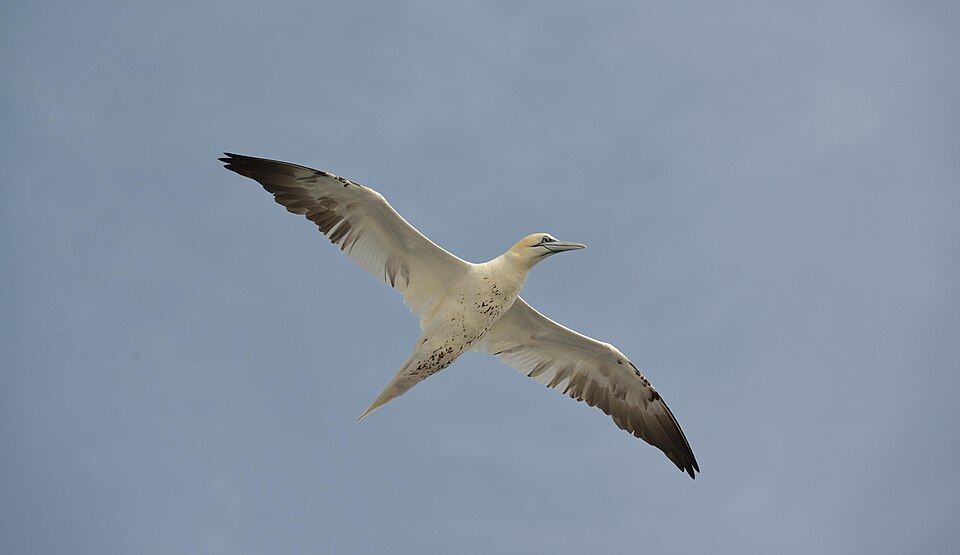 Sula
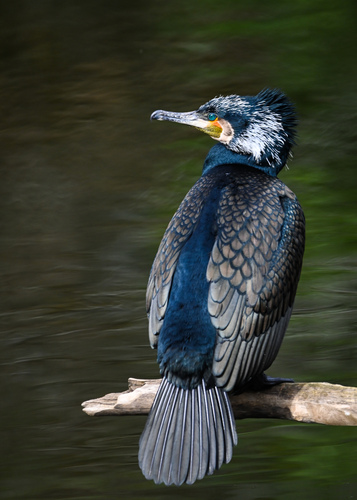 Cormorano
In breve
Il segno distintivo più affidabile tra Sula e Cormorano è il colore generale: le sule adulte sono straordinariamente bianche con punte nere alle ali, mentre i cormorani sono per lo più neri con una leggera lucentezza iridescente. Per gli uccelli immaturi in volo, nota che le sule juvenile sono marroni scure e diventano gradualmente bianche nel corso di diversi anni, mentre i cormorani juvenile hanno parti inferiori chiare ma non si avvicinano mai all'aspetto bianco delle sule adulte. Strutturalmente, le sule sono più robuste con ali più lunghe e strette e un becco appuntito di colore blu-grigio, mentre i cormorani hanno un becco più corto e ricurvo e un corpo più pesante e compatto. Nelle viste da posato, le sule mostrano una testa chiara con una sfumatura color crema (soprattutto in stagione di riproduzione), mentre i cormorani sono sempre scuri con una macchia gialla o rossa sulla gola.
Consigli di identificazione
- Colore generale negli adulti: Sula è quasi interamente bianca con punte nere alle ali e alla coda, mentre Cormorano è nero con una lucentezza metallica. Questo è il controllo più veloce a distanza in buona luce.
- Piumaggio juvenile/immaturo: Le sule giovani sono marroni scure e macchiate, diventando più bianche nel corso degli anni; i giovani cormorani hanno parti inferiori chiare ma non diventano mai bianchi nel complesso. Se vedi un grande uccello marino per lo più bianco con punte nere alle ali, non è un cormorano di alcuna età.
- Forma e colore del becco: Il becco della sula è lungo, appuntito e blu-grigio con pelle nera attorno alla base; il becco del cormorano è più corto, più spesso e ricurvo, con pelle gular gialla o rossa alla base. Questo è meglio visibile a distanza moderata o quando è posato.
- Testa e motivo facciale: Le sule adulte hanno una testa chiara con una sfumatura color crema (soprattutto in stagione di riproduzione), e pelle nera attorno agli occhi e al becco; i cormorani hanno una testa scura con una macchia gialla o rossa sulla gola e mancano di qualsiasi colorazione chiara o color crema.
- Colore e forma della coda: La coda della sula è completamente bianca negli adulti, mentre quella del cormorano è lunga, nera e a forma di cuneo (14 penne). Questo è visibile in volo o quando è posato con la coda aperta.
- Motivo delle ali in volo: Le sule adulte mostrano ali bianche pulite con primarie e punte nere; le ali dei cormorani sono uniformemente scure con una lucentezza bronzo o verdognola, mancando di pannelli bianchi o contrasti netti.
- Struttura del corpo e postura: Le sule hanno un collo più lungo, sono più aerodinamiche e hanno ali più lunghe e strette; i cormorani sono più robusti, con un collo più corto e una corporatura più pesante. In volo, le sule planano e scivolano di più, mentre i cormorani hanno battiti d'ali più costanti e lenti.
- Comportamento da posato: I cormorani spesso si posano eretti con le ali aperte per asciugarsi; le sule raramente fanno questo e sono più spesso viste su scogliere o in volo.
- Contesto dell'habitat: Le sule sono quasi sempre in mare o su scogliere offshore; i cormorani sono comuni in laghi interni, fiumi e persino corpi idrici urbani.
- Segni della stagione di riproduzione: I cormorani possono mostrare macchie bianche sulle cosce e sulla testa in stagione di riproduzione, ma queste sono limitate rispetto al piumaggio bianco e color crema complessivo della sula.
- Colore degli occhi: I cormorani adulti hanno occhi di un profondo verde mare; gli occhi delle sule sono blu chiaro, ma questo è raramente visibile a distanza.
- Stile di volo: Le sule planano con ali lunghe e rigide e fanno tuffi; i cormorani volano con battiti d'ali più lenti e profondi e tuffano dalla superficie dell'acqua.
- Vocalizzazione: Non è un segno distintivo forte; entrambi sono per lo più silenziosi lontano dalle colonie.
- Impressione di dimensioni: Le sule sono più grandi e hanno ali più lunghe (media 2999g contro 2200g), ma la dimensione da sola non è affidabile senza un confronto diretto.
- Trappole: In scarsa luce, una sula juvenile può apparire scura e può essere confusa con un cormorano, ma cerca le ali più lunghe della sula, il becco appuntito e l'assenza di macchia gialla sulla gola. I cormorani non mostrano mai il piumaggio bianco adulto della sula o la testa color crema.
Taglia
Sula è la più grande delle due, con una massa corporea media adulta di circa 2999g rispetto ai 2200g del Cormorano [wikidata]. Le sule hanno anche un'apertura alare più lunga (170–180 cm) e un corpo e un collo più allungati e aerodinamici. I cormorani sono comunque grandi uccelli ma appaiono più pesanti e compatti, con un collo e una coda più corti rispetto alla loro dimensione corporea. In confronto diretto, una sula apparirà con ali più lunghe e più aggraziate, mentre un cormorano appare più robusto e meno elegante in volo o a riposo.
Piumaggio
Le sule juvenile e immature sono per lo più grigio-marroni, diventando gradualmente bianche nel corso di cinque anni; le loro ali e il corpo sono macchiati, mancando dell'iridescenza dei cormorani. Le sule adulte sono quasi completamente bianche con punte nere alle ali e una coda completamente bianca, e in stagione di riproduzione, la testa e il nape mostrano una sfumatura color crema. I Cormorani, al contrario, sono neri a tutte le età, con gli adulti che mostrano iridescenza bronzo-verdognola sulle ali e viola sul corpo. I cormorani juvenile hanno parti inferiori chiare o bianche ma mantengono parti superiori scure e non diventano mai completamente bianchi. In stagione di riproduzione, i cormorani mostrano macchie bianche di filopiuma su cosce e testa, ma queste sono molto meno estese rispetto all'aspetto bianco complessivo della sula. La coda del cormorano è lunga e nera (14 penne), mentre quella della sula è bianca negli adulti. Anche il colore del becco è un indizio: le sule hanno un becco appuntito blu-grigio con pelle facciale nera, mentre i cormorani hanno un becco scuro e ricurvo con una macchia gular gialla o rossa.
Comportamento
Le sule sono spesso viste planare con ali lunghe, rigide e strette e fare tuffi drammatici da un'altezza nel mare. Raramente si posano su strutture interne. I Cormorani sono più versatili, spesso visti posati eretti su rocce, pali o alberi con le ali aperte per asciugarsi. Il loro volo è più faticoso, con battiti d'ali più lenti e profondi e un profilo più pesante e basso. I cormorani tuffano dalla superficie dell'acqua piuttosto che dall'aria, e sono frequentemente visti nuotare bassi nell'acqua con solo la testa e il collo esposti.
Habitat
Le sule sono strettamente marine, nidificando e foraggiando lungo coste rocciose e isole offshore nell'Atlantico del Nord, raramente avventurandosi nell'entroterra. Nido in colonie dense su scogliere o isole isolate. I Cormorani hanno un raggio di habitat molto più ampio: nidificano e foraggiano su coste, fiumi, laghi e bacini, e sono comuni sia nell'entroterra che in mare in gran parte del Vecchio Mondo e dell'Atlantico del Nord America. I cormorani sono più propensi a essere visti su corpi idrici dolci e strutture create dall'uomo.