

Motmot

シロカツオドリ 対 キタオナガクロムクドリモドキ

Morus bassanus 対 Quiscalus major

シロカツオドリとキタオナガクロムクドリモドキのクイズ
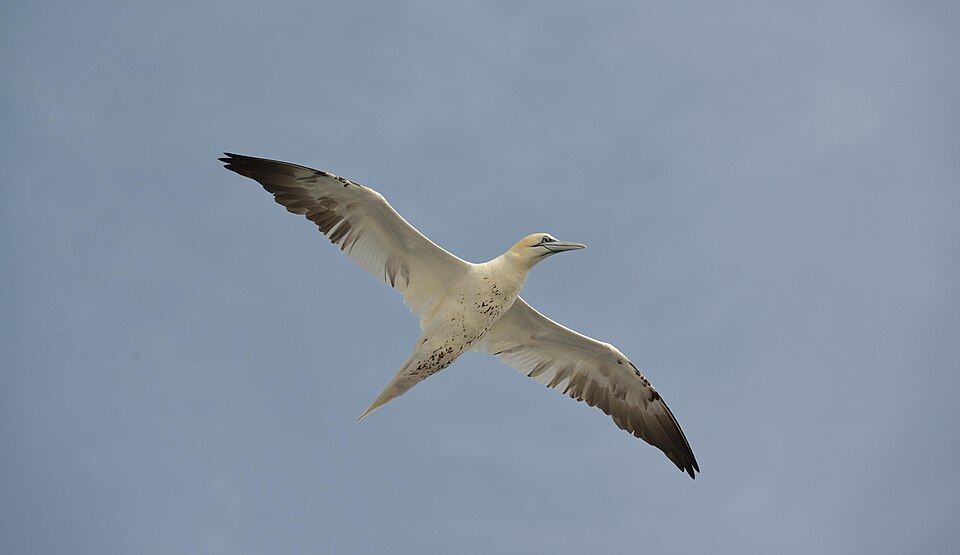
シロカツオドリ (Morus bassanus) シロカツオドリ
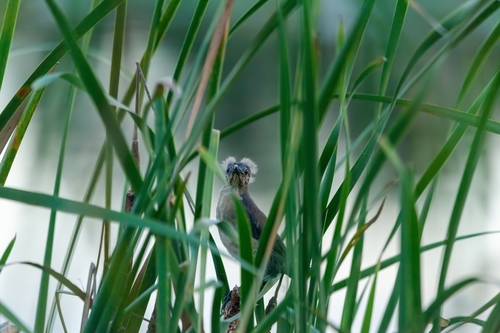
キタオナガクロムクドリモドキ (Quiscalus major) キタオナガクロムクドリモドキ

メディア

読み込み中…

要点

最も信頼できる区別はサイズです:シロカツオドリは巨大な海鳥で、キタオナガクロムクドリモドキの約20倍の重さがあり、長く尖ったくちばしと、黒い翼先を持つ真っ白な成鳥の羽毛を持っています。一方、キタオナガクロムクドリモドキはカラスサイズの歌鳥で、はるかに小さく、細長い体と長いキール状の尾を持っています。飛行中、幼鳥のシロカツオドリは暗くて bulky で、白と黒の対照的な翼模様を持っていますが、キタオナガクロムクドリモドキ(年齢に関係なく)は均一に暗いか茶色がかっており、翼に白を見せることはありません。カツオドリは開けた水域や沿岸のコロニーにしか見られず、グラッケルはアメリカ南東部の湿地や都市の鳥です。距離があっても、カツオドリのサイズ、形、飛行スタイルはグラッケルとは全く異なり、混同は視界が悪い条件や遠くの未熟なカツオドリの場合を除いては稀です。

識別のコツ

  1. サイズが最も早いチェック:シロカツオドリは巨大な海鳥で、どのグラッケルよりもはるかに大きいです。もし鳥がカラスサイズかそれ以下であれば、それはカツオドリではありません。
  2. 飛行スタイル:カツオドリは長く狭い翼で高く滑空し、深く力強い翼の羽ばたきでしばしば急降下します。グラッケルはよりひらひらとした直接的な飛行をし、長い尾を引きずります。
  3. くちばしの形:カツオドリは長く尖った青灰色のくちばしを持ち、黒い顔の皮膚があります。グラッケルははるかに短く、細長い全体が黒いくちばしを持っています。
  4. 尾の形:カツオドリの尾はまっすぐで成鳥は全白(幼鳥は暗い)で、長くキール状ではありません。グラッケルの尾は長く、しばしばボートの形を保ち、常に暗いです。
  5. 成鳥の羽毛:カツオドリの成鳥は白く、黒い翼先とバフがかった頭を持っています。グラッケルのオスは光沢のある黒、メスは茶色で、翼と尾は暗いです。
  6. 幼鳥/未熟な羽毛:未熟なカツオドリは暗く、翼と体に白い斑点があり、全白の尾を持っています。グラッケルの未熟な個体は鈍い茶色または黒っぽく、白い斑点はありません。
  7. 飛行中の翼模様:カツオドリ(すべての年齢)は翼に対照的な黒と白を示します。グラッケルは均一に暗いか茶色がかっており、白はありません。
  8. 生息地:カツオドリは海上または沿岸の崖でのみ見られ、グラッケルは湿地、湿地帯、都市部に見られ、海には決していません。
  9. 鳴き声:グラッケルは騒がしく、頻繁に鳴きます。カツオドリはコロニー以外では静かです。
  10. 虹彩の色:グラッケルの虹彩は地域によって異なります(淡いまたは暗い)。カツオドリは黒い皮膚に囲まれた暗い目を持っています。
  11. 頭の色:カツオドリの成鳥は繁殖期にバフがかった頭を持っています。グラッケルはバフや淡い色合いを示しません。
  12. 社会的文脈:カツオドリは大きく密集したコロニーで見られるか、他の海鳥と一緒に飛んでいます。グラッケルは湿地や都市で騒がしく、緩い群れで見られることが多いです。
  13. 採餌行動:カツオドリは高いところから海に飛び込んで魚を捕まえます。グラッケルは地面、浅い水、またはゴミ箱で採餌します。
  14. 性差:グラッケルはオスとメスの違いが顕著です(オスは黒、メスは茶色)。カツオドリは性別間で似ています。
  15. 分布:カツオドリは北大西洋に生息し、グラッケルはアメリカ南東部と中部大西洋の海岸に生息しています。範囲外の目撃は非常に稀です。

大きさ

シロカツオドリははるかに大きいです:成鳥は平均約2999g、長さは87〜100cm、翼幅は170〜180cmです。キタオナガクロムクドリモドキははるかに小さく、平均159g(オスは最大250g)、長さは37〜43cm、翼幅は39〜50cmです。フィールドでは、カツオドリはどのグラッケルよりも大きく、サイズ的にはアルバトロスや大型のカモメに近い印象を与えますが、グラッケルは典型的な黒鳥やムクドリよりもわずかに大きいだけです。このサイズの差は非常に極端で、距離があっても、二つの鳥が一緒に見られたり、スケールのために馴染みのある種と一緒に見られたりしても、簡単には混同されません。

羽色

幼鳥と未熟なシロカツオドリは主に灰褐色で、年齢とともに特に翼の下や体に広範な白い斑点が発展し、完全な成鳥の白い羽毛に達するまでに最大5年かかります。飛行中、若いカツオドリは翼に暗い色と白の対照的なコントラストを示し、全白の尾を持っていますが、これはどのグラッケルにも見られません。成鳥のカツオドリは白く、繁殖期にはバフがかった頭、黒い翼先、青灰色のくちばしを持っています。対照的に、キタオナガクロムクドリモドキは羽毛に白を示すことはありません:成鳥のオスは全体が光沢のある虹色の黒で、長い暗いくちばしと地域によって淡いまたは暗い目を持っています。メスは小さく、黄褐色の体と暗い翼と尾を持っています。未熟なグラッケルは成鳥の鈍いバージョンで、若いオスは強い虹色を欠き、未熟なメスは斑点のある胸を示します。どの年齢のグラッケルもカツオドリの白やバフの色合い、または未熟なカツオドリの鋭く対照的な翼模様を示しません。

行動

シロカツオドリは力強く直接的な飛行者で、しばしば海の高いところを滑空したり、大きな高さから水中に急降下して魚を捕まえたりするのが見られます。彼らは沖の崖に密集したコロニーで巣を作ります。キタオナガクロムクドリモドキは社会的で騒がしい湿地や都市の鳥で、しばしば地面を歩いたり、採餌したり、葦に止まったり、人間の環境でゴミを漁ったりしています。彼らの飛行はより労力を要し、直接的で、特徴的な長いキール状の尾を持ち、しばしばボートのような曲線を描いています。カツオドリは決して陸上や都市環境で採餌することはなく、グラッケルは海岸や湿地から遠くに出かけることは稀です。

生息環境

シロカツオドリは厳密に海洋性で、北大西洋の沖の海や沿岸の繁殖コロニーの崖や沖の島に見られます。内陸や湿地では決して見られません。キタオナガクロムクドリモドキは、アメリカ南東部と中部大西洋の海岸近くの塩水湿地、沿岸の湿地、都市部に生息し、しばしば駐車場、ゴミ箱、人間の居住地の近くで採餌します。二つの種は典型的な生息地で重なりません:海上で大きな白い海鳥を見ることは常にカツオドリであり、湿地や都市で黒または茶色がかった鳥を見ることは常にグラッケルです。

声

シロカツオドリは海上ではほとんど静かで、繁殖コロニーでのみ厳しい、喉の奥からの鳴き声を発します。キタオナガクロムクドリモドキは非常に声が大きく、厳しい、きしむような、音楽的な鳴き声や歌を幅広く発し、湿地や都市環境でよく聞かれます。彼らの騒がしい存在は同定の強い手がかりです。

より良い説明を送る

比較と同じ項目を使ってください。文章はすぐに公開されます。

The most reliable separation is size: Northern Gannet is a massive seabird, nearly 20 times heavier than the Boat-tailed Grackle, with a long, pointed bill and all-white adult plumage with black wingtips, while Boat-tailed Grackle is a crow-sized songbird with a much smaller, slender body and a long, keel-shaped tail. In flight, juvenile Northern Gannets are dark and bulky with contrasting white and black wing patterns, whereas Boat-tailed Grackles (of any age) are uniformly dark or brownish and never show white in the wings. Gannets are only found over open water or at coastal colonies, while grackles are marshland and urban birds of the southeastern US. Even at a distance, the gannet's size, shape, and flight style are utterly different from the grackle's, making confusion rare except in poor viewing conditions or with distant, immature gannets.

  1. Size is the quickest check: Northern Gannet is a huge seabird, vastly larger than any grackle; if the bird is crow-sized or smaller, it is not a gannet.
  2. Flight style: Gannets soar and glide on long, narrow wings with deep, powerful wingbeats and often plunge-dive; grackles have a more fluttery, direct flight with a long, trailing tail.
  3. Bill shape: Gannet has a long, pointed, blue-grey bill with black facial skin; grackle has a much shorter, slender, all-dark bill.
  4. Tail shape: Gannet's tail is straight and all-white (adults) or dark (juveniles), never long or keel-shaped; grackle's tail is long, often held in a boat shape, and always dark.
  5. Adult plumage: Gannet adults are white with black wingtips and a buff-tinged head; grackle males are glossy black, females are brown with darker wings and tail.
  6. Juvenile/immature plumage: Immature gannets are dark with white patches in the wings and body, all-white tail; grackle immatures are dull brown or blackish, never with white patches.
  7. Wing pattern in flight: Gannet (all ages) shows contrasting black and white in the wings; grackle is uniformly dark or brownish, with no white.
  8. Habitat: Gannet is only seen over ocean or at coastal cliffs; grackle is found in marshes, wetlands, and urban areas, never at sea.
  9. Vocalization: Grackles are noisy and call frequently; gannets are silent except at colonies.
  10. Iris color: Grackle iris varies (pale or dark depending on region); gannet has dark eyes surrounded by black skin.
  11. Head color: Gannet adults have a buff-tinged head in breeding season; grackles never show buff or pale tones.
  12. Social context: Gannets are seen in large, dense colonies or flying singly/with other seabirds; grackles are often in noisy, loose flocks in marshes or cities.
  13. Foraging behavior: Gannets dive from height into the sea; grackles forage on the ground, in shallow water, or in trash bins.
  14. Sexual dimorphism: Grackles show strong male/female differences (male black, female brown); gannets are similar between sexes.
  15. Range: Gannet is North Atlantic; grackle is southeastern and mid-Atlantic US coast. Out-of-range sightings are extremely rare.

Northern Gannet is vastly larger: adults average about 2999 g, with a length of 87–100 cm and a wingspan of 170–180 cm. Boat-tailed Grackle is much smaller, averaging 159 g (male up to 250 g), with a length of 37–43 cm and wingspan of 39–50 cm. In the field, a gannet dwarfs any grackle, appearing closer to an albatross or large gull in size, while a grackle is only slightly larger than a typical blackbird or starling. This size gap is so extreme that even at a distance, the two are not easily confused if seen together or with familiar species for scale.

Juvenile and immature Northern Gannets are mostly grey-brown with extensive white patches developing as they age, especially on the underwings and body, taking up to five years to reach full adult white plumage. In flight, young gannets show a striking contrast of dark and white in the wings and have an all-white tail, unlike any grackle. Adult gannets are white with a buff-tinged head (especially in breeding season), black wingtips, and a blue-grey bill. Boat-tailed Grackles, by contrast, never show white in the plumage: adult males are glossy iridescent black all over, with a long dark bill and pale or dark eyes depending on region; females are smaller, with a tawny-brown body and darker wings and tail. Immature grackles are duller versions of adults, with young males lacking strong iridescence and immature females showing blotched breasts. No age of grackle shows the white or buff tones of gannet, nor the sharply contrasting wing pattern of immature gannets.

Northern Gannets are powerful, direct fliers, often seen soaring high above the sea or plunging spectacularly into the water from great heights to catch fish. They nest in dense colonies on offshore cliffs. Boat-tailed Grackles are social, noisy birds of marshes and urban areas, often seen walking or foraging on the ground, perching on reeds, or scavenging in human environments. Their flight is more labored and direct, with a characteristic long, keel-shaped tail often held in a boat-like curve. Gannets are never seen foraging on land or in urban settings, while grackles rarely venture far from shore or marsh.

Northern Gannet is strictly marine, found over open ocean or at coastal breeding colonies on cliffs and offshore islands in the North Atlantic. It is never found inland or in marshes. Boat-tailed Grackle is a resident of saltwater marshes, coastal wetlands, and urban areas near the southeastern and mid-Atlantic US coast, often foraging in parking lots, trash bins, and near human habitation. The two species do not overlap in typical habitat: seeing a large white seabird over the ocean is always a gannet, while a black or brownish bird in a marsh or city is a grackle.

Northern Gannet is mostly silent at sea, with harsh, guttural calls only at breeding colonies. Boat-tailed Grackle is extremely vocal, producing a wide range of harsh, squeaky, and musical calls and songs, often heard in marshes and urban settings. Their noisy presence is a strong clue to identification.

変更を破棄しますか?

保存していない編集があります。今離れると失われます。

シロカツオドリ · キタオナガクロムクドリモドキ · 苦手な鳥