

Sula vs Boat-tailed Grackle
Morus bassanus contro Quiscalus major
Fai un quiz con Sula e Boat-tailed Grackle
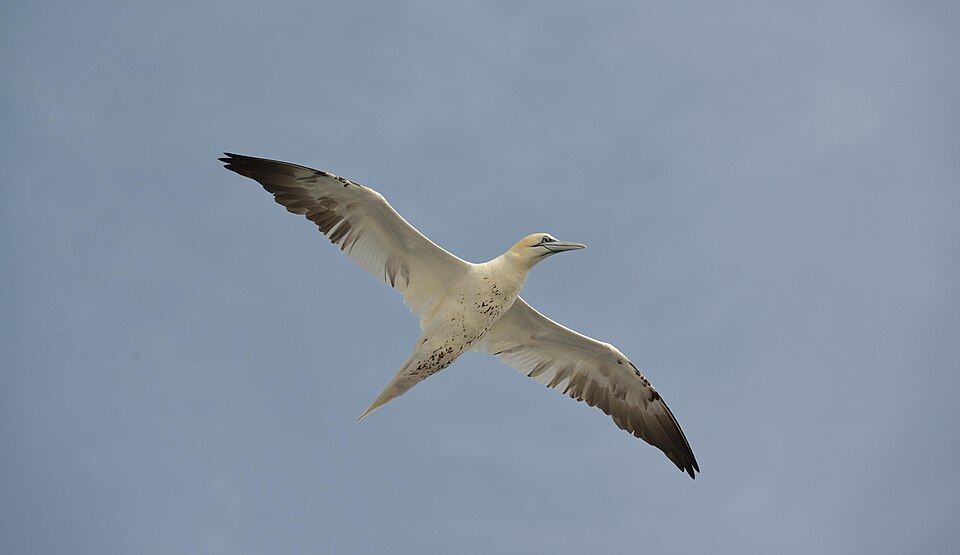 Sula
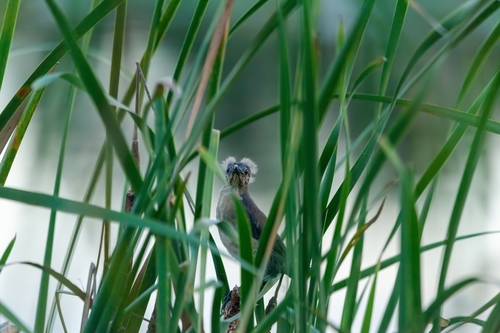 Boat-tailed Grackle
In breve
La separazione più affidabile è la dimensione: Sula è un grande uccello marino, quasi 20 volte più pesante del Boat-tailed Grackle, con un lungo becco appuntito e un piumaggio adulto completamente bianco con punte nere alle ali, mentre il Boat-tailed Grackle è un uccello canoro delle dimensioni di un corvo con un corpo molto più piccolo e snello e una lunga coda a forma di chiglia. In volo, i giovani Sula sono scuri e massicci con schemi di ali bianchi e neri a contrasto, mentre i Boat-tailed Grackles (di qualsiasi età) sono uniformemente scuri o brunastri e non mostrano mai bianco nelle ali. Le sule si trovano solo sopra acque aperte o in colonie costiere, mentre i grackles sono uccelli di paludi e urbani del sud-est degli Stati Uniti. Anche a distanza, la dimensione, la forma e lo stile di volo della sula sono completamente diversi da quelli del grackle, rendendo rara la confusione tranne in condizioni di scarsa visibilità o con sule immature distanti.
Consigli di identificazione
- La dimensione è il controllo più veloce: Sula è un enorme uccello marino, di gran lunga più grande di qualsiasi grackle; se l'uccello è delle dimensioni di un corvo o più piccolo, non è una sula.
- Stile di volo: Le sule planano e scivolano su ali lunghe e strette con battiti d'ali profondi e potenti e spesso si tuffano; i grackles hanno un volo più fluttuante e diretto con una lunga coda che segue.
- Forma del becco: La sula ha un lungo becco appuntito di colore blu-grigio con pelle facciale nera; il grackle ha un becco molto più corto, snello e completamente scuro.
- Forma della coda: La coda della sula è dritta e completamente bianca (adulti) o scura (giovani), mai lunga o a forma di chiglia; la coda del grackle è lunga, spesso tenuta a forma di barca, e sempre scura.
- Piumaggio adulto: Gli adulti della sula sono bianchi con punte nere alle ali e una testa con sfumature color crema; i maschi del grackle sono neri lucidi, le femmine sono brune con ali e coda più scure.
- Piumaggio giovanile/immaturo: Le sule immature sono scure con macchie bianche nelle ali e nel corpo, coda completamente bianca; i grackles immaturi sono di un marrone opaco o nerastro, mai con macchie bianche.
- Schema delle ali in volo: La sula (di tutte le età) mostra un contrasto di nero e bianco nelle ali; il grackle è uniformemente scuro o brunastri, senza bianco.
- Habitat: La sula si vede solo sopra l'oceano o su scogliere costiere; il grackle si trova in paludi, zone umide e aree urbane, mai in mare.
- Vocalizzazione: I grackles sono rumorosi e chiamano frequentemente; le sule sono silenziose tranne che nelle colonie.
- Colore dell'iride: L'iride del grackle varia (chiara o scura a seconda della regione); la sula ha occhi scuri circondati da pelle nera.
- Colore della testa: Gli adulti della sula hanno una testa con sfumature color crema durante la stagione di riproduzione; i grackles non mostrano mai toni color crema o chiari.
- Contesto sociale: Le sule si vedono in grandi colonie dense o volando singolarmente/con altri uccelli marini; i grackles sono spesso in stormi rumorosi e sciolti in paludi o città.
- Comportamento di foraggiamento: Le sule si tuffano da grande altezza nel mare; i grackles foraggiano a terra, in acque poco profonde o nei bidoni della spazzatura.
- Dimorfismo sessuale: I grackles mostrano forti differenze maschio/femmina (maschio nero, femmina bruna); le sule sono simili tra i sessi.
- Distribuzione: La sula è dell'Atlantico settentrionale; il grackle è della costa sud-est e centro-atlantica degli Stati Uniti. Gli avvistamenti fuori dalla gamma sono estremamente rari.
Taglia
Sula è di gran lunga più grande: gli adulti pesano in media circa 2999 g, con una lunghezza di 87–100 cm e un'apertura alare di 170–180 cm. Boat-tailed Grackle è molto più piccolo, con una media di 159 g (maschio fino a 250 g), con una lunghezza di 37–43 cm e un'apertura alare di 39–50 cm. Sul campo, una sula sovrasta qualsiasi grackle, apparendo più simile a un albatros o a un grande gabbiano in dimensioni, mentre un grackle è solo leggermente più grande di un tipico merlo o storno. Questo divario di dimensioni è così estremo che anche a distanza, i due non sono facilmente confusi se visti insieme o con specie familiari per scala.
Piumaggio
I giovani e gli immaturi Sula sono per lo più grigio-bruni con ampie macchie bianche che si sviluppano con l'età, specialmente sulle ali inferiori e sul corpo, impiegando fino a cinque anni per raggiungere il piumaggio bianco adulto completo. In volo, i giovani gannets mostrano un contrasto sorprendente di scuro e bianco nelle ali e hanno una coda completamente bianca, a differenza di qualsiasi grackle. Gli adulti delle sule sono bianchi con una testa con sfumature color crema (soprattutto durante la stagione di riproduzione), punte nere alle ali e un becco blu-grigio. I Boat-tailed Grackles, al contrario, non mostrano mai bianco nel piumaggio: i maschi adulti sono neri lucidi iridescenti ovunque, con un lungo becco scuro e occhi chiari o scuri a seconda della regione; le femmine sono più piccole, con un corpo marrone-tawny e ali e coda più scure. I grackles immaturi sono versioni più opache degli adulti, con i giovani maschi privi di forte iridescenza e le femmine immature che mostrano petti macchiati. Nessuna età di grackle mostra i toni bianchi o color crema della sula, né il modello di ali a forte contrasto delle sule immature.
Comportamento
Le sule sono potenti volatori diretti, spesso viste planare in alto sopra il mare o tuffarsi spettacolarmente nell'acqua da grandi altezze per catturare pesci. Nascosto in colonie dense su scogliere offshore. I Boat-tailed Grackles sono uccelli sociali e rumorosi di paludi e aree urbane, spesso visti camminare o foraggiare a terra, posarsi su canne o cercare cibo in ambienti umani. Il loro volo è più faticoso e diretto, con una caratteristica lunga coda a forma di chiglia spesso tenuta in una curva simile a una barca. Le sule non vengono mai viste foraggiare a terra o in ambienti urbani, mentre i grackles raramente si avventurano lontano dalla costa o dalla palude.
Habitat
Sula è strettamente marina, trovata sopra l'oceano aperto o in colonie di riproduzione costiere su scogliere e isole offshore nell'Atlantico settentrionale. Non si trova mai nell'entroterra o nelle paludi. Boat-tailed Grackle è un residente delle paludi salmastre, delle zone umide costiere e delle aree urbane vicino alla costa sud-est e centro-atlantica degli Stati Uniti, spesso foraggiando in parcheggi, bidoni della spazzatura e vicino a insediamenti umani. Le due specie non si sovrappongono nell'habitat tipico: vedere un grande uccello marino bianco sopra l'oceano è sempre una sula, mentre un uccello nero o bruno in una palude o in città è un grackle.
Voce
Sula è per lo più silenziosa in mare, con richiami aspri e gutturali solo nelle colonie di riproduzione. Boat-tailed Grackle è estremamente vocale, producendo una vasta gamma di richiami e canti aspri, striduli e musicali, spesso uditi in paludi e ambienti urbani. La loro presenza rumorosa è un forte indizio per l'identificazione.