

Motmot

コリンウズラ 対 カラフトライチョウ

Colinus virginianus 対 Lagopus lagopus

コリンウズラとカラフトライチョウのクイズ
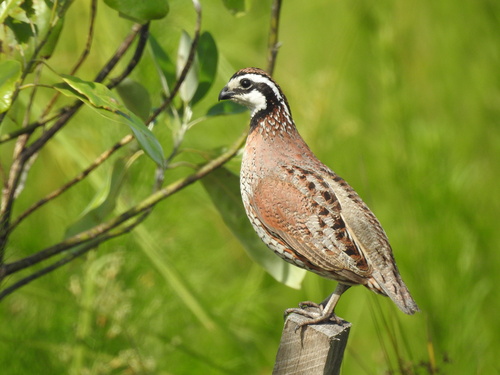
コリンウズラ (Colinus virginianus) コリンウズラ
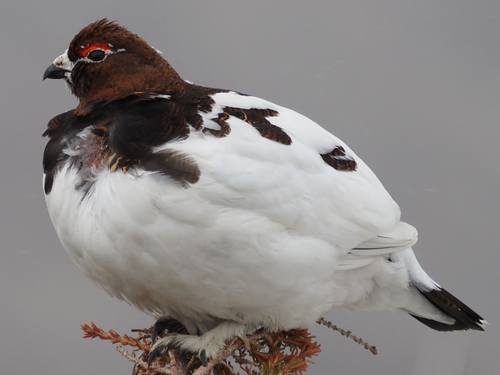
カラフトライチョウ (Lagopus lagopus) カラフトライチョウ

メディア

読み込み中…

要点

コリンウズラとカラフトライチョウを区別する最も信頼できる方法は、サイズと全体的な構造です:カラフトライチョウはほぼ4倍の重さで、はるかに大きく、深い胸部の体型と長い首を持っています。すべての羽色において、カラフトライチョウは目を引く季節的変化を示します—冬には黒い尾を除いて完全に白くなり、コリンウズラは年間を通じて赤褐色でまだらです。コリンウズラのオスは、喉と眉のストライプが鮮やかな白で、カラフトライチョウにはこれがありません。飛行中、カラフトライチョウはより大きく、重々しく見え、広い翼と長い翼幅を持っています。生息地も強力な手がかりです:コリンウズラは温帯地域の草原や開けた森を好むのに対し、カラフトライチョウは北方のツンドラや湿原に結びついています。

識別のコツ

  1. Size is the fastest separator: カラフトライチョウはほぼ4倍の重さで、コリンウズラよりもはるかに長いです。もしその鳥が鶏のサイズかそれ以上に見えるなら、それはコリンウズラではありません。
  2. Overall shape: カラフトライチョウは深い胸部、長い首、広い体を持っています;コリンウズラはコンパクトで、短い首と丸みを帯びています。
  3. Seasonal plumage change: カラフトライチョウだけが冬にほぼ完全に白くなります(黒い尾を除いて);コリンウズラは決してそうならず、年間を通じてまだらの赤褐色と灰色のままです。
  4. Male head pattern: コリンウズラのオスは、黒で縁取られた鋭い白い喉と眉のストライプを持ち、強い顔のパターンを作ります。カラフトライチョウにはこれがなく、夏には平凡な茶色、冬には白です。
  5. Tail color: カラフトライチョウは常に黒い尾を示します(冬でも、他の部分が白い時でも);コリンウズラは体と混ざる灰色の尾を持っています。
  6. Legs: カラフトライチョウはすべての季節において羽毛のある脚と足を持ち、寒冷気候への適応です。コリンウズラの脚は裸で羽毛がありません。
  7. Bill: カラフトライチョウはより厚く、広いくちばしを持っています;コリンウズラのくちばしは短く、曲がっていて、より繊細です。
  8. Eye combs: 繁殖期には、オスのカラフトライチョウは目の上に赤い肉質のトサカを示します;コリンウズラはこの特徴を示しません。
  9. Flight style: カラフトライチョウは重く、飛行中は遅く、広い翼と長い滑空を持っています。コリンウズラはカバーから急速に飛び出し、低く飛びます。
  10. Habitat: コリンウズラは温帯の草原、畑、開けた森に生息しています;カラフトライチョウは北方のツンドラ、湿原、または白樺の森に生息しています。生息地だけでもしばしば診断的です。
  11. Voice: 明瞭で上昇する「ボブ・ホワイト」という笛の音はコリンウズラに特有です。カラフトライチョウはクークー音やコッコ音を出し、笛の音は出しません。
  12. Sexual dimorphism: コリンウズラは性差があり(オスは白い顔)、カラフトライチョウは特に冬において性別が似ています。
  13. Plumage in immatures: 両種の幼鳥は成鳥に似ています;どちらの種にも特有の幼鳥の翼のパターンは記載されていないため、若い鳥にはサイズと構造を使用してください。
  14. Context: もしアメリカの東部や中西部の農場や草原で群れを見たら、それはほぼ確実にコリンウズラです。北方のツンドラや湿原にいる場合は、カラフトライチョウです。
  15. Pitfalls: 稀に、飼育されたり導入された鳥が範囲外に現れることがありますが、サイズと羽色の違いは明確なままです。

大きさ

カラフトライチョウは劇的に大きいです:成鳥は平均約650gで、コリンウズラはわずか171gです [wikidata]。カラフトライチョウは35〜44cmの長さで、翼幅は60〜65cmですが、コリンウズラはわずか24〜28cmの長さで、翼幅は33〜38cmです [wikipedia]。野外では、カラフトライチョウははるかに大きく見え、深い胸部、長い首、広く丸い体を持っています。コリンウズラはコンパクトで丸みを帯びており、短い首と尾を持ち、明らかに小さく、より繊細な体格です。

羽色

行動

両種は地上に生息していますが、カラフトライチョウは繁殖期以外にしばしば大きな群れを形成し、開けたツンドラや湿原で見られる可能性が高く、冬には低い標高に短距離移動することがあります。コリンウズラは通常、小さな群れで見られ、草や茂みの中を移動し、開けた無木の風景で見られる可能性は低いです。飛行中、カラフトライチョウは重く、遅く、広く丸い翼と長い滑空を持ち、コリンウズラは迅速に低く地面を飛び出します。

生息環境

コリンウズラは東部および中部北アメリカの温帯農業地、草原、開けた森林、そしてその周辺に生息する種です。カラフトライチョウは厳密に北方に生息し、アラスカ、カナダ、北ユーラシアの白樺の森、湿原、特にツンドラに見られます。コリンウズラはツンドラや樹木の上には決して見られず、カラフトライチョウはコリンウズラが好む低地の農業地や森林生息地を避けます。もしアメリカ南東部や中西部の開けた草原や農地にいるなら、それはほぼ確実にコリンウズラです;北方のツンドラや湿原にいるなら、それはカラフトライチョウです。

声

コリンウズラは独特で明瞭な上昇する笛の音を持っています:「ボブ・ホワイト」または「ボブ・ボブ・ホワイト」で、遅く、広く間隔を空けた音節が音程を上げます。カラフトライチョウはそれに似たものを出さず、呼び声はより喉の奥からの音、クークー音やコッコ音で、コリンウズラの音楽的で笛のような質は欠けています。もし「コリンウズラ」の呼び声を聞いたら、それはColinus virginianusを聞いていることになります。

より良い説明を送る

比較と同じ項目を使ってください。文章はすぐに公開されます。

The most reliable way to separate Northern Bobwhite from Willow Ptarmigan is by size and overall structure: Willow Ptarmigan is nearly four times heavier, with a much bulkier, deep-chested build and a longer neck. In all plumages, Willow Ptarmigan shows a striking seasonal change—entirely white in winter except for a black tail, while Northern Bobwhite remains rufous and mottled year-round. Bobwhite males have a crisp white throat and brow stripe, lacking in ptarmigan. In flight, Willow Ptarmigan appears larger and more ponderous, with broad wings and a longer wingspan. Habitat is also a strong clue: Bobwhite favors grasslands and open woods in temperate regions, while Willow Ptarmigan is tied to northern tundra and moorland.

  1. Size is the fastest separator: Willow Ptarmigan is nearly four times heavier and much longer than Northern Bobwhite. If the bird looks chicken-sized or larger, it is not a bobwhite.
  2. Overall shape: Willow Ptarmigan is deep-chested, long-necked, and broad-bodied; bobwhite is compact, short-necked, and rounded.
  3. Seasonal plumage change: Only Willow Ptarmigan turns almost entirely white in winter (except for the black tail); bobwhite never does, remaining mottled rufous and gray year-round.
  4. Male head pattern: Northern Bobwhite males have a sharp white throat and brow stripe bordered by black, creating a strong face pattern. Willow Ptarmigan lacks this; its head is plain brown in summer, white in winter.
  5. Tail color: Willow Ptarmigan always shows a black tail (even in winter, when the rest of the bird is white); bobwhite has a gray tail that blends with the body.
  6. Legs: Willow Ptarmigan has heavily feathered legs and feet in all seasons, an adaptation to cold climates. Bobwhite legs are bare and unfeathered.
  7. Bill: Willow Ptarmigan has a thicker, broader bill; bobwhite's bill is short, curved, and more delicate.
  8. Eye combs: In breeding season, male Willow Ptarmigan show red, fleshy combs above the eyes; bobwhite never shows this feature.
  9. Flight style: Willow Ptarmigan is heavy and slow in flight, with broad wings and a longer glide. Bobwhite explodes from cover with rapid wingbeats and flies low.
  10. Habitat: Bobwhite is found in temperate grasslands, fields, and open woods; Willow Ptarmigan is in northern tundra, moorland, or birch forest. Habitat alone is often diagnostic.
  11. Voice: The clear, rising "bob-WHITE" whistle is unique to Northern Bobwhite. Willow Ptarmigan produces croaks and clucks, not whistles.
  12. Sexual dimorphism: Bobwhite is sexually dimorphic (males with white face), while Willow Ptarmigan sexes are similar, especially in winter.
  13. Plumage in immatures: Both species' juveniles resemble adults; no unique immature wing pattern is noted for either, so use size and structure for young birds.
  14. Context: If you see a covey in a farm field or grassland in the U.S. east or Midwest, it's almost certainly bobwhite. If in northern tundra or moor, it's ptarmigan.
  15. Pitfalls: In rare cases, captive or introduced birds may appear out of range, but the size and plumage differences remain clear.

Willow Ptarmigan is dramatically larger: adults average about 650 g, compared to just 171 g for Northern Bobwhite [wikidata]. Ptarmigan are 35–44 cm long with a 60–65 cm wingspan, while bobwhite are only 24–28 cm long with a 33–38 cm wingspan [wikipedia]. In the field, Willow Ptarmigan looks much bulkier, with a deep chest, long neck, and a broad, rounded body. Bobwhite is compact and rounded, with a short neck and tail, and a noticeably smaller, more delicate frame.

  • Juvenile/immature wing pattern: No specific age-related upperwing marks are described for either species; both resemble adults in structure and flight, so age is not a primary separator here [wikipedia].
  • Adult and seasonal plumage: Northern Bobwhite is rufous with gray mottling, white scalloped flanks, and a gray tail year-round. Males have a bold white throat and brow stripe bordered by black. Willow Ptarmigan, in summer, is marbled brown with a reddish neck and breast, black tail, and white wings and underparts; females are similar but duller. In winter, Willow Ptarmigan becomes almost entirely white except for the black tail, a transformation never seen in bobwhite. Willow Ptarmigan males have red eye combs in breeding season, absent in bobwhite. Both sexes of ptarmigan have feathered legs, unlike bobwhite.

Both species are ground-dwelling, but Willow Ptarmigan often forms larger flocks outside the breeding season, and is more likely to be seen in open tundra or moorland, sometimes migrating short distances to lower elevations in winter. Northern Bobwhite is typically found in small coveys, moving through grass or brush, and is less likely to be seen in open, treeless landscapes. In flight, Willow Ptarmigan is heavier and slower, with broad, rounded wings and a longer glide, while bobwhite is quick and bursts away low to the ground with rapid wingbeats.

Northern Bobwhite is a species of temperate agricultural fields, grasslands, open woodlands, and edges in eastern and central North America. Willow Ptarmigan is strictly northern, found in birch forests, moorlands, and especially tundra across Alaska, Canada, and northern Eurasia. Bobwhite is never found in tundra or above the treeline, while Willow Ptarmigan avoids the lowland agricultural and woodland habitats favored by bobwhite. If you are in open grassland or farmland in the U.S. southeast or Midwest, it is almost certainly a bobwhite; if you are in northern tundra or moor, it is a ptarmigan.

Northern Bobwhite has a distinctive, clear, rising whistle: "bob-WHITE" or "bob-bob-WHITE," with slow, widely spaced syllables rising in pitch. Willow Ptarmigan does not produce anything similar; its calls are more guttural, croaking, or clucking, lacking the musical, whistled quality of bobwhite. If you hear the classic "bobwhite" call, you are hearing Colinus virginianus.

変更を破棄しますか?

保存していない編集があります。今離れると失われます。

コリンウズラ · カラフトライチョウ · 苦手な鳥