

Colino della Virginia vs Willow Ptarmigan
Colinus virginianus contro Lagopus lagopus
Fai un quiz con Colino della Virginia e Willow Ptarmigan
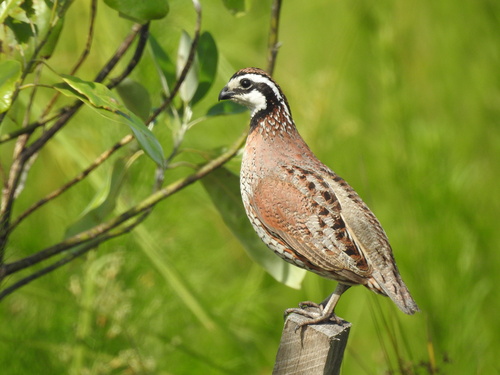 Colino della Virginia
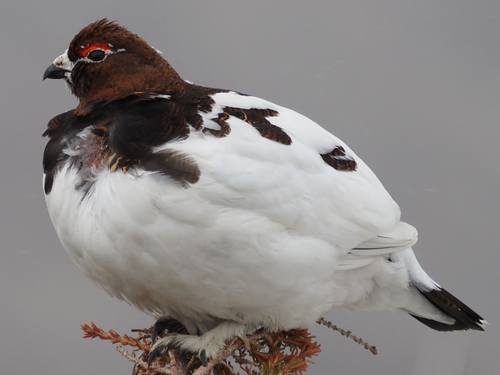 Willow Ptarmigan
In breve
Il modo più affidabile per separare il Colino della Virginia dal Willow Ptarmigan è per dimensione e struttura generale: il Willow Ptarmigan è quasi quattro volte più pesante, con una corporatura molto più robusta, torace profondo e un collo più lungo. In tutte le livree, il Willow Ptarmigan mostra un cambiamento stagionale sorprendente: completamente bianco in inverno tranne che per una coda nera, mentre il Colino della Virginia rimane rugginoso e maculato tutto l'anno. I maschi del Colino della Virginia hanno una gola e una striscia sopra il sopracciglio bianche e nette, assenti nel ptarmigan. In volo, il Willow Ptarmigan appare più grande e più pesante, con ali larghe e un'apertura alare più lunga. L'habitat è anche un forte indizio: il Colino della Virginia predilige praterie e boschi aperti nelle regioni temperate, mentre il Willow Ptarmigan è legato alla tundra settentrionale e alle brughiere.
Consigli di identificazione
- La dimensione è il separatore più veloce: Il Willow Ptarmigan è quasi quattro volte più pesante e molto più lungo del Colino della Virginia. Se l'uccello sembra delle dimensioni di un pollo o più grande, non è un bobwhite.
- Forma generale: Il Willow Ptarmigan ha un torace profondo, collo lungo e corpo largo; il bobwhite è compatto, con collo corto e arrotondato.
- Cambiamento della livrea stagionale: Solo il Willow Ptarmigan diventa quasi completamente bianco in inverno (tranne che per la coda nera); il bobwhite non lo fa mai, rimanendo maculato rugginoso e grigio tutto l'anno.
- Schema della testa maschile: I maschi del Colino della Virginia hanno una gola e una striscia sopra il sopracciglio bianche e nette, bordate di nero, creando un forte schema facciale. Il Willow Ptarmigan non ha questo; la sua testa è marrone uniforme in estate, bianca in inverno.
- Colore della coda: Il Willow Ptarmigan mostra sempre una coda nera (anche in inverno, quando il resto dell'uccello è bianco); il bobwhite ha una coda grigia che si fonde con il corpo.
- Zampe: Il Willow Ptarmigan ha zampe e piedi pesantemente piumati in tutte le stagioni, un adattamento ai climi freddi. Le zampe del bobwhite sono nude e non piumate.
- Becco: Il Willow Ptarmigan ha un becco più spesso e più largo; il becco del bobwhite è corto, curvo e più delicato.
- Pettini oculari: Durante la stagione di riproduzione, i maschi del Willow Ptarmigan mostrano pettini rossi e carnosi sopra gli occhi; il bobwhite non mostra mai questa caratteristica.
- Stile di volo: Il Willow Ptarmigan è pesante e lento in volo, con ali larghe e un volo più lungo. Il bobwhite esplode dalla copertura con rapidi battiti d'ali e vola basso.
- Habitat: Il bobwhite si trova in praterie temperate, campi e boschi aperti; il Willow Ptarmigan si trova nella tundra settentrionale, nella brughiera o nella foresta di betulle. L'habitat da solo è spesso diagnostico.
- Voce: Il chiaro e crescente fischio "bob-WHITE" è unico per il Colino della Virginia. Il Willow Ptarmigan produce grida e clacson, non fischi.
- Dimorfismo sessuale: Il bobwhite è dimorfico sessualmente (maschi con faccia bianca), mentre i sessi del Willow Ptarmigan sono simili, specialmente in inverno.
- Livrea negli immaturi: I giovani di entrambe le specie assomigliano agli adulti; non è stato notato alcun schema di ali immaturo unico per nessuna delle due, quindi usa dimensione e struttura per i giovani uccelli.
- Contesto: Se vedi un covey in un campo agricolo o in una prateria nell'est o nel Midwest degli Stati Uniti, è quasi certamente un bobwhite. Se nella tundra settentrionale o nella brughiera, è un ptarmigan.
- Trappole: In rari casi, uccelli in cattività o introdotti possono apparire al di fuori dell'area, ma le differenze di dimensione e livrea rimangono chiare.
Taglia
Il Willow Ptarmigan è notevolmente più grande: gli adulti pesano in media circa 650 g, rispetto ai soli 171 g del Colino della Virginia [wikidata]. I ptarmigan sono lunghi 35–44 cm con un'apertura alare di 60–65 cm, mentre i bobwhite sono lunghi solo 24–28 cm con un'apertura alare di 33–38 cm [wikipedia]. Sul campo, il Willow Ptarmigan appare molto più robusto, con un torace profondo, collo lungo e un corpo largo e arrotondato. Il bobwhite è compatto e arrotondato, con un collo e una coda corti, e una struttura visibilmente più piccola e delicata.
Piumaggio
- Schema delle ali giovanili/immaturi: Non sono descritti segni specifici delle ali superiori legati all'età per nessuna delle due specie; entrambe assomigliano agli adulti nella struttura e nel volo, quindi l'età non è un separatore primario qui [wikipedia].
- Livrea adulta e stagionale: Il Colino della Virginia è rugginoso con maculature grigie, fianchi bianchi a scallop e una coda grigia tutto l'anno. I maschi hanno una gola bianca audace e una striscia sopra il sopracciglio bordata di nero. Il Willow Ptarmigan, in estate, è marrone marmorizzato con un collo e un petto rossastri, coda nera e ali e parti inferiori bianche; le femmine sono simili ma più opache. In inverno, il Willow Ptarmigan diventa quasi completamente bianco tranne che per la coda nera, una trasformazione mai vista nel bobwhite. I maschi del Willow Ptarmigan hanno pettini oculari rossi durante la stagione di riproduzione, assenti nel bobwhite. Entrambi i sessi di ptarmigan hanno zampe piumate, a differenza del bobwhite.
Comportamento
Entrambe le specie sono terrestri, ma il Willow Ptarmigan forma spesso gruppi più grandi al di fuori della stagione di riproduzione ed è più probabile che venga visto in tundra aperta o brughiera, a volte migrando per brevi distanze verso altitudini più basse in inverno. Il Colino della Virginia si trova tipicamente in piccoli covey, muovendosi attraverso l'erba o i cespugli, ed è meno probabile che venga visto in paesaggi aperti e privi di alberi. In volo, il Willow Ptarmigan è più pesante e più lento, con ali larghe e arrotondate e un volo più lungo, mentre il bobwhite è veloce e scatta via basso a terra con rapidi battiti d'ali.
Habitat
Il Colino della Virginia è una specie di campi agricoli temperati, praterie, boschi aperti e margini nell'est e nel centro del Nord America. Il Willow Ptarmigan è strettamente settentrionale, trovato in foreste di betulle, brughiere e soprattutto tundra in Alaska, Canada e nell'Eurasia settentrionale. Il bobwhite non si trova mai nella tundra o sopra la linea degli alberi, mentre il Willow Ptarmigan evita gli habitat agricoli e forestali di pianura favoriti dal bobwhite. Se ti trovi in una prateria aperta o in un terreno agricolo nel sud-est o nel Midwest degli Stati Uniti, è quasi certamente un bobwhite; se ti trovi nella tundra settentrionale o nella brughiera, è un ptarmigan.
Voce
Il Colino della Virginia ha un fischio distintivo, chiaro e crescente: "bob-WHITE" o "bob-bob-WHITE," con sillabe lente e ampiamente distanziate che aumentano di tono. Il Willow Ptarmigan non produce nulla di simile; le sue chiamate sono più gutturali, croccanti o cluck, prive della qualità musicale e fischiata del bobwhite. Se senti il classico richiamo "bobwhite", stai ascoltando Colinus virginianus.
Colino della Virginia · Willow Ptarmigan · I miei uccelli difficili