

Motmot

キタニュージーラドコマヒタキ 対 ミナミニュージーランドコマヒタキ

Petroica longipes 対 Petroica australis

キタニュージーラドコマヒタキとミナミニュージーランドコマヒタキのクイズ
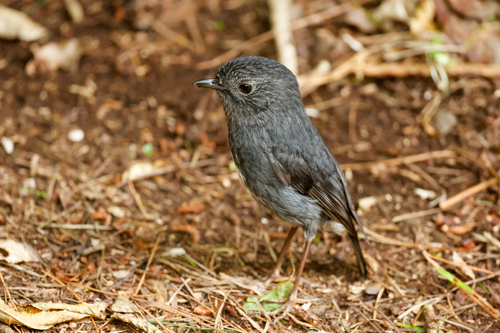
キタニュージーラドコマヒタキ (Petroica longipes) キタニュージーラドコマヒタキ
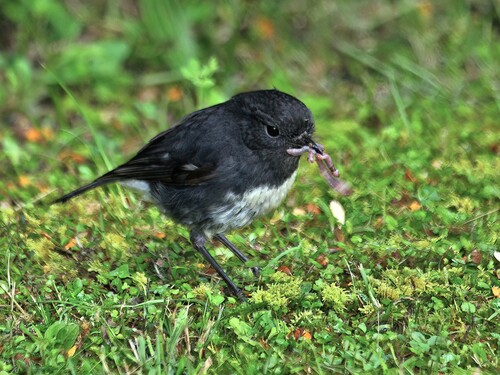
ミナミニュージーランドコマヒタキ (Petroica australis) ミナミニュージーランドコマヒタキ

メディア

読み込み中…

要点

キタニュージーラドコマヒタキとミナミニュージーランドコマヒタキの最も信頼できるフィールドマークは、下胸部の淡い斑点の大きさと色です:ミナミニュージーランドコマヒタキ(特に成鳥のオス)は、より大きく、黄白色の斑点を示し、キタニュージーラドコマヒタキのものは小さく、より淡いです。成鳥のオスのキタニュージーラドコマヒタキは、上面がほぼ黒で、くちばしの基部に小さな白い斑点がありますが、ミナミニュージーランドコマヒタキのオスは、より目立つ淡い下胸部を持つ暗灰色です。両種の雌と幼鳥は非常に似ており、灰色で淡い胸部斑点が変動するため、フィールドでの識別が難しくなります。構造的な違いは微妙で、両種はサイズと形が似ているため、胸部斑点の大きさと色、全体的な暗さの微妙な違いに注意を払うことが重要です。幼鳥と雌の羽毛は大きな落とし穴であり、かなり重なります。

識別のコツ

  1. 胸部斑点の大きさと色(成鳥): 最も信頼できるフィールドマークは、下胸部の淡い斑点の大きさと色です。ミナミニュージーランドコマヒタキのオスは、より大きく、黄白色の斑点を持ち、キタニュージーラドコマヒタキのものは小さく、より淡いです。これは、良い光の中で止まっている鳥で最もよく見られます。
  2. 全体的な暗さ(成鳥のオス): キタニュージーラドコマヒタキのオスは、上面がほぼ黒で、ミナミニュージーランドコマヒタキのオスの暗灰色と対照的です。この違いは微妙ですが、直接比較に役立つことがあります。
  3. くちばしの基部の白い斑点: キタニュージーラドコマヒタキは、くちばしの基部に小さな白い斑点を示すことが多く、相互作用中に見せることがあります。ミナミニュージーランドコマヒタキもこれを示すことがありますが、目立ちません。
  4. 上面の淡い縞模様: キタニュージーラドコマヒタキは、上面に淡い縞模様を示すことがありますが、ミナミニュージーランドコマヒタキではあまり目立たないか、存在しません。これは微妙で、近距離で見るのが最適です。
  5. 幼鳥と雌の落とし穴: 両種の幼鳥と雌は非常に似ており、灰色で淡い胸部斑点が変動します。新たに独立したミナミニュージーランドの幼鳥は、淡い斑点が欠けていることがありますが、これは常に信頼できるわけではありません。これらの年齢では胸部斑点だけに頼らないでください。
  6. 性差: 両種のオスはより暗く、わずかに大きいですが、これでは二つを分けるのには役立ちません。
  7. サイズ: 両種はサイズと構造が似ているため、サイズを分けるために使用しないでください。
  8. 飛行と翼のパターン: どの年齢でも特有の上翼や飛行パターンの違いは記載されていません。分けるために翼のパターンを使用しないでください。
  9. 生息地と範囲: 自分の位置が確実である場合にのみ範囲を使用してください—キタニュージーラドコマヒタキは北島にのみ生息し、ミナミニュージーランドコマヒタキは南島とスチュワート島にのみ生息します。移植された個体群はこれを複雑にする可能性があります。
  10. 行動: 両種は似たように行動します。分けるために行動を使用しないでください。
  11. 声: 歌や鳴き声はフィールドで信頼できる違いとして記載されていません。
  12. 文脈的手がかり: ペアを観察している場合、両種のオスはより暗く、より明確な胸部斑点を持っていることに注意してくださいが、斑点の大きさと色が最良のマークであることは変わりません。
  13. 混合群れ: 両種が存在する場合(例:管理された保護区で)、成鳥のオスの胸部斑点の大きさ/色と全体的な暗さに頼ってください。
  14. 照明条件: 暗さや胸部斑点の色の微妙な違いは、悪い光の中で失われる可能性があります。近くでよく照らされた視界を優先してください。
  15. 疑問がある場合: 雌または幼鳥に直面した場合、範囲情報や遺伝子分析なしではフィールドでの分離が不可能であることを認識してください。

大きさ

両種はスズメサイズで、全体的な比率が非常に似ています。ミナミニュージーランドコマヒタキは、長さが10〜18 cm、体重が約35 gと記載されており、これは両種に代表的です。オスは両種で雌よりわずかに大きいですが、これは分けるための信頼できるフィールドマークではありません。フィールドでのキタニュージーラドコマヒタキとミナミニュージーランドコマヒタキの間に意味のあるサイズの違いは記載されていません。

羽色

行動

両種は地面で餌を探す昆虫食性で、しばしば森の床を跳ねたり走ったりし、低い枝に直立して止まっているのが見られます。オスは繁殖期に特に領土的で目立つことがあります。フィールドでの分離に関しては強い行動の違いは記載されていません。両性は食べ物を隠すことがあり、似たような採餌戦略を示しますが、オスが食物源で雌を支配することがあります。

生息環境

生息地は、あなたの位置が確実でない限り、フィールドでの信頼できる分離要因ではありません:キタニュージーラドコマヒタキは北島に特有で、ミナミニュージーランドコマヒタキは南島とスチュワート島にのみ見られます。両種は在来の森林生息地を好み、しばしば似たような生態的ニッチに見られます。もしあなたが一種の知られた範囲内にいるなら、これは役立ちますが、移植されたまたは管理された個体群では範囲の重なりが発生する可能性があります。

声

鳴き声は、これら二つの種の間で診断的と記載されていません。両種は大きく、明瞭な歌や鳴き声を出し、オスは繁殖期により多く歌います。ミナミニュージーランドコマヒタキのオスは長く、連続した歌で知られていますが、これは種特有とは記載されていません。

より良い説明を送る

比較と同じ項目を使ってください。文章はすぐに公開されます。

The most reliable field mark between North Island Robin and South Island Robin is the extent and color of the pale patch on the lower breast: South Island Robin (especially adult males) shows a larger, more yellowish-white patch, while North Island Robin's is smaller and paler. Adult male North Island Robins are nearly black above with a small white spot at the base of the bill, whereas South Island males are dark grey with a more prominent pale lower chest. Females and juveniles of both species are much more similar, being greyer and with variable pale breast patches, making separation difficult in the field. Structural differences are subtle, and both species are similar in size and shape, so careful attention to breast patch size and color, and subtle differences in overall darkness, are key. Juvenile and female plumages are a major pitfall, as they overlap considerably.

  1. Breast Patch Size and Color (Adults): The most reliable field mark is the size and color of the pale patch on the lower breast. South Island Robin males have a larger, yellowish-white patch, while North Island Robin's is smaller and paler. This is best seen on perched birds in good light.
  2. Overall Darkness (Adult Males): North Island Robin males are almost black above, contrasting with the dark grey of South Island Robin males. This difference is subtle but can be useful in direct comparison.
  3. White Spot at Bill Base: North Island Robin often shows a small white spot at the base of the bill, which can be flashed during interactions. South Island Robin may show this, but it is less prominent.
  4. Pale Streaking on Upperparts: North Island Robin may show pale streaking on the upperparts, which is less pronounced or absent in South Island Robin. This is subtle and best seen at close range.
  5. Juvenile and Female Pitfall: Juveniles and females of both species are very similar—greyish with variable pale breast patches. Newly independent South Island juveniles may lack a pale patch, but this is not always reliable. Do not rely on breast patch alone in these ages.
  6. Sexual Dimorphism: Males are darker and slightly larger in both species, but this does not help separate the two.
  7. Size: Both species are similar in size and structure; do not use size as a separator.
  8. Flight and Wing Pattern: No distinctive upperwing or flight pattern differences are described for any age; do not use wing pattern for separation.
  9. Habitat and Range: Use range only if you are certain of your location—North Island Robin is only on the North Island, South Island Robin only on the South and Stewart Islands. Translocated populations may complicate this.
  10. Behavior: Both species behave similarly; do not use behavior for separation.
  11. Voice: Songs and calls are not described as reliably different in the field.
  12. Contextual Clues: If observing a pair, note that males are darker and have a more distinct breast patch in both species, but the size and color of the patch remain the best mark.
  13. Mixed Flocks: If both species are present (e.g., in managed sanctuaries), rely on breast patch size/color and overall darkness of adult males.
  14. Lighting Conditions: Subtle differences in darkness and breast patch color may be lost in poor light; prioritize close, well-lit views.
  15. When in Doubt: If faced with a female or juvenile, acknowledge that field separation may not be possible without range information or genetic analysis.

Both species are sparrow-sized and very similar in overall proportions. South Island Robin is described as 10–18 cm in length and about 35 g in weight, which is representative for both species. Males are slightly larger than females in both species, but this is not a reliable field mark for separation. No meaningful size difference is noted between North and South Island Robins in the field.

  • Juveniles and Females: Both species' juveniles and females are greyish with variable pale patches on the breast and throat, and can be extremely difficult to separate visually. Newly independent juveniles may lack a well-defined pale breast patch, especially in South Island Robin, but this is not always reliable.
  • Adult Males: North Island Robin males are almost black above with a small white spot at the base of the bill and a small, pale (not yellowish) patch on the lower breast. South Island Robin males are dark grey (not black) with a larger, yellowish-white lower chest patch. The pale area on the North Island Robin is always smaller than on South Island Robin.
  • Upperparts: North Island Robin shows pale streaking on the upperparts, which is less pronounced or absent in South Island Robin.
  • Bill Base: Both species may show a white spot at the base of the bill, but it is more consistently visible in North Island Robin, where it can be flashed in interactions.

Both species are ground-feeding insectivores, often seen hopping or running along the forest floor and perching upright on low branches. Males may be more territorial and conspicuous, especially during the breeding season. There is no strong behavioral difference noted for field separation. Both sexes may cache food and show similar foraging strategies, though males may dominate females at food sources.

Habitat is not a reliable separator in the field unless you are certain of your location: North Island Robin is endemic to the North Island, while South Island Robin is found only on the South Island and Stewart Island. Both prefer native forest habitats and are often found in similar ecological niches. If you are within the known range of only one species, this can be helpful, but in translocated or managed populations, range overlap may occur.

Vocalizations are not described as diagnostic between these two species in the sources. Both produce loud, clear songs and calls, with males singing more during the breeding season. South Island Robin males are noted for long, continuous songs, but this is not stated as unique to the species.

変更を破棄しますか?

保存していない編集があります。今離れると失われます。

キタニュージーラドコマヒタキ · ミナミニュージーランドコマヒタキ · 苦手な鳥