

North Island Robin vs South Island Robin
Petroica longipes contro Petroica australis
Fai un quiz con North Island Robin e South Island Robin
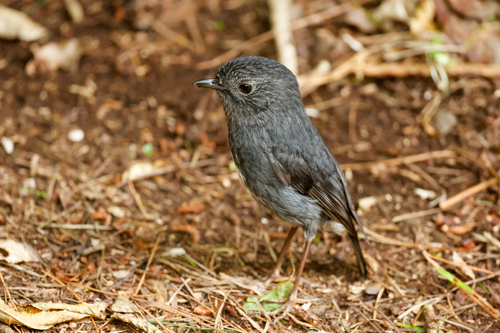 North Island Robin
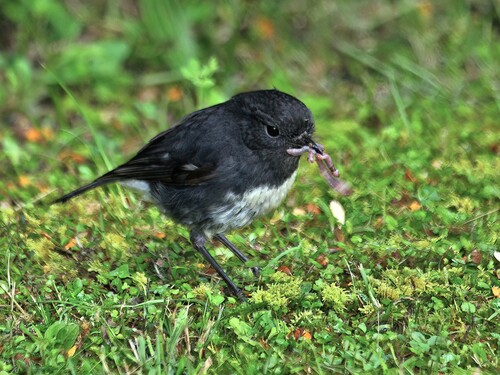 South Island Robin
In breve
Il segno di campo più affidabile tra North Island Robin e South Island Robin è l'estensione e il colore della macchia chiara sul petto inferiore: South Island Robin (soprattutto i maschi adulti) mostra una macchia più grande e di un bianco-giallastro, mentre quella di North Island Robin è più piccola e più chiara. I maschi adulti di North Island Robin sono quasi neri sopra con un piccolo punto bianco alla base del becco, mentre i maschi di South Island sono grigio scuro con un petto inferiore chiaro più prominente. Le femmine e i giovani di entrambe le specie sono molto più simili, essendo più grigi e con macchie chiare sul petto variabili, rendendo difficile la separazione sul campo. Le differenze strutturali sono sottili e entrambe le specie sono simili in dimensioni e forma, quindi prestare attenzione alla dimensione e al colore della macchia sul petto, e alle sottili differenze nell'oscurità generale, è fondamentale. Le piume dei giovani e delle femmine sono una grande insidia, poiché si sovrappongono considerevolmente.
Consigli di identificazione
- Dimensione e Colore della Macchia sul Petto (Adulti): Il segno di campo più affidabile è la dimensione e il colore della macchia chiara sul petto inferiore. I maschi di South Island Robin hanno una macchia più grande e di un bianco-giallastro, mentre quella di North Island Robin è più piccola e più chiara. Questo è meglio visibile sugli uccelli posati in buona luce.
- Oscurità Generale (Maschi Adulti): I maschi di North Island Robin sono quasi neri sopra, in contrasto con il grigio scuro dei maschi di South Island Robin. Questa differenza è sottile ma può essere utile in un confronto diretto.
- Punto Bianco alla Base del Becco: North Island Robin mostra spesso un piccolo punto bianco alla base del becco, che può essere mostrato durante le interazioni. South Island Robin può mostrare questo, ma è meno prominente.
- Striature Chiare sulle Parti Superiori: North Island Robin può mostrare striature chiare sulle parti superiori, che sono meno pronunciate o assenti in South Island Robin. Questo è sottile e meglio visibile da vicino.
- Insidia dei Giovani e delle Femmine: I giovani e le femmine di entrambe le specie sono molto simili—grigi con macchie chiare sul petto variabili. I giovani di South Island appena indipendenti possono mancare di una macchia chiara, ma questo non è sempre affidabile. Non fare affidamento solo sulla macchia sul petto in queste età.
- Dimorfismo Sessuale: I maschi sono più scuri e leggermente più grandi in entrambe le specie, ma questo non aiuta a separare le due.
- Dimensione: Entrambe le specie sono simili in dimensioni e struttura; non usare la dimensione come separatore.
- Volo e Schema delle Ali: Non sono descritte differenze distintive nel pattern delle ali o nel volo per nessuna età; non usare il pattern delle ali per la separazione.
- Habitat e Distribuzione: Usa la distribuzione solo se sei certo della tua posizione—North Island Robin è solo sull'Isola del Nord, South Island Robin solo sulle Isole del Sud e Stewart. Le popolazioni trapiantate possono complicare questo.
- Comportamento: Entrambe le specie si comportano in modo simile; non usare il comportamento per la separazione.
- Voce: Canti e richiami non sono descritti come affidabilmente diversi sul campo.
- Indizi Contestuali: Se osservi una coppia, nota che i maschi sono più scuri e hanno una macchia sul petto più distintiva in entrambe le specie, ma la dimensione e il colore della macchia rimangono il segno migliore.
- Stormi Misti: Se entrambe le specie sono presenti (ad esempio, in santuari gestiti), fai affidamento sulla dimensione/color della macchia sul petto e sull'oscurità generale dei maschi adulti.
- Condizioni di Illuminazione: Differenze sottili nell'oscurità e nel colore della macchia sul petto possono andare perse in scarsa luce; dai priorità a viste ravvicinate e ben illuminate.
- Quando in Dubbio: Se ti trovi di fronte a una femmina o a un giovane, riconosci che la separazione sul campo potrebbe non essere possibile senza informazioni sulla distribuzione o analisi genetica.
Taglia
Entrambe le specie sono delle dimensioni di un passero e molto simili nelle proporzioni complessive. South Island Robin è descritta come lunga 10–18 cm e pesa circa 35 g, che è rappresentativa per entrambe le specie. I maschi sono leggermente più grandi delle femmine in entrambe le specie, ma questo non è un segno di campo affidabile per la separazione. Non si nota alcuna differenza di dimensione significativa tra North e South Island Robins sul campo.
Piumaggio
- Giovani e Femmine: I giovani e le femmine di entrambe le specie sono grigi con macchie chiare variabili sul petto e sulla gola, e possono essere estremamente difficili da separare visivamente. I giovani appena indipendenti possono mancare di una macchia chiara ben definita, specialmente in South Island Robin, ma questo non è sempre affidabile.
- Maschi Adulti: I maschi di North Island Robin sono quasi neri sopra con un piccolo punto bianco alla base del becco e una piccola macchia chiara (non giallastra) sul petto inferiore. I maschi di South Island Robin sono grigio scuro (non neri) con una macchia più grande e di un bianco-giallastro sul petto inferiore. L'area chiara su North Island Robin è sempre più piccola rispetto a quella di South Island Robin.
- Parti Superiori: North Island Robin mostra striature chiare sulle parti superiori, che sono meno pronunciate o assenti in South Island Robin.
- Base del Becco: Entrambe le specie possono mostrare un punto bianco alla base del becco, ma è più visibile in modo consistente in North Island Robin, dove può essere mostrato durante le interazioni.
Comportamento
Entrambe le specie sono insettivore che si nutrono a terra, spesso viste saltellare o correre lungo il pavimento della foresta e posarsi erette su rami bassi. I maschi possono essere più territoriali e appariscenti, specialmente durante la stagione riproduttiva. Non è stata notata alcuna forte differenza comportamentale per la separazione sul campo. Entrambi i sessi possono nascondere cibo e mostrare strategie di foraggiamento simili, anche se i maschi possono dominare le femmine nelle fonti di cibo.
Habitat
L'habitat non è un separatore affidabile sul campo a meno che tu non sia certo della tua posizione: North Island Robin è endemico all'Isola del Nord, mentre South Island Robin si trova solo sull'Isola del Sud e sull'Isola Stewart. Entrambi preferiscono habitat forestali nativi e si trovano spesso in nicchie ecologiche simili. Se ti trovi all'interno dell'area conosciuta di una sola specie, questo può essere utile, ma nelle popolazioni trapiantate o gestite, può verificarsi sovrapposizione di distribuzione.
Voce
Le vocalizzazioni non sono descritte come diagnostiche tra queste due specie nelle fonti. Entrambe producono canti e richiami forti e chiari, con i maschi che cantano di più durante la stagione riproduttiva. I maschi di South Island Robin sono noti per canti lunghi e continui, ma questo non è dichiarato come unico per la specie.
North Island Robin · South Island Robin · I miei uccelli difficili