

Motmot

オーストラリアチョウゲンボウ 対 ハジロオーストラリアムシクイ

Falco cenchroides 対 Malurus leucopterus

オーストラリアチョウゲンボウとハジロオーストラリアムシクイのクイズ
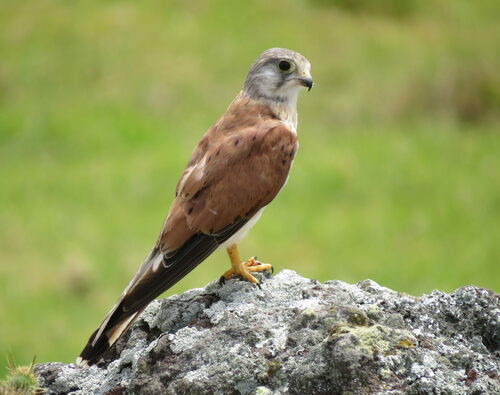
オーストラリアチョウゲンボウ (Falco cenchroides) オーストラリアチョウゲンボウ

ハジロオーストラリアムシクイ (Malurus leucopterus) ハジロオーストラリアムシクイ

メディア

読み込み中…

要点

オーストラリアチョウゲンボウとハジロオーストラリアムシクイを区別する最も信頼できるフィールドマークは、全体のサイズと構造です:チョウゲンボウは、尖った翼と長い尾を持つ、はるかに大きく、スリムな猛禽類であり、一方でムシクイは、非常に長く、細い尾を持つ小さく、丸い体の歌鳥です。飛行中、オーストラリアチョウゲンボウは、対照的な黒い飛行羽を持つ淡い赤褐色の上面を示し、繁殖羽毛のオスのハジロオーストラリアムシクイは、鮮やかなコバルトブルーの体と大胆な白い翼を持ちますが、見られるほとんどの鳥は茶色がかっており、淡い青い尾を持っています。未熟な個体と雌のムシクイは、砂色の茶色で青い尾を持ち、遠くから見ると小さく淡い鳥と混同されやすいですが、決して猛禽類のような飛行や比率を示しません。行動と文脈も強力な手がかりです:チョウゲンボウは空中でホバリングしたり、オープンに止まったりし、ムシクイは低い低木の中をひらひらと飛びます。サイズだけで通常は決定的ですが、特に遠くの鳥や速く動く鳥に対しては、確実性のために複数のマークを使用してください。

識別のコツ

  1. Size is decisive: オーストラリアチョウゲンボウは、ハジロオーストラリアムシクイの約3倍の長さで、はるかに重いです。もしその鳥がスズメサイズなら、それはチョウゲンボウではありません。
  2. Flight style: チョウゲンボウは尖った翼と長い尾で舞い上がり、ホバリングします;ムシクイは短く丸い翼を持ち、短く低い飛行でひらひらし、決してホバリングしません。
  3. Perched posture: チョウゲンボウは、露出したポストやワイヤーの上に直立して止まり、しばしば獲物を探します;ムシクイは低木の中に低く止まり、尾を上に傾け、ほとんど静止しません。
  4. Bill shape: チョウゲンボウはフック状の猛禽類のくちばしを持っています;ムシクイのくちばしは長く、細く、尖っており、昆虫をつまむのに適しています。
  5. Tail structure: チョウゲンボウの尾は長く、まっすぐで、体に対して比例しています;ムシクイの尾は非常に長く、細く、しばしば上に傾けられたり扇状に広げられたりします。
  6. Upperwing pattern (all ages): チョウゲンボウは淡い赤褐色の上面と対照的な黒い飛行羽を示します;ムシクイはこれを示しません—成鳥の繁殖オスだけが白い翼の斑点を持っていますが、小さく青い体の鳥にあります。
  7. Adult male plumage: 繁殖オスのムシクイは鮮やかなコバルトブルーで白い翼を持っています;チョウゲンボウは決して青くなく、常に赤褐色または灰色で黒い飛行羽を持っています。
  8. Female/immature confusion: 雌と未熟なムシクイは砂色の茶色で青い尾を持ち、赤褐色または黒い翼の模様がありません;雌のチョウゲンボウはより大きく、赤褐色の冠と縞模様の尾を持っています。
  9. Juvenile fairywren: 全体が茶色で青い尾を持ち、赤褐色または黒い飛行羽はありません。
  10. Juvenile kestrel: 上面は赤褐色で、黒い飛行羽を持ち、全体が青または砂色の茶色ではありません。
  11. Habitat context: チョウゲンボウはオープンで高い場所やホバリングしているのが見られ、ムシクイは常に低く、低木の中またはその近くにいます。
  12. Group behavior: ムシクイは通常、小さくて騒がしい群れで見られ、チョウゲンボウは孤独またはペアでいます。
  13. Leg color: チョウゲンボウは黄色い足を持っています;ムシクイの足は黄色とは記述されておらず、はるかに細いです。
  14. Eye-ring/cere: チョウゲンボウは黄色いセレとアイリングを持っています;ムシクイはこれらの特徴がありません。
  15. When in doubt: もしホバリングしている鳥や高く露出したところに止まっている鳥を見たら、それはチョウゲンボウです;もし低くひらひらし、尾を傾けて、群れの中にいるなら、それはムシクイです。

大きさ

オーストラリアチョウゲンボウは劇的に大きく、約172.5 gの重さで、長さ28–35 cm、翼幅66–78 cmです [wikidata, wikipedia]。対照的に、ハジロオーストラリアムシクイはオーストラリアの最小のスズメ目の一つで、長さはわずか11–13.5 cm、重さは7–11 gです [wikipedia]。距離があっても、チョウゲンボウのサイズと翼幅は、小さくスズメサイズのムシクイと比べて明らかです。

羽色

行動

オーストラリアチョウゲンボウは典型的なオープンカントリーの猛禽類で、しばしば田畑の上で動かずにホバリングしたり、露出したポストやワイヤーの上に止まっているのが見られます。彼らの飛行は強く、深い翼の打撃と頻繁な滑空があります。それに対して、ハジロオーストラリアムシクイは非常に活発で社交的な歌鳥で、低木の中を跳ねたりひらひらしたりし、遠くに飛ぶことはほとんどなく、決してホバリングしません。ムシクイはしばしば尾を上に持ち、小さな家族群で移動しますが、チョウゲンボウは通常孤独またはペアでいます。チョウゲンボウのホバリングと滑空は、ムシクイの行動には決して匹敵しません。

生息環境

両種はオープンな生息地に生息していますが、明確な好みがあります。オーストラリアチョウゲンボウはオープンな草原、農地、軽く木立のある地域を好み、しばしばオープンな場所に止まったり、田畑の上でホバリングしたりします。ハジロオーストラリアムシクイは乾燥したおよび半乾燥した低木地帯を好み、特に密な低い植生のある場所で隠れます。両方の種はオープンカントリーで見られますが、チョウゲンボウはより露出した高い位置に見られ、ムシクイは低木や地面のレベルに留まります。

より良い説明を送る

比較と同じ項目を使ってください。文章はすぐに公開されます。

The most reliable field mark separating Nankeen Kestrel from White-winged Fairywren is overall size and structure: kestrels are much larger, slim raptors with pointed wings and long tails, while fairywrens are tiny, round-bodied songbirds with very long, slender tails often held upright. In flight, Nankeen Kestrel shows pale rufous upperparts with contrasting black flight feathers, while male White-winged Fairywrens in breeding plumage display striking cobalt blue bodies with bold white wings, but most birds seen are brownish with pale blue tails. Immature and female fairywrens are sandy-brown with blue tails, easily confused at a distance for small, pale birds but never show raptor-like flight or proportions. Behavior and context are also strong clues: kestrels hover or perch openly, fairywrens flit low in shrubs. Size alone is usually decisive, but use multiple marks for certainty, especially with distant or fast-moving birds.

  1. Size is decisive: Nankeen Kestrel is nearly three times the length and vastly heavier than White-winged Fairywren. If the bird is sparrow-sized, it cannot be a kestrel.
  2. Flight style: Kestrels soar and hover with pointed wings and long tails; fairywrens have short, rounded wings and flutter in short, low flights, never hovering.
  3. Perched posture: Kestrels perch upright on exposed posts or wires, often scanning for prey; fairywrens perch low in shrubs, tails cocked upward, and are rarely still.
  4. Bill shape: Kestrel has a hooked raptor's bill; fairywren's bill is long, narrow, and pointed, suited for picking insects.
  5. Tail structure: Kestrel's tail is long, straight, and proportionate to body; fairywren's tail is extremely long, slender, and often held upright or fanned.
  6. Upperwing pattern (all ages): Kestrel shows black flight feathers contrasting with pale rufous upperparts; fairywren never shows this—only adult breeding males have white wing patches, but on a tiny, blue-bodied bird.
  7. Adult male plumage: Breeding male fairywrens are vivid cobalt blue with white wings; kestrels are never blue, always rufous or grey with black flight feathers.
  8. Female/immature confusion: Female and immature fairywrens are sandy-brown with blue tails, lacking any rufous or black wing pattern; female kestrels are larger, with rufous crowns and barred tails.
  9. Juvenile fairywren: Brown overall with a blue tail, never with rufous or black flight feathers.
  10. Juvenile kestrel: Rufous above, black flight feathers, never blue or sandy-brown overall.
  11. Habitat context: Kestrels are seen in open, elevated spots or hovering; fairywrens are always low, in or near shrubs.
  12. Group behavior: Fairywrens are usually in small, noisy groups; kestrels are solitary or in pairs.
  13. Leg color: Kestrel has yellow legs; fairywren legs are not described as yellow and are much finer.
  14. Eye-ring/cere: Kestrel has a yellow cere and eye-ring; fairywren lacks these features.
  15. When in doubt: If you see a hovering bird or one perched high and exposed, it's a kestrel; if it's flitting low, tail cocked, in a group, it's a fairywren.

Nankeen Kestrel is dramatically larger, weighing about 172.5 g and measuring 28–35 cm in length with a wingspan of 66–78 cm [wikidata, wikipedia]. In contrast, White-winged Fairywren is one of the smallest Australian passerines, at just 11–13.5 cm long and 7–11 g in weight [wikipedia]. Even at a distance, the kestrel's size and wingspan are unmistakable compared to the tiny, sparrow-sized fairywren.

  • Juvenile/immature comparison: Immature Nankeen Kestrels resemble adults but have rufous crowns and finely barred rufous tails, with pale rufous upperparts and black flight feathers. Juvenile and female fairywrens are sandy-brown with a pale blue tail and pinkish-buff bill, lacking any raptor-like patterning or wing contrast. Young male fairywrens gradually acquire blue tails and darker bills, but never develop the kestrel's black flight feathers or rufous tones.

  • Adult male comparison: Adult male Nankeen Kestrels have a pale grey crown and tail, rufous upperparts, and black flight feathers, with finely streaked white underparts. Breeding male White-winged Fairywrens are strikingly different: cobalt blue or black bodies, bright white wings and shoulders, and black bills. Their white wing patches are especially obvious in flight but are set on a much smaller, rounder bird.

  • Adult female comparison: Female kestrels are larger, with pale rufous crowns and barred rufous tails, while female fairywrens are sandy-brown with blue tails—no rufous, no barring, and no black flight feathers.

  • Flight views: Kestrels show pointed wings with black flight feathers and a long, straight tail; fairywrens have short, rounded wings and a long, slender tail often cocked upward, with white wing patches only in breeding males.

Nankeen Kestrels are classic open-country raptors, often seen hovering motionless over fields or perched on exposed posts and wires. Their flight is strong, with deep wingbeats and frequent gliding. In contrast, White-winged Fairywrens are highly active, social songbirds that hop and flit low through shrubs, rarely flying far and never hovering. Fairywrens often hold their tails upright and move in small family groups, while kestrels are usually solitary or in pairs. The kestrel's hovering and soaring are never matched by fairywren behavior.

Both species occur in open habitats, but with distinct preferences. Nankeen Kestrel favors open grasslands, farmland, and lightly wooded areas, often perching in the open or hovering over fields. White-winged Fairywren prefers arid and semi-arid shrublands, especially areas with dense low vegetation for cover. While both can be found in open country, kestrels are seen in more exposed, elevated positions, while fairywrens keep to low shrubs and ground level.

変更を破棄しますか?

保存していない編集があります。今離れると失われます。

オーストラリアチョウゲンボウ · ハジロオーストラリアムシクイ · 苦手な鳥