

Nankeen Kestrel vs White-winged Fairywren
Falco cenchroides contro Malurus leucopterus
Fai un quiz con Nankeen Kestrel e White-winged Fairywren
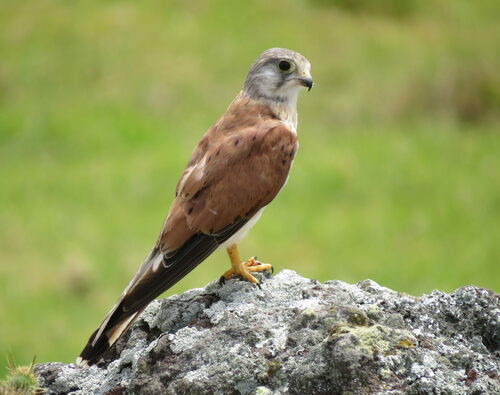 Nankeen Kestrel
 White-winged Fairywren
In breve
Il segno distintivo più affidabile che separa il Nankeen Kestrel dal White-winged Fairywren è la dimensione e la struttura complessiva: i falchi sono molto più grandi, rapaci snelli con ali appuntite e lunghe code, mentre i fairywren sono uccelli canori minuscoli, con corpi rotondi e code molto lunghe e sottili, spesso tenute in posizione verticale. In volo, il Nankeen Kestrel mostra parti superiori rufous chiare con piume di volo nere in contrasto, mentre i maschi di White-winged Fairywren in abito nuziale mostrano corpi blu cobalto sorprendenti con ali bianche audaci, ma la maggior parte degli uccelli osservati è marrone con code blu chiare. I fairywren immaturi e femminili sono di colore marrone sabbia con code blu, facilmente confusi da lontano per piccoli uccelli chiari, ma non mostrano mai un volo o proporzioni simili a quelle dei rapaci. Il comportamento e il contesto sono anche indizi forti: i falchi planano o si posano apertamente, i fairywren si muovono bassi nei cespugli. La dimensione da sola è solitamente decisiva, ma usa più segni per certezza, specialmente con uccelli distanti o in rapido movimento.
Consigli di identificazione
- La dimensione è decisiva: Il Nankeen Kestrel è quasi tre volte la lunghezza e molto più pesante del White-winged Fairywren. Se l'uccello è delle dimensioni di un passero, non può essere un falco.
- Stile di volo: I falchi planano e si librano con ali appuntite e lunghe code; i fairywren hanno ali corte e arrotondate e svolazzano in voli brevi e bassi, senza mai librarsi.
- Postura in perching: I falchi si posano in posizione verticale su pali o fili esposti, spesso scrutando per la preda; i fairywren si posano bassi nei cespugli, con le code sollevate, e raramente sono fermi.
- Forma del becco: Il falco ha un becco ricurvo da rapace; il becco del fairywren è lungo, stretto e appuntito, adatto per raccogliere insetti.
- Struttura della coda: La coda del falco è lunga, dritta e proporzionata al corpo; la coda del fairywren è estremamente lunga, sottile e spesso tenuta in posizione verticale o aperta.
- Schema dell'ala superiore (tutte le età): Il falco mostra piume di volo nere in contrasto con le parti superiori rufous chiare; il fairywren non mostra mai questo—solo i maschi adulti in abito nuziale hanno macchie bianche sulle ali, ma su un uccello minuscolo e blu.
- Piumaggio del maschio adulto: I maschi di fairywren in abito nuziale sono di un blu cobalto vivido con ali bianche; i falchi non sono mai blu, sempre rufous o grigi con piume di volo nere.
- Confusione femminile/immatura: I fairywren femminili e immaturi sono marrone sabbia con code blu, privi di qualsiasi schema di ali rufous o nere; le femmine di falco sono più grandi, con corone rufous e code barrate.
- Fairywren giovanile: Marrone in generale con una coda blu, mai con piume di volo rufous o nere.
- Falco giovanile: Rufous sopra, piume di volo nere, mai blu o marrone sabbia in generale.
- Contesto dell'habitat: I falchi sono visti in posti aperti ed elevati o in volo; i fairywren sono sempre bassi, in o vicino ai cespugli.
- Comportamento di gruppo: I fairywren sono solitamente in piccoli gruppi rumorosi; i falchi sono solitari o in coppie.
- Colore delle gambe: Il falco ha gambe gialle; le gambe del fairywren non sono descritte come gialle e sono molto più sottili.
- Anello oculare/cere: Il falco ha una cere gialla e un anello oculare; il fairywren manca di queste caratteristiche.
- Quando in dubbio: Se vedi un uccello in volo o uno posato in alto e esposto, è un falco; se sta svolazzando basso, con la coda sollevata, in un gruppo, è un fairywren.
Taglia
Il Nankeen Kestrel è drammaticamente più grande, pesando circa 172,5 g e misurando 28–35 cm di lunghezza con un'apertura alare di 66–78 cm [wikidata, wikipedia]. Al contrario, il White-winged Fairywren è uno dei più piccoli passeriformi australiani, con una lunghezza di soli 11–13,5 cm e un peso di 7–11 g [wikipedia]. Anche a distanza, la dimensione e l'apertura alare del falco sono inconfondibili rispetto al piccolo fairywren delle dimensioni di un passero.
Piumaggio
-
Confronto giovanile/immaturo: I Nankeen Kestrels immaturi assomigliano agli adulti ma hanno corone rufous e code rufous finemente barrate, con parti superiori rufous chiare e piume di volo nere. I fairywren giovanili e femminili sono marrone sabbia con una coda blu chiara e un becco rosa chiaro, privi di qualsiasi schema simile a un rapace o contrasto nelle ali.
-
Confronto maschio adulto: I maschi adulti di Nankeen Kestrel hanno una corona e una coda grigie chiare, parti superiori rufous e piume di volo nere, con parti inferiori bianche finemente striate. I maschi di White-winged Fairywren in abito nuziale sono sorprendentemente diversi: corpi blu cobalto o neri, ali e spalle bianche brillanti e becchi neri. Le loro macchie bianche sulle ali sono particolarmente evidenti in volo, ma sono su un uccello molto più piccolo e rotondo.
-
Confronto femmina adulta: Le femmine di falco sono più grandi, con corone rufous chiare e code rufous barrate, mentre le femmine di fairywren sono marrone sabbia con code blu—senza rufous, senza barrature e senza piume di volo nere.
-
Visioni in volo: I falchi mostrano ali appuntite con piume di volo nere e una lunga coda dritta; i fairywren hanno ali corte e arrotondate e una lunga coda sottile spesso sollevata, con macchie bianche sulle ali solo nei maschi in abito nuziale.
Comportamento
I Nankeen Kestrels sono rapaci classici di campagna aperta, spesso visti librarsi immobili sopra i campi o posati su pali e fili esposti. Il loro volo è forte, con battiti d'ali profondi e frequenti planate. Al contrario, i White-winged Fairywren sono uccelli canori altamente attivi e sociali che saltellano e svolazzano bassi attraverso i cespugli, raramente volando lontano e mai librandosi. I fairywren spesso tengono le loro code in posizione verticale e si muovono in piccoli gruppi familiari, mentre i falchi sono solitamente solitari o in coppie. Il librarsi e il volo del falco non sono mai eguagliati dal comportamento del fairywren.
Habitat
Entrambe le specie si trovano in habitat aperti, ma con preferenze distinte. Il Nankeen Kestrel predilige praterie aperte, terreni agricoli e aree leggermente boschive, spesso posandosi in aperto o librandosi sopra i campi. Il White-winged Fairywren preferisce aree cespugliose aride e semi-aride, specialmente zone con vegetazione bassa e densa per copertura. Anche se entrambe possono essere trovate in campagna aperta, i falchi sono visti in posizioni più esposte ed elevate, mentre i fairywren si mantengono nei cespugli bassi e a livello del suolo.
Nankeen Kestrel · White-winged Fairywren · I miei uccelli difficili