

Motmot

ノバリケン 対 ベニバシガモ

Cairina moschata 対 Netta peposaca

ノバリケンとベニバシガモのクイズ
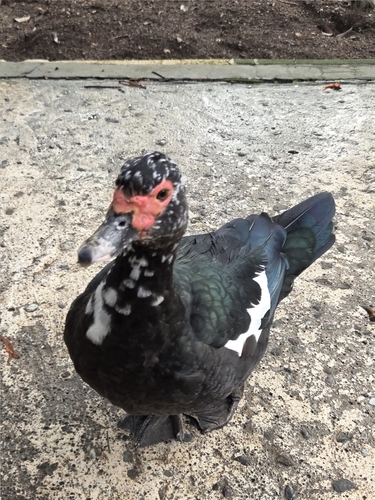
ノバリケン (Cairina moschata) ノバリケン
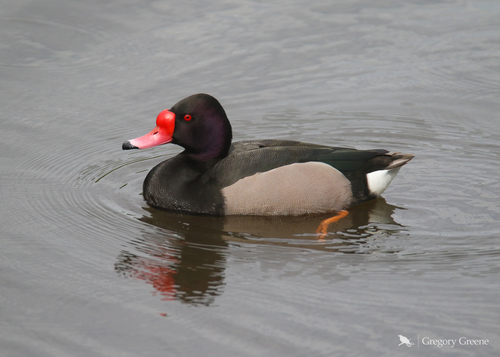
ベニバシガモ (Netta peposaca) ベニバシガモ

メディア

読み込み中…

要点

ノバリケンとベニバシガモの最も信頼できるフィールドマークは、成鳥のノバリケンに広範囲の裸の赤い顔の皮膚と目立つくちばしのこぶがあるのに対し、成鳥のオスのベニバシガモには明るい赤いくちばしと丸いこぶ(ただし羽毛のある顔)があることです。飛行中、両種は翼に白色を示しますが、パターンと文脈は異なります:ノバリケン(特にオス)は、他の黒い翼に大きな白い斑点がありますが、ベニバシガモは翼が完全に広げられたときにのみ広い白いストライプを示します。幼鳥のノバリケンは鈍い色合いで、翼に多くの白がありませんが、若いベニバシガモは対照的な白いクリッサムを持つ雌に似ています。ノバリケンはベニバシガモのよりもはるかに大きく、ずんぐりした体形で、平らな尾と長い爪を持っています。

識別のコツ

  1. ノバリケンの裸の赤い顔の皮膚とカルンクル(いぼ状の成長):成鳥のノバリケン、特にオスは、顔の周りに広範囲の裸の赤い皮膚とくちばしの基部に目立つこぶを持っています。これはベニバシガモには決して存在せず、顔は完全に羽毛で覆われています。
  2. くちばしの色と形:オスのベニバシガモは、基部に丸いこぶがあり、明るい赤いくちばしを持ち、ピンクにフェードし、黒い先端で終わります。雌は黒い先端とこぶのない青灰色のくちばしを持っています。ノバリケンは淡いピンクの斑点のある黒いくちばしを持っています(野生型)が、野生の/家禽の鳥は黄色、ピンク、または混合のくちばしを示すことがあります。ノバリケンのくちばしはより広く、平らです。
  3. 飛行中の翼のパターン:ノバリケンは、他の黒い翼に大きな白い斑点を示します(特にオス)、静止時と飛行中の両方で見えます。ベニバシガモは、翼が完全に広げられたとき(飛行中またはディスプレイ時)にのみ、一次羽と二次羽に広い白いストライプを示します。
  4. 幼鳥/未熟な混乱:幼鳥のノバリケンは鈍い色合いで、翼に多くの白がなく、主に暗い色に見えます。幼いベニバシガモは雌(茶色がかった色)に似ていますが、対照的な白いクリッサム(尾の下の部分)を持っており、これは有用なマークです。
  5. 体のサイズと構造:ノバリケンは、はるかに大きく、ずんぐりしていて、長い首を持ち、平らで広い尾と長い爪を持っています。ベニバシガモはよりコンパクトで、丸い体と短い尾を持っています。
  6. 脚と足の色:ノバリケンは黒っぽい脚と水かきのある足を持ち、ベニバシガモは黄色からオレンジの脚と足を持っています(雌は灰色を示すことがあります)。
  7. 顔の羽毛:ノバリケンは顔に裸の皮膚を持っています(特にオス)、一方、ベニバシガモは両性ともに完全に羽毛のある顔を持っています。
  8. 羽毛の光沢:オスのノバリケンは虹色で光沢のある背中と翼の羽毛を持っていますが、ベニバシガモ(オス)は紫黒色の頭と首を持っていますが、同じレベルの光沢はありません。
  9. 尾の形:ノバリケンは広く平らな尾を持ち、しばしば水平に保たれます。ベニバシガモは短く、より丸い尾を持っています。
  10. 止まり方:ノバリケンは、長い爪のおかげで木や構造物に止まることがあります。ベニバシガモは、地面の上に止まっているのはめったに見られません。
  11. 生息地の文脈:ノバリケン(特に野生の/家禽)は、都市の公園、農場、または建物に見られることがよくあります。ベニバシガモは、自然の湿地やあまり都市化されていない地域にいる可能性が高いです。
  12. 鳴き声:ノバリケンは、オスは低くて息のような鳴き声を持ち、雌は静かなトリルのクーを持っていますが、ベニバシガモはより深く、静かな「ホンク」を持っています。
  13. 性差の二形性:両種は性差の二形性を示しますが、異なる方法で。ノバリケンのオスははるかに大きく、顔のカルンクルがより広範囲にあります。ベニバシガモのオスは明るい赤いくちばしとこぶを持ち、雌は茶色がかった色で青灰色のくちばしを持っています。
  14. ノバリケンの野生/家禽の変動性:野生のノバリケンは、頭/首により多くの白を示し、くちばしの色が変動することがあり、観察者を混乱させることがあります。IDのために顔の皮膚とサイズに焦点を当ててください。
  15. ベニバシガモのクリッサムの対比:白い部分は、両性のベニバシガモの重要なマークであり、特に他の特徴が見えにくいときに役立ちます。

大きさ

ノバリケンはベニバシガモよりもはるかに大きく、重いです。ノバリケンのオスは最大で3〜4 kgの重さがあり、76〜84 cmの長さで、翼幅は137〜152 cmです。雌は小さいですが、どのベニバシガモよりも大きいです。対照的に、ベニバシガモは平均して約1.1 kgと56 cmの長さで、翼幅は72〜84 cmです。フィールドでは、ノバリケンははるかにずんぐりしていて長い首を持っているように見え、ベニバシガモはよりコンパクトで丸みを帯びています。

羽色

行動

ノバリケンは強力な飛行能力を持っていますが、長い爪と平らな尾のおかげで木や構造物に止まることがよくあります。彼らは地面を歩くのが得意で、地面や水の上に止まることが多いです。ベニバシガモは、潜水するカモとして、脚が後方に位置しているため、地面では不器用ですが、水中では敏捷です。彼らの離陸は労力を要し、速い翼の動きが必要で、地面の上に止まることは少ないです。ノバリケンは地面でくつろいでいるのがよく見られ、ベニバシガモは通常水の上またはその近くにいます。

生息環境

両種は水の近くで見られますが、ノバリケン(特に野生の/家禽のタイプ)は、都市の公園、農場、さらにはバルコニーや屋根のひさしに巣を作ることがよくあります。彼らは適応性があり、野生の湿地から遠く離れた場所でも見られることがあります。ベニバシガモは、南アメリカの自然または半自然の湿地、湖、湿原により制限されており、都市や高度に改変された生息地では見られる可能性が低いです。

声

ノバリケンはオスに低くて息のような鳴き声を持ち、雌は静かなトリルのクーを持っています。ベニバシガモは特徴的なカモ科の「ホンク」を出しますが、マガモよりも深くて静かです。どちらの種も特に声が大きいわけではありませんが、ノバリケンの鳴き声はより柔らかく、カモらしくなく、ベニバシガモの鳴き声はより深く、潜水カモに典型的です。

より良い説明を送る

比較と同じ項目を使ってください。文章はすぐに公開されます。

The most reliable field mark between Muscovy Duck and Rosy-billed Pochard is the presence of extensive bare red facial skin and a prominent bill knob in adult Muscovy Ducks, versus the bright red bill with a rounded knob (but feathered face) in adult male Rosy-billed Pochards. In flight, both species show white in the wings, but the pattern and context differ: Muscovy Ducks (especially males) have large white patches on otherwise black wings, while Rosy-billed Pochards reveal a broad white stripe only when the wings are fully outstretched. Juvenile Muscovy Ducks are duller and lack much white on the wing, while young Rosy-billed Pochards resemble females with a contrasting white crissum. Muscovy Ducks are much larger and bulkier, with a flatter tail and longer claws, compared to the more compact, diving duck shape of the Rosy-billed Pochard.

  1. Bare red facial skin and caruncles (warty growths) in Muscovy Duck: Adult Muscovy Ducks, especially males, have extensive bare red skin around the face and a prominent knob at the bill base. This is never present in Rosy-billed Pochard, whose face is fully feathered.
  2. Bill color and shape: Male Rosy-billed Pochards have a bright red bill with a rounded knob at the base, fading to pink and ending with a black tip. Females have a bluish-gray bill with a black tip and no knob. Muscovy Ducks have a black bill with pale pink speckling (wild type), but feral/domestic birds may show yellow, pink, or mixed bills. The Muscovy's bill is broader and flatter.
  3. Wing pattern in flight: Muscovy Ducks show large white patches on the otherwise black wings (especially males), visible both at rest and in flight. Rosy-billed Pochards show a broad white stripe on the primaries and secondaries, but only when wings are fully outstretched (in flight or display), not at rest.
  4. Juvenile/immature confusion: Juvenile Muscovy Ducks are duller and lack much white on the wing, appearing mostly dark. Juvenile Rosy-billed Pochards resemble females (brownish) but have a contrasting white crissum (under-tail area), which is a useful mark.
  5. Body size and structure: Muscovy Ducks are much larger, bulkier, and longer-necked, with a flatter, broader tail and long claws. Rosy-billed Pochards are more compact, with a rounded body and a shorter tail.
  6. Leg and foot color: Muscovy Ducks have blackish legs and webbed feet; Rosy-billed Pochards have yellow to orange legs and feet (females may show gray).
  7. Face feathering: Muscovy Ducks have bare skin on the face (especially males), while Rosy-billed Pochards have fully feathered faces in both sexes.
  8. Plumage gloss: Male Muscovy Ducks have iridescent, glossy back and wing feathers, while Rosy-billed Pochards (males) have a purplish-black head and neck but lack the same level of gloss.
  9. Tail shape: Muscovy Ducks have a wide, flat tail, often held horizontally. Rosy-billed Pochards have a shorter, more rounded tail.
  10. Perching behavior: Muscovy Ducks may perch in trees or on structures, thanks to their long claws. Rosy-billed Pochards are rarely seen perched above ground.
  11. Habitat context: Muscovy Ducks (especially feral/domestic) are often found in urban parks, farms, or even on buildings. Rosy-billed Pochards are more likely in natural wetlands and less urbanized areas.
  12. Vocalizations: Muscovy Ducks have a low, breathy call (male) or quiet trilling coo (female), while Rosy-billed Pochards have a deeper, quieter 'honk'.
  13. Sexual dimorphism: Both species show sexual dimorphism, but in different ways. Muscovy males are much larger and have more extensive facial caruncles; Rosy-billed Pochard males have the bright red bill and knob, while females are brownish with a bluish-gray bill.
  14. Feral/domestic variability in Muscovy: Feral Muscovy Ducks may show more white on the head/neck and variable bill colors, which can confuse the observer. Focus on face skin and size for ID.
  15. Crissum contrast in Rosy-billed Pochard: The white area around the cloaca (crissum) is a key mark in both sexes of Rosy-billed Pochard, especially when other features are hard to see.

Muscovy Ducks are substantially larger and heavier than Rosy-billed Pochards. Muscovy males can weigh up to 3–4 kg and measure 76–84 cm in length, with a wingspan of 137–152 cm. Females are smaller but still larger than any Rosy-billed Pochard. In contrast, Rosy-billed Pochards average around 1.1 kg and 56 cm in length, with a wingspan of 72–84 cm. In the field, Muscovy Ducks appear much bulkier and longer-necked, while Rosy-billed Pochards are more compact and rounded.

  • Juvenile/immature Muscovy Ducks are overall duller than adults, with little or no white on the wing, making them appear mostly dark in flight. Adult Muscovy Ducks (especially males) show large, obvious white patches on otherwise black wings, and iridescent, glossy upperparts in males. Feral/domestic birds may have variable white on the neck and head, but wild-type birds keep the white to the wings.

  • Rosy-billed Pochard males have a purplish-black head, neck, and breast, gray sides, and a white area around the cloaca (crissum). Their most distinctive wing mark is a broad white stripe on the primaries and secondaries, visible only with wings fully outstretched (in flight or display). Females and juveniles are brownish, with a contrasting white crissum and lack the male's red bill and knob. Young birds are darker below than females but otherwise similar.

  • Key contrast: Muscovy Duck's white is in large patches on the wing (often visible at rest), while Rosy-billed Pochard's white is a stripe only seen in flight or stretching. Muscovy males have a naked, red, warty face; Rosy-billed Pochard males have a feathered face and a bright red bill with a knob.

Muscovy Ducks are strong fliers but often perch in trees or on structures, thanks to their long claws and flat tails. They are more likely to be seen walking well on land and roosting above ground or water. Rosy-billed Pochards, as diving ducks, have legs set further back, making them awkward on land but agile underwater. Their takeoff is labored, requiring fast wingbeats, and they are less likely to perch above ground. Muscovy Ducks are more likely to be seen loafing on land or perching, while Rosy-billed Pochards are usually on water or close to it.

Both species can be found near water, but Muscovy Ducks (especially feral/domestic types) are often seen in urban parks, farms, and even nesting on balconies or roof overhangs. They are adaptable and may be found far from wild wetlands. Rosy-billed Pochards are more restricted to natural or semi-natural wetlands, lakes, and marshes in South America, and are less likely to be found in urban or highly modified habitats.

Muscovy Ducks have a low, breathy call in males and a quiet trilling coo in females. Rosy-billed Pochards produce a characteristic Anatidae 'honk', but deeper and quieter than a mallard. Neither species is especially vocal, but the Muscovy's calls are softer and less duck-like, while the Rosy-billed Pochard's are deeper and more typical of diving ducks.

変更を破棄しますか?

保存していない編集があります。今離れると失われます。

ノバリケン · ベニバシガモ · 苦手な鳥