

Anatra muta vs Fistione beccorosa
Cairina moschata contro Netta peposaca
Fai un quiz con Anatra muta e Fistione beccorosa
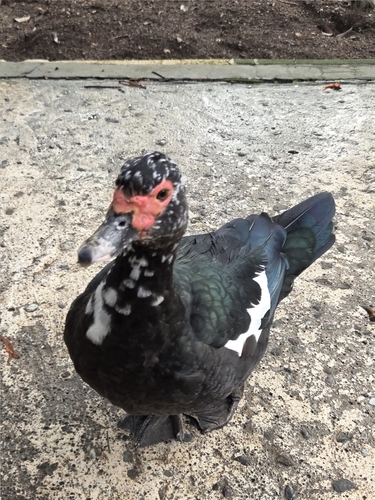 Anatra muta
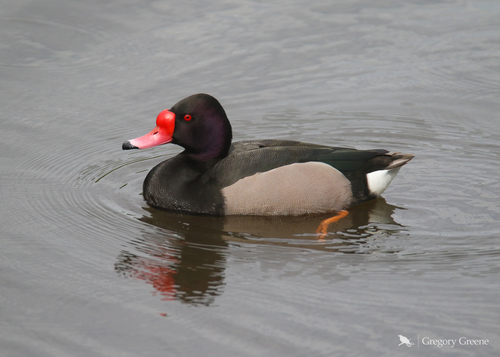 Fistione beccorosa
In breve
Il segno distintivo più affidabile tra l'Anatra muta e il Fistione beccorosa è la presenza di ampia pelle facciale rossa nuda e un prominente caruncola nel becco negli adulti Anatre mute, rispetto al becco rosso brillante con una caruncola arrotondata (ma faccia piumata) nei maschi adulti dei Fistioni beccorosa. In volo, entrambe le specie mostrano bianco nelle ali, ma il modello e il contesto differiscono: le Anatre mute (soprattutto i maschi) hanno grandi macchie bianche su ali altrimenti nere, mentre i Fistioni beccorosa rivelano una larga striscia bianca solo quando le ali sono completamente distese. Le Anatre mute juvenile sono più opache e mancano di molto bianco sulle ali, mentre i giovani Fistioni beccorosa somigliano alle femmine con un crissum bianco a contrasto. Le Anatre mute sono molto più grandi e massicce, con una coda più piatta e artigli più lunghi, rispetto alla forma più compatta e da tuffo del Fistione beccorosa.
Consigli di identificazione
- Pelle facciale rossa nuda e caruncole (escrescenze verrucose) nell'Anatra muta: Gli adulti Anatre mute, soprattutto i maschi, hanno ampia pelle rossa nuda attorno al viso e un prominente caruncola alla base del becco. Questo non è mai presente nel Fistione beccorosa, il cui viso è completamente piumato.
- Colore e forma del becco: I maschi dei Fistioni beccorosa hanno un becco rosso brillante con una caruncola arrotondata alla base, che sfuma in rosa e termina con una punta nera. Le femmine hanno un becco grigio-bluastro con una punta nera e senza caruncola. Le Anatre mute hanno un becco nero con macchie rosa pallido (tipo selvatico), ma gli uccelli domestici/ferali possono mostrare becchi gialli, rosa o misti. Il becco dell'Anatra muta è più largo e piatto.
- Modello delle ali in volo: Le Anatre mute mostrano grandi macchie bianche sulle ali altrimenti nere (soprattutto i maschi), visibili sia a riposo che in volo. I Fistioni beccorosa mostrano una larga striscia bianca sulle primarie e secondarie, ma solo quando le ali sono completamente distese (in volo o in mostra), non a riposo.
- Confusione giovanile/immatura: Le Anatre mute juvenile sono più opache e mancano di molto bianco sulle ali, apparendo per lo più scure. I Fistioni beccorosa juvenile somigliano alle femmine (marroni) ma hanno un crissum bianco a contrasto (area sotto la coda), che è un segno utile.
- Dimensione e struttura del corpo: Le Anatre mute sono molto più grandi, massicce e con un collo più lungo, con una coda più piatta e larga e artigli lunghi. I Fistioni beccorosa sono più compatti, con un corpo arrotondato e una coda più corta.
- Colore delle gambe e dei piedi: Le Anatre mute hanno gambe e piedi di colore nerastro; i Fistioni beccorosa hanno gambe e piedi gialli o arancioni (le femmine possono mostrare grigio).
- Piumaggio del viso: Le Anatre mute hanno pelle nuda sul viso (soprattutto i maschi), mentre i Fistioni beccorosa hanno visi completamente piumati in entrambi i sessi.
- Lucentezza del piumaggio: I maschi delle Anatre mute hanno piume del dorso e delle ali iridescenti e lucide, mentre i Fistioni beccorosa (maschi) hanno una testa e un collo nero-porpora ma mancano dello stesso livello di lucentezza.
- Forma della coda: Le Anatre mute hanno una coda larga e piatta, spesso tenuta orizzontalmente. I Fistioni beccorosa hanno una coda più corta e arrotondata.
- Comportamento di posarsi: Le Anatre mute possono posarsi sugli alberi o su strutture, grazie ai loro lunghi artigli. I Fistioni beccorosa sono raramente visti posati sopra il suolo.
- Contesto dell'habitat: Le Anatre mute (soprattutto ferali/domestiche) sono spesso trovate in parchi urbani, fattorie, o anche sugli edifici. I Fistioni beccorosa sono più probabili in zone umide naturali e meno urbanizzate.
- Vocalizzazioni: Le Anatre mute hanno un richiamo basso e affannoso (maschio) o un coo tranquillo e trillato (femmina), mentre i Fistioni beccorosa hanno un 'honk' più profondo e più silenzioso.
- Dimorfismo sessuale: Entrambe le specie mostrano dimorfismo sessuale, ma in modi diversi. I maschi delle Anatre mute sono molto più grandi e hanno caruncole facciali più estese; i maschi dei Fistioni beccorosa hanno il becco rosso brillante e la caruncola, mentre le femmine sono marroni con un becco grigio-bluastro.
- Variabilità ferale/domestica nell'Anatra muta: Le Anatre mute ferali possono mostrare più bianco sulla testa/collo e colori del becco variabili, il che può confondere l'osservatore. Concentrati sulla pelle del viso e sulla dimensione per l'ID.
- Contrasto del crissum nel Fistione beccorosa: L'area bianca attorno alla cloaca (crissum) è un segno chiave in entrambi i sessi del Fistione beccorosa, soprattutto quando altre caratteristiche sono difficili da vedere.
Taglia
Le Anatre mute sono sostanzialmente più grandi e pesanti dei Fistioni beccorosa. I maschi delle Anatre mute possono pesare fino a 3–4 kg e misurare 76–84 cm di lunghezza, con un'apertura alare di 137–152 cm. Le femmine sono più piccole ma comunque più grandi di qualsiasi Fistione beccorosa. Al contrario, i Fistioni beccorosa pesano in media circa 1,1 kg e misurano 56 cm di lunghezza, con un'apertura alare di 72–84 cm. Sul campo, le Anatre mute appaiono molto più massicce e con un collo più lungo, mentre i Fistioni beccorosa sono più compatti e arrotondati.
Piumaggio
-
Anatre mute juvenile/immature sono complessivamente più opache degli adulti, con poco o nessun bianco sulle ali, facendole apparire per lo più scure in volo. Gli adulti Anatre mute (soprattutto i maschi) mostrano grandi e ovvie macchie bianche su ali altrimenti nere, e parti superiori iridescenti e lucide nei maschi. Gli uccelli domestici/ferali possono avere bianco variabile sul collo e sulla testa, ma gli uccelli di tipo selvatico mantengono il bianco sulle ali.
-
Maschi dei Fistioni beccorosa hanno una testa, un collo e un petto nero-porpora, lati grigi e un'area bianca attorno alla cloaca (crissum). Il loro segno distintivo più evidente è una larga striscia bianca sulle primarie e secondarie, visibile solo con le ali completamente distese (in volo o in mostra). Le femmine e i juvenile sono marroni, con un crissum bianco a contrasto e mancano del becco rosso e della caruncola del maschio. I giovani uccelli sono più scuri sotto rispetto alle femmine ma altrimenti simili.
-
Contrasto chiave: Il bianco dell'Anatra muta è in grandi macchie sulle ali (spesso visibili a riposo), mentre il bianco del Fistione beccorosa è una striscia visibile solo in volo o quando si distende. I maschi delle Anatre mute hanno un viso nudo, rosso e verrucoso; i maschi dei Fistioni beccorosa hanno un viso piumato e un becco rosso brillante con una caruncola.
Comportamento
Le Anatre mute sono forti volatori ma spesso si posano sugli alberi o su strutture, grazie ai loro lunghi artigli e coda piatta. Sono più propense a essere viste camminare bene sulla terra e a riposare sopra il suolo o sull'acqua. I Fistioni beccorosa, come anatre da tuffo, hanno le gambe posizionate più indietro, rendendole goffe sulla terra ma agili sott'acqua. Il loro decollo è faticoso, richiedendo battiti d'ali veloci, e sono meno propensi a posarsi sopra il suolo. Le Anatre mute sono più propense a essere viste oziare sulla terra o posarsi, mentre i Fistioni beccorosa sono solitamente sull'acqua o vicino ad essa.
Habitat
Entrambe le specie possono essere trovate vicino all'acqua, ma le Anatre mute (soprattutto i tipi ferali/domestici) sono spesso viste in parchi urbani, fattorie e persino a nidificare su balconi o sporgenze dei tetti. Sono adattabili e possono essere trovate lontano dalle zone umide selvatiche. I Fistioni beccorosa sono più ristretti a zone umide naturali o semi-naturali, laghi e paludi in Sud America, e sono meno probabili da trovare in habitat urbani o altamente modificati.
Voce
Le Anatre mute hanno un richiamo basso e affannoso nei maschi e un coo tranquillo e trillato nelle femmine. I Fistioni beccorosa producono un 'honk' caratteristico degli Anatidae, ma più profondo e più silenzioso di un Germano reale. Nessuna delle due specie è particolarmente vocale, ma i richiami dell'Anatra muta sono più morbidi e meno simili a quelli delle anatre, mentre quelli del Fistione beccorosa sono più profondi e più tipici delle anatre da tuffo.