

Motmot

アフリカシラコバト 対 アカメジュズカケバト

Streptopelia decipiens 対 Streptopelia semitorquata

アフリカシラコバトとアカメジュズカケバトのクイズ
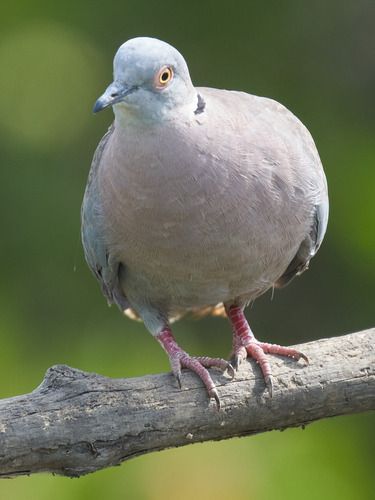
アフリカシラコバト (Streptopelia decipiens) アフリカシラコバト
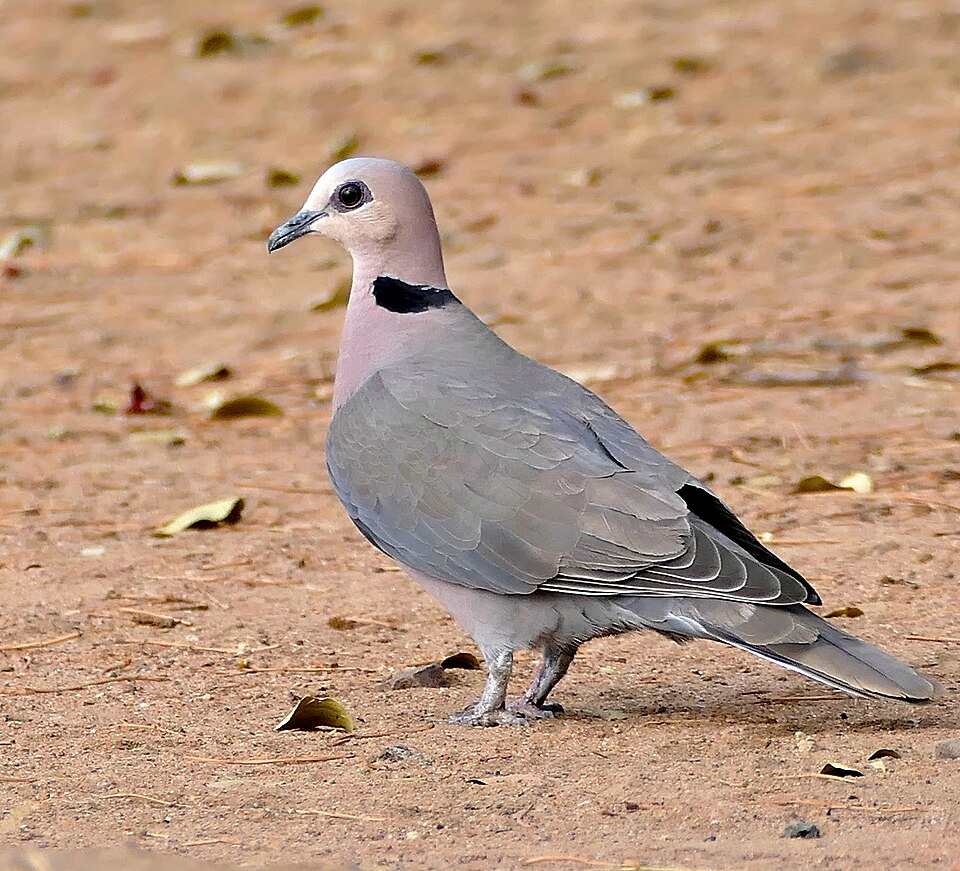
アカメジュズカケバト (Streptopelia semitorquata) アカメジュズカケバト

メディア

読み込み中…

要点

アフリカシラコバトとアカメジュズカケバトを区別する最も信頼できるフィールドマークは、アフリカシラコバトが飛行中に見せる尾の広範な白色であり、アカメジュズカケバトにはこれが欠けています。アフリカシラコバトはまた、明らかに小さくてずんぐりした体型をしており、頭は淡い灰色で、体はピンクがかった灰色です。一方、アカメジュズカケバトは大きく、暗いワインレッドの胸と特徴的な赤またはオレンジの虹彩を持っています。両者とも黒い首の襟がありますが、アフリカシラコバトの襟はより広く、白で明確に縁取られています。両種の未成熟な鳥は鈍い色合いですが、尾のパターンはすべての年齢での重要な区別点です。

識別のコツ

  1. Tail pattern in flight: アフリカシラコバトはすべての年齢で飛行中に尾に広範な白色を示しますが、アカメジュズカケバトにはこれがなく、より均一な灰褐色の尾を持っています。離陸時や直線飛行中に尾の白い閃光を常に確認してください。
  2. Size and structure: アフリカシラコバトは小さくてずんぐりした体型(171 g)で、より大きくてずっしりしたアカメジュズカケバト(235 g)と比較されます。両者が存在する場合、サイズの違いはしばしば明確ですが、孤立した鳥や視界の悪い場合には注意が必要です。
  3. Head and body color: アフリカシラコバトは淡い灰色の頭とピンクがかった灰色の体を持っており、アカメジュズカケバトは暗い青灰色の額、ワインレッドまたはモーブピンクの胸と腹部、より灰色の上面を持っています。アフリカシラコバトの全体的に淡い印象を探してください。
  4. Neck collar: アフリカシラコバトの黒い半襟は広く、白で明確に縁取られており、首の後ろと側面を囲んでいます。アカメジュズカケバトの襟はあまり明確ではなく、狭く、首の側面に制限されており、見えにくいことが多いです。
  5. Iris color: アフリカシラコバトの虹彩は淡い黄色から茶色がかっており、アカメジュズカケバトの虹彩は変動がありますが、特に成鳥では赤またはオレンジであることが多いです。これは良い光の下で最もよく見えますが、光の効果や年齢による変化には注意が必要です。
  6. Bare skin around eye: アフリカシラコバトは目の周りに赤い裸の皮膚の斑点を持っていますが、アカメジュズカケバトの眼窩の皮膚は紫がかった赤です。これは微妙で、遠くからは見えないことがあります。
  7. Leg color: 両種とも赤みがかった脚を持っていますが、アカメジュズカケバトの脚は紫がかった赤と表現され、アフリカシラコバトの脚は赤です。これは強いフィールドマークではありません。
  8. Wing color and pattern: アフリカシラコバトの翼は淡い茶色で、より暗い飛行羽がありますが、アカメジュズカケバトは暗いスレート青の外翼覆羽と黒い初列風切羽を持っています。止まっている鳥では、アカメジュズカケバトの翼覆羽と他の羽毛とのコントラストを探してください。
  9. Juvenile plumage: 両種の幼鳥は成鳥よりも鈍く、茶色がかっていますが、尾のパターン(アフリカシラコバトでは白、アカメジュズカケバトではない)は信頼できるマークとして残ります。アフリカシラコバトの未成熟な羽毛には体羽のスカロッピングが見られます。
  10. Behavior and flocking: アフリカシラコバトは群れで見られることが多く、特に水の近くで他の鳩と混ざっていることが多いですが、アカメジュズカケバトは通常、単独またはペアで食事をし、混合群で見られることは少ないです。文脈は役立ちますが、診断的ではありません。
  11. Habitat preference: アフリカシラコバトは水の近くの開けた地域を好み、そこに豊富に存在することが多いですが、アカメジュズカケバトは河川の近くの森林を好み、開けた水辺にはあまり依存しません。
  12. Voice: 聞こえた場合、アフリカシラコバトの深く鼻にかかったkuk-koooo-kukのフーッという声は特徴的です。アカメジュズカケバトの鳴き声はここでは詳しく説明されていないため、アフリカシラコバトの声が認識された場合に頼るべきです。
  13. Perched posture: アフリカシラコバトはしばしばよりコンパクトで直立しているように見えますが、アカメジュズカケバトはずっしりとして体が長いです。これは微妙で、他のマークと一緒に使用するのが最適です。
  14. Pitfalls: 鈍い幼鳥や悪い光には注意が必要で、虹彩の色や襟の詳細が隠れることがあります。最も信頼できる区別のために、飛行中の尾を常に見るようにしてください。
  15. Sex differences: 両種は性別が似ているため、識別のために性別に頼らないでください。

大きさ

アフリカシラコバトは中型でずんぐりした体型で、典型的な体重は171 gですが、アカメジュズカケバトはより大きく重く、平均235 gです。アカメジュズカケバトは「リングネック」鳩の中で最大であり、このサイズの違いは、並んで見たり、開けた場所に止まっているときにしばしば明らかです。アフリカシラコバトはよりコンパクトに見え、アカメジュズカケバトはずっしりとして長い外観を持っています。

羽色

すべての年齢において、アフリカシラコバトは飛行中に尾に広範な白色を示し、これはアカメジュズカケバトには存在しない重要なフィールドマークです。アカメジュズカケバトは尾の基部が暗い灰色で、先端が淡い茶色がかった灰色ですが、目立つ白色は欠けています。アフリカシラコバトは淡い灰色の頭とピンクがかった灰色の体、白で縁取られた広い黒い半襟、より暗い飛行羽を持つ淡い茶色の翼を持っています。アカメジュズカケバトは暗い青灰色の額、ワインレッドまたはモーブピンクの胸と腹部、暗いスレート青の外翼覆羽を持っています。アカメジュズカケバトの首の襟はあまり明確ではなく、首の側面に制限されていますが、アフリカシラコバトの襟はより広く、より目立ちます。両種の幼鳥は鈍く、茶色がかっていますが、尾のパターンは信頼できるマークとして残ります。アフリカシラコバトの虹彩は淡い黄色から茶色がかっており、アカメジュズカケバトの虹彩は黄色がかったオレンジから赤またはオレンジがかった茶色で、良い光の下では赤に見えることが多いです。

行動

両種は、通常の羽ばたきと時折の鋭いひねりを伴う迅速で直接的な飛行を持ち、これは鳩に典型的です。アフリカシラコバトは群れで見られることが多く、特に水の近くで他の鳩と混ざっていることが多く、より社交的です。アカメジュズカケバトはあまり群れを作らず、通常は単独またはペアで食事をし、混合群で見られることは少ないです。両者とも木に巣を作りますが、これはフィールドマークではありません。

生息環境

アフリカシラコバトは水源の近くで最も一般的または豊富で、しばしば人間が改変した風景を含む開けた生息地で見られます。アカメジュズカケバトはサハラ以南のアフリカに広く分布していますが、河川の近くの森林を好み、アフリカシラコバトよりも水辺に依存しません。アカメジュズカケバトはアフリカシラコバトと比較して、開けた乾燥した地域や非常に乱された地域で見られる可能性は低いです。

声

アフリカシラコバトは深く鼻にかかったkuk-koooo-kukの鳴き声を出し、これは平坦でフーッという音に似ています。アカメジュズカケバトの鳴き声はノートで詳しく説明されていないため、アフリカシラコバトの特徴的なフーッという声が認識されない限り、鳴き声による区別はあまり信頼できません。

より良い説明を送る

比較と同じ項目を使ってください。文章はすぐに公開されます。

The most reliable field mark to separate Mourning Collared Dove from Red-eyed Dove is the extensive white in the tail seen in flight on Mourning Collared Dove, which is lacking in Red-eyed Dove. Mourning Collared Dove is also noticeably smaller and stockier, with a paler grey head and pinkish-grey body, while Red-eyed Dove is larger, with a darker, wine-red breast and a distinctive red or orange iris. Both have a black neck collar, but Mourning Collared Dove's is broader and more clearly edged in white. Immature birds of both species are duller, but the tail pattern remains a key distinction in all ages.

  1. Tail pattern in flight: Mourning Collared Dove of all ages shows extensive white in the tail when flying, while Red-eyed Dove lacks this and has a more uniformly grey-brown tail. Always check for white flashes in the tail on takeoff or in direct flight.
  2. Size and structure: Mourning Collared Dove is smaller and stockier (171 g) compared to the larger, bulkier Red-eyed Dove (235 g). If both are present, the size difference is often clear, but beware of lone birds or poor views.
  3. Head and body color: Mourning Collared Dove has a pale grey head and pinkish-grey body, while Red-eyed Dove has a darker, bluish-grey forehead, a crown that grades into a wine-red or mauve-pink breast and underparts, and greyer upperparts. Look for the overall paler impression of Mourning Collared Dove.
  4. Neck collar: Mourning Collared Dove's black half-collar is broad and clearly edged in white, wrapping around the back and sides of the neck. Red-eyed Dove's collar is less distinct, narrower, and restricted to the sides of the neck, often harder to see.
  5. Iris color: Mourning Collared Dove has a pale yellow to brownish iris, while Red-eyed Dove's iris is variable but often red or orange, especially in adults. This is best seen in good light, but beware of lighting effects and age variation.
  6. Bare skin around eye: Mourning Collared Dove has a red patch of bare skin around the eye, while Red-eyed Dove's orbital skin is purplish-red. This is subtle and may not be visible at a distance.
  7. Leg color: Both species have reddish legs, but Red-eyed Dove's are described as purplish-red, while Mourning Collared Dove's are red. This is not a strong field mark.
  8. Wing color and pattern: Mourning Collared Dove's wings are pale brown with darker flight feathers, while Red-eyed Dove has dark slaty-blue outer wing coverts and black primaries. In perched birds, look for the contrast between the wing coverts and the rest of the plumage in Red-eyed Dove.
  9. Juvenile plumage: Both species' juveniles are duller and browner than adults, but the tail pattern (white in Mourning Collared Dove, not in Red-eyed Dove) remains a key mark. Scalloping on the body feathers is noted in immature Mourning Collared Dove.
  10. Behavior and flocking: Mourning Collared Dove is more likely to be seen in groups, especially near water, while Red-eyed Dove is typically alone or in pairs. Context can help but is not diagnostic.
  11. Habitat preference: Mourning Collared Dove favors open areas near water and is often abundant there; Red-eyed Dove prefers forests near rivers and is less tied to open water edges.
  12. Voice: If heard, Mourning Collared Dove's deep, nasal kuk-koooo-kuk hoot is distinctive. Red-eyed Dove's call is not described here, so rely on Mourning Collared Dove's voice if recognized.
  13. Perched posture: Mourning Collared Dove often appears more compact and upright, while Red-eyed Dove is bulkier and longer-bodied. This is subtle and best used with other marks.
  14. Pitfalls: Beware of dull juveniles and poor light, which can obscure iris color and collar details. Always try to see the tail in flight for the most reliable separation.
  15. Sex differences: Both species are sexually similar, so do not rely on sex for identification.

Mourning Collared Dove is medium-sized and stocky, with a typical mass of 171 g, while Red-eyed Dove is larger and heavier, averaging 235 g. Red-eyed Dove is the largest of the 'ringneck' doves, and this size difference is often apparent when seen side by side or when perched in the open. Mourning Collared Dove appears more compact, while Red-eyed Dove has a bulkier, longer appearance.

For all ages, Mourning Collared Dove in flight shows extensive white in the tail, a key field mark not present in Red-eyed Dove, which has a tail that is dark grey at the base and light brownish-grey at the tip but lacks prominent white. Mourning Collared Dove has a pale grey head and pinkish-grey body, broad black half-collar edged in white, and pale brown wings with darker flight feathers. Red-eyed Dove has a darker, more bluish-grey forehead, a crown that grades into a wine-red or mauve-pink breast and underparts, and dark slaty-blue outer wing coverts. The neck collar on Red-eyed Dove is less distinct and restricted to the sides of the neck, while Mourning Collared Dove's collar is broader and more conspicuous. Both species' juveniles are duller and browner, but the tail pattern remains a reliable mark. Mourning Collared Dove's iris is pale yellow to brownish, while Red-eyed Dove's iris is yellowish to orange to red or orange-brown, often appearing red in good light.

Both species have a quick, direct flight with regular wingbeats and occasional sharp flicks, typical of pigeons. Mourning Collared Dove is often seen in flocks or mingling with other doves, especially near water, and is more tolerant of company. Red-eyed Dove is less gregarious, usually feeding alone or in pairs, and is less likely to be seen in mixed groups. Both build stick nests in trees, but this is not a field mark.

Mourning Collared Dove is most common or abundant near water sources and is often seen in open habitats, including human-altered landscapes. Red-eyed Dove is widespread in sub-Saharan Africa but prefers forests near rivers and is less tied to water edges than Mourning Collared Dove. Red-eyed Dove is less likely to be found in open, arid, or highly disturbed areas compared to Mourning Collared Dove.

Mourning Collared Dove gives a deep, nasal kuk-koooo-kuk call, which is flat and hoot-like. Red-eyed Dove's call is not described in detail in the notes, so vocalization is less reliable for separation unless Mourning Collared Dove's distinctive hoot is recognized.

変更を破棄しますか?

保存していない編集があります。今離れると失われます。

アフリカシラコバト · アカメジュズカケバト · 苦手な鳥