

Motmot

ミドリコンゴウインコ 対 ヒワコンゴウインコ

Ara militaris 対 Ara ambiguus

ミドリコンゴウインコとヒワコンゴウインコのクイズ
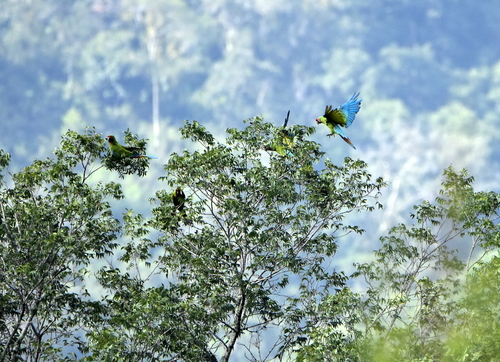
ミドリコンゴウインコ (Ara militaris) ミドリコンゴウインコ
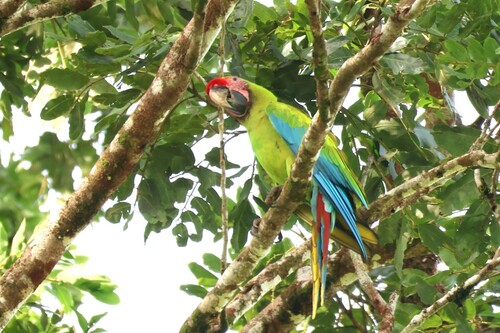
ヒワコンゴウインコ (Ara ambiguus) ヒワコンゴウインコ

メディア

読み込み中…

要点

ミドリコンゴウインコとヒワコンゴウインコを区別する最も信頼できるフィールドマークはサイズです:ヒワコンゴウインコは明らかに大きく、がっしりとしており、翼幅が長く、体が重いです。野外では、両種は主に緑色で赤い額と裸の白っぽい顔を持っていますが、ミドリコンゴウインコは全体的に小さく、暗い緑色で、完全に黒いくちばしを持っています。一方、ヒワコンゴウインコは淡い緑色で、より大きく、淡いくちばしの基部を持っています。両者は遠くから見ると似ていることがありますが、サイズ、くちばしの色、全体的な緑色の色合いに注意を払うことで、通常は識別が可能です。生息地も役立ちます:ミドリコンゴウインコは乾燥した落葉樹林を好み、ヒワコンゴウインコは湿った低地の森林に生息しています。

識別のコツ

  1. サイズが最良のフィールドマークです: ヒワコンゴウインコはミドリコンゴウインコよりも明らかに大きく、がっしりしています。一緒に見たり、既知のサイズの基準と一緒に見たりすると、違いは明らかです。これはすべての年齢と性別に当てはまります。
  2. くちばしの色: ミドリコンゴウインコは完全に黒またはスレートグレーのくちばしを持っていますが、ヒワコンゴウインコは通常、上顎の基部が淡い角のような色をしています。これは近距離または良い光の下で見ることができます。
  3. 全体的な緑色の色合い: ミドリコンゴウインコはより深く、暗い緑色で、ヒワコンゴウインコは淡く、明るい緑色です。これは微妙で光の影響を受けることがありますが、直接比較する際には役立ちます。
  4. 赤い額の斑点: 両者は明るい赤い額を持っているので、これは診断的ではありません。
  5. 顔の皮膚: 両者は黒い縞模様のある裸の白っぽい顔を持っているので、これは信頼できる区別にはなりません。
  6. 飛行と尾羽: 両種は翼と尾に青と黄色を持っているので、これはフィールドでの強い区別にはなりません。
  7. 生息地: ミドリコンゴウインコは乾燥した、より開けた落葉樹林を好み、ヒワコンゴウインコは湿った低地の熱帯雨林に生息しています。生息地は補助的な手がかりとして使用し、主要なマークとしては使用しないでください。
  8. 地理的範囲: ミドリコンゴウインコはメキシコから北アルゼンチン/ボリビアまで分布していますが、ヒワコンゴウインコは中米と南米北部(ニカラグアからエクアドル)により制限されています。重複は限られていますが、コロンビアや隣接地域で可能です。
  9. 行動: 両種は社交的で騒がしく、しばしばペアや小グループで見られます。ヒワコンゴウインコは飛行中により重く、鈍重に見えることがあります。
  10. 声: 両者は大きく、騒々しいですが、違いは存在しますが、メモには詳細が記載されていないため、事前の経験がない限り声に頼らないでください。
  11. 虹彩の色: 両者は黄色の虹彩を持っており、区別にはなりません。
  12. 尾の長さ: ヒワコンゴウインコはその大きさのために尾が長く見えることがありますが、尾の色や形は信頼できる区別にはなりません。
  13. 飼育下: 両者は動物園や鳥類園で飼育されているため、非野生の環境での識別には文脈が重要です。
  14. 幼鳥/未成熟の羽毛: メモには年齢特有の翼や飛行パターンの違いは記載されていないため、幼鳥の羽毛に頼って区別しないでください。
  15. 羽毛の変異: ミドリコンゴウインコの亜種はサイズと色にわずかに違いがありますが、すべてヒワコンゴウインコよりも小さく、暗いです。

大きさ

ヒワコンゴウインコは2種の中で大きく、ミドリコンゴウインコよりも長さと翼幅が大きいです。ミドリコンゴウインコは通常、長さ70〜85 cm(28〜33インチ)、翼幅99〜110 cm(39〜43インチ)です [wikipedia]。ヒワコンゴウインコは直接比較で明らかに大きく、がっしりしていますが、提供されたメモには正確な数値は記載されていません。混合群れや並んでいる場合、ヒワコンゴウインコは尾が長く、胸が深く、全体的に重く見えます。

羽色

メモには、どちらの種についても年齢特有の幼鳥や未成熟の翼のパターンは記載されていないため、成人と一般的な羽毛に焦点を当てます。両種は主に緑色ですが、ミドリコンゴウインコはより深く、暗い緑色で、ヒワコンゴウインコは淡く、明るい緑色です。両者は額に明るい赤い斑点を持っていますが、ミドリコンゴウインコの顔は裸で白っぽく、黒い縞模様があり、くちばしは完全に黒っぽいスレートです。ヒワコンゴウインコも裸の白っぽい顔を持っていますが、上のくちばしの基部は淡い(しばしば角のような色)です。ミドリコンゴウインコの飛行と尾羽は淡い青と黄色です。ヒワコンゴウインコも似ていますが、その大きさと淡い緑の体のためにさらにカラフルに見えることがあります。両種は黄色の虹彩を持っています。色合いやくちばしの色の微妙な違いは、よく見たときに最も役立ちます。

行動

両種は強力な飛行者であり、ペアや小さな群れで見られることがあります。ヒワコンゴウインコはその大きさのために飛行中により重く、鈍重に見えることがあります。両種は存在する際に騒がしく目立ちます。餌を食べる行動は、両者が大きなナッツを割ったり、木の中で餌を探したりするため、区別するための信頼できるフィールドマークではありません。

生息環境

ミドリコンゴウインコは通常、乾燥した落葉樹林に生息し、特にメキシコや南アメリカ北部のより開けたまたは断片化された森林に見られます。ヒワコンゴウインコは湿った低地の森林の専門家であり、特にDipteryx oleifera(アルメンドロ)のような大きな突き出た木がある森林に生息し、ニカラグアから南アメリカ北部にかけて見られます。中米の湿った密な森林にいる場合、ヒワコンゴウインコの方が可能性が高く、乾燥した開けた森林、特に北に行くほど、ミドリコンゴウインコの方が可能性が高くなります。

声

メモには、2種の呼び声やコミュニケーションに違いがあることが記載されていますが、詳細は提供されていません。両者は大きく、騒々しいコンゴウインコであり、声だけでは信頼できるフィールドマークではありません。両種に非常に精通している場合を除き、声に頼らないでください。

より良い説明を送る

比較と同じ項目を使ってください。文章はすぐに公開されます。

The most reliable field mark to separate Military Macaw from Great Green Macaw is size: Great Green is distinctly larger and bulkier, with a longer wingspan and heavier build. In the field, both species are mostly green with red foreheads and bare whitish faces, but Military Macaw is smaller, darker green overall, and has a completely black bill, while Great Green Macaw is paler green, larger, and has a paler bill base. Both can look similar at a distance, but careful attention to size, bill color, and overall shade of green will usually clinch the ID. Habitat can also help: Military Macaw favors drier, deciduous forests, while Great Green Macaw is a bird of humid lowland forests.

  1. Size is the best field mark: Great Green Macaw is significantly larger and bulkier than Military Macaw. If seen together or with a known size reference, the difference is obvious. This works for all ages and sexes.
  2. Bill color: Military Macaw has a completely black or slate-grey bill, while Great Green Macaw usually has a paler, horn-colored base to the upper mandible. This is visible at close range or in good light.
  3. Overall green shade: Military Macaw is a deeper, darker green; Great Green Macaw is paler and brighter green. This can be subtle and affected by light, but is useful in direct comparison.
  4. Red forehead patch: Both have a bright red forehead, so this is not diagnostic.
  5. Facial skin: Both have bare whitish faces with black striations, so this is not a reliable separator.
  6. Flight and tail feathers: Both species have blue and yellow in the wings and tail, so this is not a strong separator in the field.
  7. Habitat: Military Macaw prefers drier, more open deciduous forests; Great Green Macaw is found in humid lowland rainforest. Use habitat as a supporting clue, not a primary mark.
  8. Geographic range: Military Macaw ranges from Mexico to northern Argentina/Bolivia; Great Green Macaw is more restricted to Central America and northern South America (Nicaragua to Ecuador). Overlap is limited but possible in Colombia and adjacent areas.
  9. Behavior: Both species are social, noisy, and often seen in pairs or small groups. Great Green Macaw may appear heavier and more ponderous in flight.
  10. Voice: Both are loud and raucous; differences exist but are not detailed in the notes, so do not rely on voice unless you have prior experience.
  11. Iris color: Both have yellow irises; not a separator.
  12. Tail length: Great Green Macaw may appear longer-tailed due to its larger size, but tail color and shape are not reliable separators.
  13. In captivity: Both are kept in zoos and aviaries, so context is important for ID in non-wild settings.
  14. Juvenile/immature plumage: No age-specific wing or flight pattern differences are described in the notes, so do not rely on juvenile plumage for separation.
  15. Plumage variation: Subspecies of Military Macaw vary slightly in size and color, but all are smaller and darker than Great Green Macaw.

Great Green Macaw is the larger of the two, with a length and wingspan exceeding that of Military Macaw. Military Macaw typically measures 70–85 cm (28–33 in) in length with a 99–110 cm (39–43 in) wingspan [wikipedia]. Great Green Macaw is noticeably larger and bulkier in direct comparison, though exact numbers are not given in the provided notes. In mixed flocks or side-by-side, Great Green will appear longer-tailed, deeper-chested, and heavier overall.

There are no age-specific juvenile or immature wing patterns described for either species in the notes, so focus is on adult and general plumage. Both species are predominantly green, but Military Macaw is a deeper, darker green, while Great Green Macaw is paler and brighter green. Both have a bright red patch on the forehead, but the face of Military Macaw is bare, whitish with black striations, and the bill is entirely blackish-slate. Great Green Macaw also has a bare whitish face, but with a paler (often horn-colored) upper bill base. Flight and tail feathers in Military Macaw are light blue and yellow; Great Green Macaw is similar but may appear even more colorful due to its size and paler green body. Both species have yellow irises. Subtle differences in shade and bill color are most useful when seen well.

Both species are strong fliers and may be seen in pairs or small flocks. Great Green Macaw may appear heavier and more ponderous in flight due to its size. Both species are noisy and conspicuous when present. Feeding behavior is not a reliable field mark for separation, as both crack large nuts and forage in trees.

Military Macaw is typically found in drier, deciduous forests, often in more open or fragmented woodland, especially in Mexico and northern South America. Great Green Macaw is a specialist of humid lowland forests, especially those with large emergent trees like Dipteryx oleifera (almendro), and is found from Nicaragua through northern South America. If you are in a humid, dense forest in Central America, Great Green Macaw is more likely; in drier, open woodland, especially further north, Military Macaw is more probable.

The notes mention that the two species differ in their calls and communication, but do not provide details. Both are loud, raucous macaws, and voice alone is not a reliable field mark unless you are very familiar with both species.

変更を破棄しますか?

保存していない編集があります。今離れると失われます。

ミドリコンゴウインコ · ヒワコンゴウインコ · 苦手な鳥