

Motmot

メキシコガモ 対 アメリカガモ

Anas diazi 対 Anas rubripes

メキシコガモとアメリカガモのクイズ
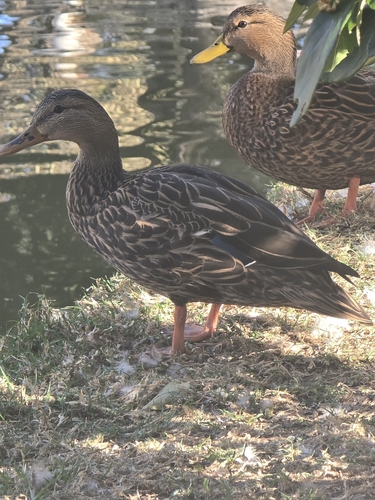
メキシコガモ (Anas diazi) メキシコガモ
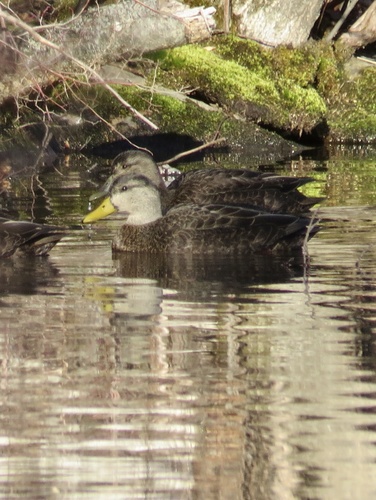
アメリカガモ (Anas rubripes) アメリカガモ

メディア

読み込み中…

要点

メキシコガモとアメリカガモを区別する最も信頼できるフィールドマークは、スペキュラムの色と縁取りです:メキシコガモは明らかな白で縁取られた青いスペキュラムを示し、アメリカガモのスペキュラムは主に黒い縁取りのある虹色の紫青色で、白い後縁が見られることは稀です。飛行中、アメリカガモは暗い下体と対照的な目立つ白い翼の下の縁を示し、これはメキシコガモには記載されていない特徴です。両種は構造と全体的な茶色の外観が似ていますが、アメリカガモは一般的により暗く、より大きく、頭と体のコントラストが強いです。くちばしの色も手助けになります:オスのメキシコガモは明るい黄色のくちばしを持ち、メスのアメリカガモは暗い模様のある鈍い緑のくちばしを持っています。幼鳥とメスの羽毛は特に難しいですが、スペキュラムと翼の下のパターンに注意を払うことが重要です。

識別のコツ

  1. Speculum color and edging: スペキュラム(翼の色のついた部分)を探してください。メキシコガモは前後に太い白い縁取りのある青いスペキュラムを持ち、静止時と飛行時の両方で見えます。アメリカガモのスペキュラムは紫青色で、主に黒で縁取られ、白い後縁が見られることは稀です。これはすべての羽毛において最も信頼できるマークです。
  2. Underwing contrast in flight: アメリカガモは暗い下体と上部に対して目立つ明るい白い翼の下の縁を示します。このコントラストはメキシコガモには記載されていないため、白い翼の下はアメリカガモを示す強い指標です。
  3. Overall darkness: アメリカガモは一般的により暗く、より均一です、特に体において。メキシコガモは茶色ですが、より暗くなく、コントラストも少ないです。
  4. Head and throat pattern: アメリカガモは体よりもわずかに明るい茶色の頭を持ち、頬と喉に縞模様があり、暗い冠のストライプがあります。メキシコガモはこの強いコントラストと縞模様が欠けています。
  5. Bill color (by sex): オスのメキシコガモは明るい黄色のくちばしを持ち、メスは鈍い黄色です。アメリカガモのオスは黄色のくちばしを持ちますが、メスは上顎に暗い模様のある鈍い緑のくちばしを持っています。このマークは、鳥を確実に性別を判断できる場合にのみ使用してください。
  6. Juvenile plumage: 幼鳥のアメリカガモは成鳥のメスに似ていますが、下部に細い淡い縁があり、縞模様のある(スカロップではない)外観を持ち、全体的に成鳥よりも茶色です。幼鳥のメキシコガモは明確に記載されていませんが、成鳥のメスに似ている可能性があり、マガモと混同されることがあります。
  7. Feet color in juveniles: 幼鳥のオスのアメリカガモは茶色がかったオレンジ色の足を持ち、幼鳥のメスはより茶色の足を持っています。このマークは微妙で、常に見えるわけではありません。
  8. Size and bulk: アメリカガモはより重く、わずかに長いですが、その違いは微妙で、鳥が並んでいない限り信頼できません。
  9. Habitat and range: 南西部(アリゾナ州、ニューメキシコ州、北メキシコ)にいる場合、メキシコガモが期待されます。北東部、大湖、または大西洋沿岸では、アメリカガモがデフォルトです。範囲外の記録は稀です。
  10. Voice: 両種はマガモのような鳴き声を持ち、メスのアメリカガモは音程が下がる大きなクワックの連続を出しますが、これは信頼できる区別マークではありません。
  11. Hybrid confusion: 両種はマガモと交雑することができ、ハイブリッドは特にスペキュラムとくちばしの色において中間的な特徴を示すことがあります。奇妙な外見の鳥には注意してください。
  12. Sexual dimorphism: 両種は限られた性的二形性を示し、くちばしの色が主な違いですが、全体的な体の羽毛は両種の性別間で似ています。
  13. Comparison to マガモ: 両種はメスまたはエクリプスのマガモと混同されることがあります。スペキュラムの色と縁取り、全体的な暗さに焦点を当てて、この落とし穴を避けてください。
  14. Perched vs. in flight: スペキュラムと翼の下のマークは、止まっている鳥と飛んでいる鳥の両方で見えますが、アメリカガモの翼の下のコントラストは飛行中に最もよく見えます。
  15. Lighting conditions: 光が悪い場合、スペキュラムの色を判断するのが難しいことがあります。白い縁の有無を主要な特徴として探してください。

大きさ

アメリカガモは2種の中でより重く、わずかに大きく、平均約1180g(最大1640gまで)で、長さは54〜59cmです。メキシコガモはやや小さく、45〜55cm、849〜1243gです。フィールドでは、このサイズの違いは微妙で、鳥が並んでいない限り見逃されやすいですが、アメリカガモはしばしばより大きく、長い翼を持っているように見えます。

羽色

行動

両種は同様の採餌と泳ぎの行動を持つダブリングダックです。フィールドでの区別に関して、特に行動の違いは記載されていません。

生息環境

メキシコガモはメキシコと南西部のアメリカ合衆国に生息しており、アメリカガモは北アメリカ東部に自生し、サスカチュワンから大西洋まで繁殖し、主に米国の東中央部、特に沿岸地域で越冬します。重複は稀で、珍しい迷子や飼育を除いては起こりません。南西部にいる場合、メキシコガモが期待されます。北東部や大湖では、アメリカガモがデフォルトです。

声

両種はマガモに似た鳴き声を持ち、メスのアメリカガモは音程が下がる大きなクワックの連続を出します。メキシコガモには特に声の違いは記載されていないため、声は区別のための信頼できるフィールドマークではありません。

より良い説明を送る

比較と同じ項目を使ってください。文章はすぐに公開されます。

The most reliable field mark to separate Mexican Duck from American Black Duck is the color and edging of the speculum: Mexican Duck shows a blue speculum bordered with obvious white, while American Black Duck’s speculum is iridescent violet-blue with mostly black margins and rarely a white trailing edge. In flight, American Black Duck also shows a striking white underwing lining contrasting with a dark underbody, a feature not described for Mexican Duck. Both species are similar in structure and overall brown appearance, but American Black Duck is generally darker and bulkier, with more contrast between head and body. Bill color can help: male Mexican Ducks have a brighter yellow bill, while female American Black Ducks have a dull green bill with dark markings. Juvenile and female plumages are especially tricky, but careful attention to speculum and underwing pattern is key.

  1. Speculum color and edging: Look for the speculum (colored patch on the wing). Mexican Duck has a blue speculum with bold white borders front and rear, visible both at rest and in flight. American Black Duck’s speculum is violet-blue, bordered mostly by black, and rarely shows a white trailing edge. This is the single most reliable mark in all plumages.
  2. Underwing contrast in flight: American Black Duck shows a bright white underwing lining that stands out against a dark underbody and upperparts. This contrast is not described for Mexican Duck, so a white underwing is a strong pointer to Black Duck.
  3. Overall darkness: American Black Duck is generally darker and more uniform, especially on the body. Mexican Duck is brown but less dark and less contrasting.
  4. Head and throat pattern: American Black Duck has a brown head slightly paler than the body, with streaked cheeks and throat and a dark crown stripe. Mexican Duck lacks this strong contrast and streaking.
  5. Bill color (by sex): Male Mexican Ducks have a bright yellow bill; females are duller yellow. American Black Duck males have a yellow bill, but females have a dull green bill with dark markings on the upper mandible. Use this mark only if you can sex the bird reliably.
  6. Juvenile plumage: Juvenile American Black Ducks are browner than adults, with broken pale edges on underpart feathers (streaked look). Juvenile Mexican Ducks are not distinctly described, but likely resemble adult females and can be confused with Mallards.
  7. Feet color in juveniles: Juvenile male American Black Ducks have brownish-orange feet, while juvenile females have browner feet. This mark is subtle and not always visible.
  8. Size and bulk: American Black Duck is heavier and slightly longer, but the difference is subtle and not reliable unless birds are side by side.
  9. Habitat and range: If you are in the Southwest (Arizona, New Mexico, northern Mexico), Mexican Duck is expected. In the Northeast, Great Lakes, or Atlantic coast, American Black Duck is the default. Out-of-range records are rare.
  10. Voice: Both species have Mallard-like calls; female Black Duck gives a loud quack series falling in pitch, but this is not a reliable separation mark.
  11. Hybrid confusion: Both species can hybridize with Mallard, and hybrids may show intermediate features, especially in speculum and bill color. Be cautious with odd-looking birds.
  12. Sexual dimorphism: Both species show limited sexual dimorphism; bill color is the main difference, but overall body plumage is similar between sexes in both species.
  13. Comparison to Mallard: Both species can be confused with female or eclipse Mallards. Focus on speculum color and edging, and overall darkness, to avoid this pitfall.
  14. Perched vs. in flight: Speculum and underwing marks are visible in both perched and flying birds, but underwing contrast is best seen in flight for American Black Duck.
  15. Lighting conditions: In poor light, the speculum color may be hard to judge. Look for the presence or absence of white borders as the key feature.

American Black Duck is the heavier and slightly larger of the two, averaging about 1180 g (with a range up to 1640 g) and measuring 54–59 cm in length. Mexican Duck is somewhat smaller, at 45–55 cm and 849–1243 g. In the field, this size difference is subtle and easily missed unless the birds are side by side, but American Black Duck often appears bulkier and longer-winged.

  • Juvenile/immature plumage: Juvenile American Black Ducks resemble adult females but have broken, narrow, pale edges on the underparts, giving a streaked (not scalloped) look, and are overall browner than adults. Juvenile males have brownish-orange feet, and juvenile females have brownish feet and a dusky greyish-green bill. No distinctive juvenile upperwing pattern is described for Mexican Duck, but both species’ young can be confusingly similar to female Mallards.

  • Speculum: Mexican Duck shows a blue speculum with obvious white edging (both front and rear) visible at rest and in flight. American Black Duck’s speculum is iridescent violet-blue, bordered mostly by black, rarely with a white trailing edge, and lacks the prominent white borders of Mexican Duck.

  • Underwing: In flight, American Black Duck shows a white underwing lining contrasting with a blackish underbody and upperparts. This strong contrast is not described for Mexican Duck.

  • Body and head: American Black Duck is overall darker, with a brown head slightly paler than the body, and streaked cheeks and throat. Mexican Duck is mainly brown and less contrasting, with no mention of the darker body vs paler head contrast.

  • Bill color: Male Mexican Ducks have a brighter yellow bill, while female American Black Ducks have a dull green bill with dark marks on the upper mandible. Female Mexican Ducks’ bills are duller yellow.

Both species are dabbling ducks with similar feeding and swimming behavior. No distinctive behavioral differences are described in the sources for field separation.

Mexican Duck is found in Mexico and the southwestern United States, while American Black Duck is native to eastern North America, breeding from Saskatchewan to the Atlantic and wintering mainly in the east-central US, especially coastal areas. Overlap is unlikely except in rare vagrancy or captivity. If you are in the Southwest, Mexican Duck is expected; in the Northeast or Great Lakes, American Black Duck is the default.

Both species have calls similar to Mallard, with the female American Black Duck producing a loud sequence of quacks that fall in pitch. No distinctive vocal differences are described for Mexican Duck, so voice is not a reliable field mark for separation.

変更を破棄しますか?

保存していない編集があります。今離れると失われます。

メキシコガモ · アメリカガモ · 苦手な鳥