

Motmot

Mediterranean Short-toed Lark 対 Turkestan Short-toed Lark

Alaudala rufescens 対 Alaudala heinei

Mediterranean Short-toed LarkとTurkestan Short-toed Larkのクイズ
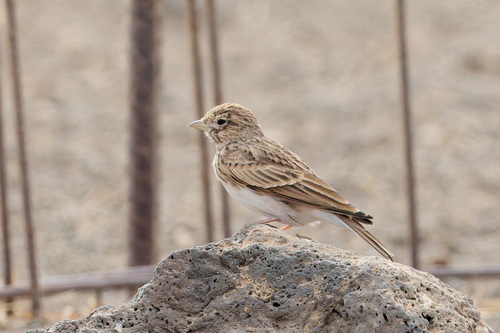
Mediterranean Short-toed Lark (Alaudala rufescens) Mediterranean Short-toed Lark
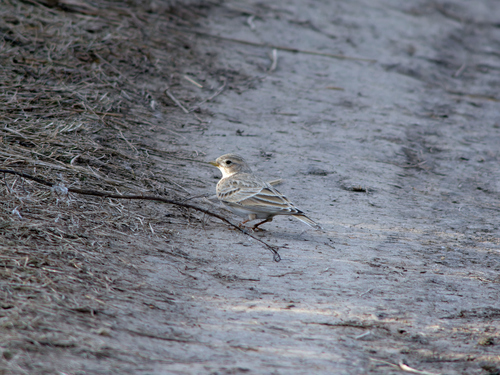
Turkestan Short-toed Lark (Alaudala heinei) Turkestan Short-toed Lark

メディア

読み込み中…

要点

地中海短趾ヒバリとトルキスタン短趾ヒバリの最も信頼できるフィールドでの識別は微妙で、構造と胸の模様に注意を払うことに依存しています。地中海短趾ヒバリは一般的に全体的に鈍い色合いで、より重い縞模様の胸と、より短く、円錐形でないくちばしを持ち、より小さく、丸い頭と組み合わさっています。両種はサイズと色合いが似ており、色だけでは信頼できる識別マークにはなりません。フィールドでは、胸の縞模様、くちばし/頭の形、そしてもし聞こえた場合は、地中海短趾ヒバリのより豊かで多様な歌に焦点を当ててください。両種は全体的な印象が重なり合い、近くで見ることなしには非常に識別が難しい場合があります。

識別のコツ

  1. 胸の縞模様: 地中海短趾ヒバリはトルキスタンよりも胸に細かく、広範囲にわたる縞模様を示します。これは近距離で止まっている鳥に最も有用です。
  2. くちばしの形: 地中海はトルキスタンのやや長く、より円錐形のくちばしに比べて、短く、円錐形でないくちばしを持っています。これは微妙で、横から見ると最も判断しやすいです。
  3. 頭の形: 地中海の頭は小さくて丸いですが、トルキスタンはやや大きく、丸みが少ない頭に見えることがあります。これはくちばしの形と組み合わせて使用してください。
  4. 全体的な色合い: 地中海は一般的に上面が鈍いですが、色は両種内で変動し、単独では信頼できるマークではありません。
  5. 眉斑: 両種は淡い眉斑を持っていますが、これは識別の特徴ではありません。
  6. 首の斑点: 両種は他のいくつかのヒバリに見られる強い暗い首の斑点を欠いています。このマークを使ってこれら二つを分けないでください。
  7. 上面の縞模様: 両者は上面が暗い縞模様の灰褐色であるため、これは識別には役立ちません。
  8. 下面の色: 両者は下面が白ですが、色よりも模様(縞模様)に焦点を当ててください。
  9. 歌: 地中海の歌はより豊かで多様で、模倣的です。複雑で旋律的な歌が聞こえた場合、これは地中海を支持しますが、変動と重なりに注意してください。
  10. 分布と生息地: 地中海盆地にいる場合、地中海短趾ヒバリが期待されます。中央アジアのさらに東では、トルキスタンがより可能性があります。重なり合う地域では、分布だけに頼らないでください。
  11. 性別と年齢: 両種の性別は似ています。年齢特有の上翼や飛行のマークは記載されていないため、すべての年齢に対して胸と頭の構造に焦点を当ててください。
  12. 飛行中: これら二つのための特有の飛行や上翼のパターンの違いは記載されていません。近くで詳細に見ることなしには、飛行中の識別は非常に難しいです。
  13. 印象: 両種は似たような全体的な印象を共有しています。構造(くちばしと頭)と胸の模様が最良の手がかりです。
  14. 羽毛の落とし穴: 各種内の変動はかなりのものがあるため、マークの組み合わせを使用し、単一の特徴に頼ることを避けてください。
  15. 他のヒバリとの混同: 両種はカランドレラヒバリと混同されることがありますが、それらは異なる首の斑点とくちばし/頭の構造を持っています。これはこれら二つを分けるためには関連性がありません。

大きさ

両種はサイズが非常に似ており、地中海短趾ヒバリは長さが13〜14 cmに達します。これら二つの間に有意なサイズの違いは証拠がなく、両性はサイズが似ています。くちばしのサイズと頭の形は、全体的な体長よりも識別に役立ちます。

羽色

羽毛の違いは微妙で、止まっている鳥を近距離で評価するのが最適です。地中海短趾ヒバリは一般的に上面が鈍く、トルキスタン短趾ヒバリに比べてより縞模様の胸を持っています。両者は暗い縞模様の灰褐色の上面と白い下面を持っていますが、地中海はより細かく、広範囲にわたる胸の縞模様を示します。両種は淡い眉斑を持ち、強い首の斑点を欠いています。色合いは両種内で大きく変動するため、全体的なトーンに頼らないでください。いずれの種についても幼鳥や未熟な上翼のパターンに関する特定のノートはないため、すべての年齢において胸と頭の詳細に焦点を当ててください。

行動

行動はこれら二種の間で診断的に記載されていません。両者は典型的な短趾ヒバリであり、開けた生息地で地面を採餌しているのが見られる可能性が高く、動かされると跳ねるように飛び立つことがあります。

生息環境

地中海短趾ヒバリは地中海盆地の周辺、カナリア諸島とイベリア半島から北アフリカおよび中東の一部にかけて見られます。トルキスタン短趾ヒバリはさらに東、ウクライナと中央トルコから中央アジアおよび南シベリアを経てモンゴルとアフガニスタンにかけて生息しています。トルコの一部で分布が重なることがありますが、生息地だけでは両者が生息する場所では診断的ではありません。両種は開けた乾燥した生息地を好みます。

声

地中海短趾ヒバリの歌は、トルキスタン短趾ヒバリを含む近縁種のものよりも豊かで多様で模倣的であると記載されています。複雑で多様な歌が聞こえた場合、これは地中海を支持しますが、両種は似たような鳴き声を持つ可能性があるため、フィールド経験が必要です。

より良い説明を送る

比較と同じ項目を使ってください。文章はすぐに公開されます。

The most reliable field separation between Mediterranean Short-toed Lark and Turkestan Short-toed Lark is subtle and relies on careful attention to structure and breast pattern. Mediterranean Short-toed Lark is generally duller overall, with a more heavily streaked breast and a shorter, less-conical bill paired with a smaller, rounder head. Both species are similar in size and coloration, and color alone is not a dependable mark. In the field, focus on the breast streaking, bill/head shape, and, if heard, the richer, more varied song of Mediterranean Short-toed Lark. Both species overlap in overall jizz and can be very challenging to separate without close views.

  1. Breast streaking: Mediterranean Short-toed Lark shows finer, more extensive streaking across the breast than Turkestan. This is most useful on perched birds at close range.
  2. Bill shape: Mediterranean has a shorter, less-conical bill compared to the slightly longer, more conical bill of Turkestan. This can be subtle and is best judged in profile.
  3. Head shape: Mediterranean's head is smaller and rounder, while Turkestan may appear to have a slightly larger, less rounded head. Use this in combination with bill shape.
  4. Overall coloration: Mediterranean is generally duller above, but color varies within both species and is not a reliable mark on its own.
  5. Supercilium: Both species have a pale supercilium; this is not a separating feature.
  6. Neck patches: Both species lack the strong dark neck patches seen in some other larks; do not use this mark to separate these two.
  7. Upperparts streaking: Both are dark-streaked greyish-brown above, so this is not useful for separation.
  8. Underparts color: Both are white below; focus on the pattern (streaking) rather than color.
  9. Song: Mediterranean's song is richer, more varied, and imitative. If you hear a complex, melodious song, this supports Mediterranean, but beware of variation and overlap.
  10. Range and habitat: If you are in the Mediterranean Basin, Mediterranean Short-toed Lark is expected; further east in Central Asia, Turkestan is more likely. In areas of overlap, do not rely on range alone.
  11. Sex and age: Sexes are similar in both species. No age-specific upperwing or flight marks are described, so focus on breast and head structure for all ages.
  12. In flight: No distinctive flight or upperwing pattern differences are noted for these two; separation in flight is extremely difficult without close, detailed views.
  13. Jizz: Both species share a similar overall jizz; structure (bill and head) and breast pattern are the best clues.
  14. Plumage pitfalls: Variation within each species can be considerable, so use a combination of marks and avoid relying on a single feature.
  15. Confusion with other larks: Both species can be confused with Calandrella larks, but those have different neck patch and bill/head structure; this is not relevant for separating these two.

Both species are very similar in size, with Mediterranean Short-toed Lark reaching 13–14 cm in length. There is no evidence of a significant size difference between these two, and both sexes are alike in size. Bill size and head shape are more useful than overall body length for separation.

Plumage differences are subtle and best assessed on perched birds at close range. Mediterranean Short-toed Lark is generally duller above, with a more streaked breast compared to Turkestan Short-toed Lark. Both have dark-streaked greyish-brown upperparts and white underparts, but Mediterranean shows finer, more extensive breast streaking. Both species have a pale supercilium and lack strong neck patches. Coloration varies greatly within both species, so do not rely on overall tone. There are no specific notes on juvenile or immature upperwing patterns for either species, so focus on breast and head details in all ages.

Behavior is not described as diagnostic between these two species. Both are typical short-toed larks, likely to be seen foraging on the ground in open habitats and may flush with bounding flight when disturbed.

Mediterranean Short-toed Lark is found in and around the Mediterranean Basin, from the Canary Islands and Iberian Peninsula through North Africa and parts of the Middle East. Turkestan Short-toed Lark occurs further east, from Ukraine and central Turkey through Central Asia and southern Siberia to Mongolia and Afghanistan. While ranges overlap in parts of Turkey, habitat alone is not diagnostic where both may occur. Both species favor open, dry habitats.

Mediterranean Short-toed Lark has a song described as richer, more varied, and more imitative than that of its close relatives, including Turkestan Short-toed Lark. If you hear a complex, varied song, this favors Mediterranean, but field experience is needed as both species may have similar calls.

変更を破棄しますか?

保存していない編集があります。今離れると失われます。

Mediterranean Short-toed Lark · Turkestan Short-toed Lark · 苦手な鳥