

Calandrina vs Turkestan Short-toed Lark
Alaudala rufescens contro Alaudala heinei
Fai un quiz con Calandrina e Turkestan Short-toed Lark
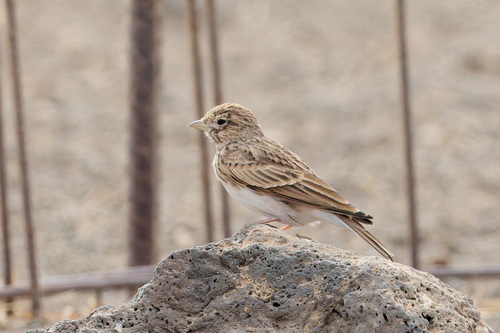 Calandrina
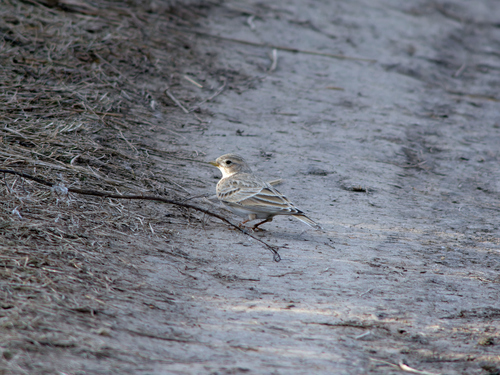 Turkestan Short-toed Lark
In breve
La separazione sul campo più affidabile tra Calandrina e Turkestan Short-toed Lark è sottile e si basa su un'attenta attenzione alla struttura e al motivo del petto. Calandrina è generalmente più opaca nel complesso, con un petto più marcato e un becco più corto e meno conico abbinato a una testa più piccola e rotonda. Entrambe le specie sono simili in dimensioni e colorazione, e il colore da solo non è un segno affidabile. Sul campo, concentrati sulle striature del petto, sulla forma del becco/testa e, se udito, sul canto più ricco e variegato di Calandrina. Entrambe le specie si sovrappongono nel complesso aspetto e possono essere molto difficili da separare senza viste ravvicinate.
Consigli di identificazione
- Striature del petto: Calandrina mostra striature più fini e più estese sul petto rispetto a Turkestan. Questo è più utile su uccelli posati a distanza ravvicinata.
- Forma del becco: Calandrina ha un becco più corto e meno conico rispetto al becco leggermente più lungo e più conico di Turkestan. Questo può essere sottile ed è meglio giudicato di profilo.
- Forma della testa: La testa di Calandrina è più piccola e rotonda, mentre Turkestan può apparire avere una testa leggermente più grande e meno rotonda. Usa questo in combinazione con la forma del becco.
- Colorazione complessiva: Calandrina è generalmente più opaca sopra, ma il colore varia all'interno di entrambe le specie e non è un segno affidabile da solo.
- Supercilium: Entrambe le specie hanno un supercilium pallido; questa non è una caratteristica distintiva.
- Macchie sul collo: Entrambe le specie mancano delle forti macchie scure sul collo viste in alcune altre allodole; non usare questo segno per separare queste due.
- Striature delle parti superiori: Entrambe sono grigio-marroni scure sopra, quindi questo non è utile per la separazione.
- Colore delle parti inferiori: Entrambe sono bianche sotto; concentrati sul motivo (striature) piuttosto che sul colore.
- Canto: Il canto di Calandrina è più ricco, più variegato e imitatore. Se senti un canto complesso e melodioso, questo supporta Calandrina, ma fai attenzione alla variazione e alla sovrapposizione.
- Distribuzione e habitat: Se ti trovi nel Bacino del Mediterraneo, è attesa Calandrina; più a est in Asia Centrale, è più probabile Turkestan. Nelle aree di sovrapposizione, non fare affidamento solo sulla distribuzione.
- Sesso e età: I sessi sono simili in entrambe le specie. Non sono descritti segni specifici per l'età sulle ali superiori o sul volo, quindi concentrati sulla struttura del petto e della testa per tutte le età.
- In volo: Non sono notate differenze distintive nel volo o nei modelli delle ali superiori per queste due; la separazione in volo è estremamente difficile senza viste ravvicinate e dettagliate.
- Aspetto generale: Entrambe le specie condividono un aspetto generale simile; la struttura (becco e testa) e il motivo del petto sono i migliori indizi.
- Trappole del piumaggio: La variazione all'interno di ciascuna specie può essere considerevole, quindi usa una combinazione di segni ed evita di fare affidamento su una singola caratteristica.
- Confusione con altre allodole: Entrambe le specie possono essere confuse con le allodole di Calandrella, ma queste hanno una diversa struttura delle macchie sul collo e del becco/testa; questo non è rilevante per separare queste due.
Taglia
Entrambe le specie sono molto simili in dimensioni, con Calandrina che raggiunge i 13–14 cm di lunghezza. Non ci sono prove di una differenza di dimensioni significativa tra queste due, e entrambi i sessi sono simili in dimensioni. La dimensione del becco e la forma della testa sono più utili della lunghezza complessiva del corpo per la separazione.
Piumaggio
Le differenze nel piumaggio sono sottili e meglio valutate su uccelli posati a distanza ravvicinata. Calandrina è generalmente più opaca sopra, con un petto più striato rispetto a Turkestan Short-toed Lark. Entrambe hanno parti superiori grigio-marroni scure striate e parti inferiori bianche, ma Calandrina mostra striature del petto più fini e più estese. Entrambe le specie hanno un supercilium pallido e mancano di forti macchie sul collo. La colorazione varia notevolmente all'interno di entrambe le specie, quindi non fare affidamento sul tono complessivo. Non ci sono note specifiche sui modelli delle ali superiori per i giovani o gli immaturi per nessuna delle due specie, quindi concentrati sui dettagli del petto e della testa in tutte le età.
Comportamento
Il comportamento non è descritto come diagnostico tra queste due specie. Entrambe sono tipiche allodole a dita corte, probabilmente viste foraggiare a terra in habitat aperti e possono alzarsi in volo con un volo saltellante quando disturbate.
Habitat
Calandrina si trova nel Bacino del Mediterraneo e nelle sue vicinanze, dalle Isole Canarie e dalla Penisola Iberica attraverso il Nord Africa e parti del Medio Oriente. Turkestan Short-toed Lark si verifica più a est, dall'Ucraina e dalla Turchia centrale attraverso l'Asia Centrale e la Siberia meridionale fino alla Mongolia e all'Afghanistan. Sebbene le aree di distribuzione si sovrappongano in alcune parti della Turchia, l'habitat da solo non è diagnostico dove entrambe possono verificarsi. Entrambe le specie preferiscono habitat aperti e asciutti.
Voce
Calandrina ha un canto descritto come più ricco, più variegato e più imitatore rispetto a quello dei suoi parenti più stretti, inclusa Turkestan Short-toed Lark. Se senti un canto complesso e variegato, questo favorisce Calandrina, ma è necessaria esperienza sul campo poiché entrambe le specie possono avere richiami simili.
Calandrina · Turkestan Short-toed Lark · I miei uccelli difficili