

Motmot

モーリシャスチョウゲンボウ 対 オナガハヤブサ

Falco punctatus 対 Falco femoralis

モーリシャスチョウゲンボウとオナガハヤブサのクイズ
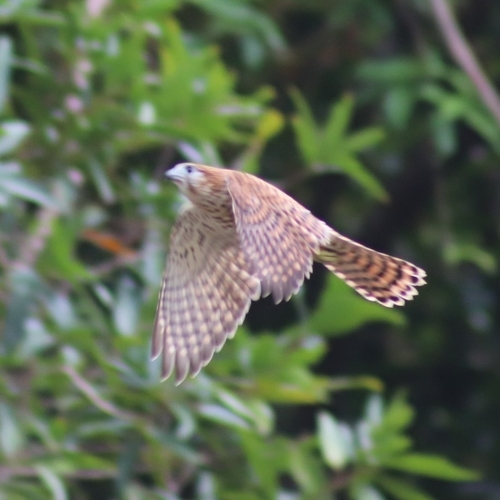
モーリシャスチョウゲンボウ (Falco punctatus) モーリシャスチョウゲンボウ
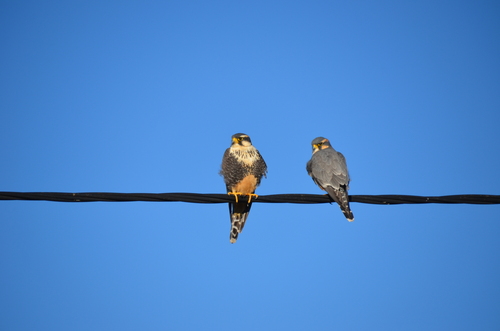
オナガハヤブサ (Falco femoralis) オナガハヤブサ

メディア

読み込み中…

要点

モーリシャスチョウゲンボウとオナガハヤブサの最も信頼できるフィールドマークは、全体の構造と翼の形状です:モーリシャスチョウゲンボウはコンパクトで短い翼を持ち、丸みを帯びたハヤブサですが、オナガハヤブサは長い翼、長い尾を持ち、はるかに細身です。飛行中、オナガハヤブサは目を引くほど長い帯状の尾と尖った翼を示し、モーリシャスチョウゲンボウは広く丸い翼と短い尾を持っています。成鳥と幼鳥の羽毛も異なります:オナガハヤブサは大胆な黒、白、シナモンの模様を持ち、強い顔のマスクと黒い腹帯を含みますが、モーリシャスチョウゲンボウはより地味で、そんなに鮮明なコントラストはありません。生息地も強い手がかりです:モーリシャスチョウゲンボウはモーリシャスの森林に囲まれた渓谷に限定されているのに対し、オナガハヤブサはアメリカの開けた国の鳥です。サイズも要因で、オナガハヤブサはほぼ2倍の重さで、はるかに長い翼を持っています。

識別のコツ

  1. Wing and tail shape in flight: オナガハヤブサは長く尖った翼と長い帯状の尾を持ち、モーリシャスチョウゲンボウは短く丸い翼と短い尾を持っています。これはすべての年齢での最も良いマークです。
  2. Overall structure: オナガは細身で長く、止まっている時も飛んでいる時もそうです;モーリシャスチョウゲンボウはコンパクトで、広い胸を持ち、短い翼の外観です。
  3. Facial pattern: 成鳥と幼鳥のオナガハヤブサは、強い口ひげと白い眉斑を持つ大胆な黒と白の顔を示します;モーリシャスチョウゲンボウはこれがなく、はるかに地味な顔をしています。
  4. Belly and breast pattern: オナガは黒い腹帯とシナモンの下部を持っています;モーリシャスチョウゲンボウは黒い腹帯がなく、一般的に地味です。
  5. Tail pattern: オナガの尾は黒で、狭い白または灰色の帯と白い先端があります;モーリシャスチョウゲンボウの尾は短く、あまり明確に帯がありません。
  6. Upperwing in flight: オナガの翼は長く尖っており、成鳥では暗い青灰色のトーンがあります;モーリシャスチョウゲンボウの翼は丸く、強い色のコントラストがありません。
  7. Juvenile plumage: 幼鳥のオナガは成鳥に似ていますが、より鈍い色合いで、バフィホワイトの部分と淡いシナモンがあります;モーリシャスチョウゲンボウの幼鳥は大胆な顔や腹帯を示さず、全体的に地味です。
  8. Sex differences: 両種とも雌が雄より大きいですが、これは信頼できるフィールドマークではありません。
  9. Perched posture: オナガはしばしば直立して細長く見えます;モーリシャスチョウゲンボウはより丸まっていてコンパクトです。
  10. Habitat: モーリシャスチョウゲンボウはモーリシャスの森林に囲まれた渓谷と崖にのみ生息し、他の生息地では見られません;オナガはアメリカの開けた国や都市部に生息します。
  11. Behavior: オナガは空を舞い、翼で狩りをし、ペアで見られることがあります;モーリシャスチョウゲンボウは止まり木から狩りをし、短い飛行を行います。
  12. Size: オナガはほぼ2倍の重さで、はるかに長い翼を持っています;これは並んで見た場合や馴染みのある種と一緒に見た場合に使用します。
  13. Bill and feet color: オナガは黄色または黄色がかったオレンジの嘴、目の周り、足を持っています;モーリシャスチョウゲンボウの柔らかい部分の色はフィールドではあまり特徴的ではありません。
  14. Confusion risk: 大胆な顔のマスク、黒い腹帯、長く尖った翼を持つハヤブサを見たら、それはオナガです;コンパクトで地味な翼を持つ丸いハヤブサを見たら、それはモーリシャスチョウゲンボウです。
  15. Pitfalls: 未成熟のオナガは鈍く見えることがありますが、長い翼、長い尾、顔の模様は示します。モーリシャスチョウゲンボウはオナガの構造や大胆な模様を示すことはありません。

大きさ

オナガハヤブサはモーリシャスチョウゲンボウよりもかなり大きく、重いです。オナガは平均333.5gの体重で、長さは30〜40cm、翼幅は約90cmで、長く細身のハヤブサです。モーリシャスチョウゲンボウははるかに小さく、がっしりしており、平均169.5g、長さは26〜30.5cm、翼幅は約45cmです。フィールドでは、オナガの長く尖った翼と長い尾が明らかで、モーリシャスチョウゲンボウはコンパクトで短い翼に見えます。

羽色

幼鳥のオナガハヤブサは成鳥に似ていますが鈍い色合いです:上面と腹帯は黒っぽい茶色で、胸は縞模様があり、白い部分はバフィホワイトです。成鳥は大胆な黒と白の顔、白い喉、黒い腹帯、シナモンの下部を持ち、黒い尾は白で帯状です。すべての年齢のモーリシャスチョウゲンボウはこれらの大胆なコントラストが欠けており、一般的に地味で、強い顔の模様、黒い腹帯、シナモンの腹がありません。モーリシャスチョウゲンボウの翼は丸く、尖っておらず、尾は短く、あまり明確に帯がありません。これらの違いは、止まっている鳥と飛んでいる鳥の両方で見られますが、特に飛行中に、オナガの長く尖った翼と長い帯状の尾がモーリシャスチョウゲンボウのコンパクトで丸い翼の形状に対して際立っています。

行動

オナガハヤブサはしばしば開けた場所で舞い上がったり狩りをしたりしているのが見られ、時にはペアで、大きな哺乳類や火を追って獲物を追い出すことがあります。敏捷で速く、しばしば翼で狩りをします。モーリシャスチョウゲンボウはより秘密主義で、通常は止まり木から狩りをしたり、森林の渓谷や崖で短い直接的な飛行を行います。その飛行は短く丸い翼のために浮遊感が少なく、よりフラッター気味です。これらの行動の違いは、オナガが活発で目立つ開けた国と、モーリシャスチョウゲンボウが密な森林やその縁を好むことが最も明らかです。

生息環境

モーリシャスチョウゲンボウは南西モーリシャスの森林、崖、渓谷に厳密に制限されており、この生息地の外では見られません。オナガハヤブサは開けた生息地の鳥です:乾燥した草原、サバンナ、湿地、さらには南アメリカの都市部でも見られます。密な森林では決して見られません。したがって、生息地だけで彼らを区別するのに十分なことが多く、捕獲中や迷子で見られない限りです。

より良い説明を送る

比較と同じ項目を使ってください。文章はすぐに公開されます。

The most reliable field mark between Mauritius Kestrel and Aplomado Falcon is overall structure and wing shape: Mauritius Kestrel is a compact, short-winged, and rounded falcon, while Aplomado Falcon is long-winged, long-tailed, and much more slender. In flight, Aplomado shows a strikingly long, banded tail and pointed wings, while Mauritius Kestrel has broad, rounded wings and a shorter tail. Adult and juvenile plumages are also distinct: Aplomado Falcons have bold black, white, and cinnamon patterns, including a strong facial mask and black belly band, while Mauritius Kestrel is plainer and lacks such crisp contrasts. Habitat is a strong clue: Mauritius Kestrel is restricted to forested ravines of Mauritius, while Aplomado Falcon is a bird of open country in the Americas. Size is also a factor, with Aplomado Falcon being nearly twice as heavy and much longer-winged.

  1. Wing and tail shape in flight: Aplomado Falcon has long, pointed wings and a long, banded tail; Mauritius Kestrel has short, rounded wings and a short tail. This is the single best mark in all ages.
  2. Overall structure: Aplomado is slender and elongated, both perched and in flight; Mauritius Kestrel is compact, with a broad-chested, short-winged look.
  3. Facial pattern: Adult and juvenile Aplomado Falcons show a bold black-and-white face with a strong moustache and white supercilium; Mauritius Kestrel lacks this, showing a much plainer face.
  4. Belly and breast pattern: Aplomado has a black belly band and cinnamon underparts; Mauritius Kestrel lacks a black belly band and is generally plainer below.
  5. Tail pattern: Aplomado's tail is black with narrow white or grey bars and a white tip; Mauritius Kestrel's tail is shorter and less distinctly barred.
  6. Upperwing in flight: Aplomado's wings are long and pointed, with a dark blue-grey tone in adults; Mauritius Kestrel's wings are rounded and lack strong color contrast.
  7. Juvenile plumage: Juvenile Aplomado is similar to adult but duller, with buffy white areas and paler cinnamon; Mauritius Kestrel juveniles do not show the bold face or belly band, remaining overall plain.
  8. Sex differences: Both species show females larger than males, but this is not a reliable field mark.
  9. Perched posture: Aplomado often appears upright and elongated; Mauritius Kestrel is more hunched and compact.
  10. Habitat: Mauritius Kestrel is only in forested ravines and cliffs on Mauritius; Aplomado is in open country or urban areas in the Americas.
  11. Behavior: Aplomado soars, hunts on the wing, and may be seen in pairs; Mauritius Kestrel hunts from perches and makes short flights.
  12. Size: Aplomado is nearly twice as heavy and much longer-winged; use this if seen side-by-side or with familiar species.
  13. Bill and feet color: Aplomado has yellow or yellow-orange cere, eye-ring, and feet; Mauritius Kestrel's soft part colors are less distinctive in the field.
  14. Confusion risk: If you see a falcon with a bold face mask, black belly band, and long, pointed wings, it is Aplomado; if you see a compact, plain falcon with rounded wings, it is Mauritius Kestrel.
  15. Pitfalls: Immature Aplomado can look dull, but still shows the long wings, long tail, and facial pattern. Mauritius Kestrel never shows the Aplomado's structure or bold patterning.

Aplomado Falcon is substantially larger and heavier than Mauritius Kestrel. Aplomado averages 333.5 g in body mass, with a length of 30–40 cm and a wingspan around 90 cm, making it a long, slender falcon. Mauritius Kestrel is much smaller and stockier, averaging 169.5 g, with a length of 26–30.5 cm and a wingspan of about 45 cm. In the field, Aplomado's long, pointed wings and long tail are obvious, while Mauritius Kestrel appears compact and short-winged.

Juvenile Aplomado Falcons are similar to adults but duller: their upperparts and belly band are blackish brown, chest is streaked, and the white areas are buffy. Adults have a bold black-and-white face, white throat, black belly band, and cinnamon underparts, with a black tail barred white. Mauritius Kestrel of all ages lacks these bold contrasts: it is generally plainer, with no strong face pattern, no black belly band, and no cinnamon belly. The Mauritius Kestrel's wings are rounded, not pointed, and its tail is shorter and less distinctly barred. These differences are visible in both perched and flying birds, but especially in flight, where Aplomado's long, pointed wings and long, banded tail stand out against the Mauritius Kestrel's compact, rounded-winged shape.

Aplomado Falcon is often seen soaring or hunting in open areas, sometimes in pairs, and may follow large mammals or fires to flush prey. It is agile and fast, often hunting on the wing. Mauritius Kestrel is more secretive, typically hunting from a perch or with short, direct flights in forested ravines and cliffs. Its flight is less buoyant and more fluttery due to its short, rounded wings. These behavioral differences are most apparent in open country, where Aplomado is active and conspicuous, versus the Mauritius Kestrel's preference for dense forest and edge.

Mauritius Kestrel is strictly limited to the forests, cliffs, and ravines of southwestern Mauritius and is never found outside this habitat. Aplomado Falcon is a bird of open habitats: dry grasslands, savannas, marshes, and even urban areas in South America. It is never found in dense forest. Thus, habitat alone is often enough to separate them unless seen in captivity or vagrancy.

変更を破棄しますか?

保存していない編集があります。今離れると失われます。

モーリシャスチョウゲンボウ · オナガハヤブサ · 苦手な鳥