

Motmot

ネズミオナガムシクイ 対 オナガムシクイ

Curruca sarda 対 Curruca undata

ネズミオナガムシクイとオナガムシクイのクイズ
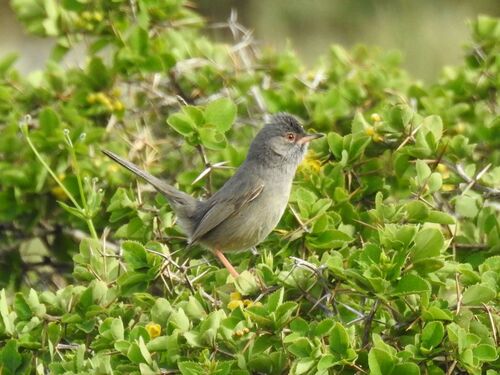
ネズミオナガムシクイ (Curruca sarda) ネズミオナガムシクイ
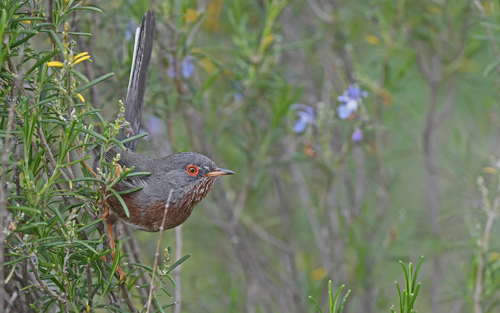
オナガムシクイ (Curruca undata) オナガムシクイ

メディア

読み込み中…

要点

オナガムシクイとネズミオナガムシクイを区別する最も信頼できるフィールドマークは、腹部の色です:ネズミオナガムシクイは下側が均一に灰色ですが、ネズミオナガムシクイ(特に成鳥のオス)は明確な赤褐色の腹部を示します。未熟なネズミオナガムシクイとネズミオナガムシクイは混同されることがありますが、ネズミオナガムシクイは喉がより淡い色で、虹彩が暗いのに対し、若いネズミオナガムシクイでも赤みを帯びた色合いや赤い目を示す傾向があります。両種は小型で長い尾を持つムシクイですが、特に光が乏しい場合や未熟な個体では、腹部の色と虹彩の色に注意を払うことが重要です。構造的な違いは微妙なので、羽毛と柔らかい部分の色に焦点を当ててください。

識別のコツ

  1. 腹部の色が最も信頼できるマークです: ネズミオナガムシクイはすべての羽毛で下側が灰色ですが、ネズミオナガムシクイ(特に成鳥のオス)は明らかな赤褐色の腹部を示します。これは良い光の下で最初に確認すべき特徴です。
  2. 喉の色と模様: ネズミオナガムシクイは単純で淡い喉(特に未熟な個体)を持ち、ネズミオナガムシクイ(成鳥およびほとんどの未熟な個体)は赤みを帯びた喉を持ち、しばしば白い斑点があります。
  3. 虹彩の色: 成鳥のネズミオナガムシクイは赤い虹彩を持ちますが、未熟な個体は暗い虹彩を持ちます。すべての年齢のネズミオナガムシクイは通常赤い目を示すため、暗い虹彩は特に若い個体においてネズミオナガムシクイを支持します。
  4. 額と顔の部分: 成鳥のオスのネズミオナガムシクイは額と目とくちばしの間に暗い斑点を示し、近距離での微妙ですが有用なマークです。ネズミオナガムシクイはこれらの対照的な顔の斑点を欠いています。
  5. 脚の色: ネズミオナガムシクイは赤い脚を持ち、よく見える場合に役立ちます。ネズミオナガムシクイの脚の色は指定されていませんが、特異なものとして強調されていません。
  6. 上面の色調: ネズミオナガムシクイは上面が灰色ですが、ネズミオナガムシクイは上面が灰褐色または褐色がかった灰色(オス)または褐色がかった灰色(メス/幼鳥)です。これは微妙ですが、良い光の下で役立つことがあります。
  7. 腹部の斑点: ネズミオナガムシクイはしばしば腹部の中央に汚れた白い斑点を示し、赤褐色の側面と胸部と対照的です。ネズミオナガムシクイは下側がより均一に灰色です。
  8. 性的二形性: ネズミオナガムシクイは性別間の違いが大きく、メスはオスよりも淡く褐色がかっています。ネズミオナガムシクイはフィールドマークにおいて性的二形性が少ないです。
  9. 幼鳥の混同: 未熟なネズミオナガムシクイとネズミオナガムシクイは似て見えることがありますが、両方とも下側が灰色です。ネズミオナガムシクイのために淡い喉と暗い虹彩に焦点を当て、ネズミオナガムシクイのために赤みのある色合いや赤い目を探してください。
  10. 尾と構造: 両種は長い尾と大きな頭を持っているため、構造だけでは信頼できる区別にはなりません。
  11. 歌: 聞こえた場合、ネズミオナガムシクイの速いラトルは特徴的です。ネズミオナガムシクイの歌はここでは説明されていないため、存在する場合はネズミオナガムシクイに頼ってください。
  12. 生息地と範囲: 注意して使用してください;ネズミオナガムシクイは地中海の島々で見られる可能性が高く、ネズミオナガムシクイは西ヨーロッパに生息していますが、重複や迷いが可能です。
  13. 季節的文脈: 両種は常駐または局所的に移動するだけなので、年の時期は直接的な羽毛のマークよりも役立ちません。
  14. 飛行時の視点: どちらの種にも特異な翼や飛行パターンの違いは説明されていないため、飛行中に見られた場合は腹部の色と虹彩に頼ってください。
  15. 照明の落とし穴: 光が乏しい場合、赤みのある色合いが見逃され、より灰色に見えることがあります;可能であれば、虹彩と喉の色を常に再確認してください。

大きさ

両種は非常にサイズと構造が似ており、小型で長い尾を持つムシクイで、大きな頭を持っています。ネズミオナガムシクイの記録された体重は10.5g [wikidata]ですが、ネズミオナガムシクイの直接の体重は提供されていませんが、同じサイズクラスに属しています。フィールドでの長さは両者の間で明確に診断的ではありません。

羽色

成鳥のオスのネズミオナガムシクイは上面と下面が灰色で、腹部に赤みやレンガ色の色調がありません。額と目とくちばしの間に暗い斑点を示します。虹彩と脚は赤です。対照的に、成鳥のオスのネズミオナガムシクイは灰褐色の上面を持ちますが、重要な特徴は汚れた白い腹部の斑点と赤みを帯びた白い斑点のある喉を持つ鈍い赤褐色の腹部です。ネズミオナガムシクイのメスと幼鳥は下側がより淡く、上面が褐色がかった灰色ですが、通常は腹部に赤みのある色合いや赤い目を示します。未熟なネズミオナガムシクイは下側が灰色で、喉が淡く、虹彩が暗いですが、若いネズミオナガムシクイは下側が灰色がかっていることがありますが、通常は少なくとも赤みのある色合いや赤い目を持っています。どちらの種にも特異な年齢特有の翼や飛行パターンのマークは説明されていません。

行動

両種は小型で隠れがちなムシクイに典型的な類似の行動を共有しており、低い低木の間を飛び回ったり、長い尾を持って止まっているのがよく見られます。フィールドで信頼できる区別をするための主要な行動の違いは、ノートには強調されていません。

生息環境

両種は低木の生息地を好みますが、ネズミオナガムシクイは西ヨーロッパと北西アフリカでより広範囲に分布し、しばしばヒースランドや乾燥した開けた低木に関連しています。ネズミオナガムシクイはより局所的で、地中海の島々(特にサルデーニャ)や同様の低木の生息地に強く関連しています。しかし、生息地だけでは重複や移動の際には診断的ではありません。

声

ネズミオナガムシクイの歌は速いラトルとして説明されています。ネズミオナガムシクイの歌は提供されたノートには説明されていないため、ネズミオナガムシクイの特徴的なラトルが聞こえた場合のみ、声の区別が信頼できます。

より良い説明を送る

比較と同じ項目を使ってください。文章はすぐに公開されます。

The most reliable field mark to separate Marmora's Warbler from Dartford Warbler is the color of the underparts: Marmora's is uniformly grey below, while Dartford Warbler (especially adult males) shows distinct reddish-brown underparts. Immature Marmora's and Dartford Warblers can be confused, but Marmora's has a paler throat and a dark iris, whereas even young Dartfords tend to show some reddish tones and a red eye. Both species are small, long-tailed warblers, but close attention to underpart color and iris color is key, especially in poor light or with immature birds. Structural differences are subtle, so focus on plumage and soft part coloration.

  1. Underpart color is the most reliable mark: Marmora's Warbler is grey below in all plumages, while Dartford Warbler (especially adult males) shows obvious reddish-brown underparts. This is the first feature to check in good light.
  2. Throat color and pattern: Marmora's has a plain, pale throat (especially in immatures), while Dartford Warbler (adults and most immatures) has a reddish throat often with white spots.
  3. Iris color: Adult Marmora's Warbler has a red iris, but immatures have a dark iris. Dartford Warbler of all ages typically shows a red eye, so a dark iris favors Marmora's, especially in young birds.
  4. Forehead and lores: Adult male Marmora's shows darker patches on the forehead and between the eye and bill, a subtle but useful mark at close range. Dartford Warbler lacks these contrasting facial patches.
  5. Leg color: Marmora's Warbler has red legs, which can help if seen well. Dartford Warbler's leg color is not specified, but is not highlighted as distinctive.
  6. Upperpart tones: Marmora's is grey above, while Dartford Warbler is grey-brown or brownish-grey above (males) or browner-grey (females/juveniles). This is subtle but can help in good light.
  7. Belly patch: Dartford Warbler often shows a dirty white patch on the center of the belly, contrasting with the reddish flanks and breast. Marmora's is more uniformly grey below.
  8. Sexual dimorphism: Dartford Warbler shows more difference between sexes, with females paler and browner than males. Marmora's is less sexually dimorphic in field marks.
  9. Juvenile confusion: Immature Marmora's and Dartford Warblers can look similar, both being grey below. Focus on the paler throat and dark iris for Marmora's, and look for any reddish wash or red eye for Dartford.
  10. Tail and structure: Both species are long-tailed and large-headed, so structure alone is not a reliable separator.
  11. Song: If heard, Marmora's fast rattle is distinctive. Dartford Warbler's song is not described here, so rely on Marmora's if present.
  12. Habitat and range: Use with caution; Marmora's is more likely on Mediterranean islands, Dartford in western Europe, but overlap and vagrancy are possible.
  13. Seasonal context: Both species are resident or only locally migratory, so time of year is less helpful than direct plumage marks.
  14. Flight views: No distinctive wing or flight pattern differences are described for either species, so rely on underpart color and iris if seen in flight.
  15. Lighting pitfalls: In poor light, reddish tones on Dartford Warbler can be missed, making it look greyer; always double-check iris and throat color if possible.

Both species are very similar in size and structure, being small, long-tailed warblers with large heads. Marmora's Warbler has a recorded body mass of 10.5g [wikidata], while no direct mass is provided for Dartford Warbler, but they are in the same size class. Length is not distinctly diagnostic between the two in the field.

Adult male Marmora's Warbler is grey both above and below, lacking any reddish or brick tones on the underparts. It shows darker patches on the forehead and between the eye and bill. The iris and legs are red. In contrast, adult male Dartford Warbler has grey-brown upperparts, but the key feature is the dull reddish-brown underparts with a dirty white belly patch and a reddish, white-spotted throat. Females and juveniles of Dartford Warbler are paler below and browner-grey above, but still typically show some reddish tones on the underparts and a red eye. Immature Marmora's Warblers are grey below with a paler throat and a dark iris, while young Dartford Warblers may be greyish below but usually have at least a hint of reddish and a red eye. No distinctive age-specific wing or flight pattern marks are described for either species.

Both species share similar behaviors typical of small, skulking warblers: they are often seen flitting through low shrubs or perching with their long tails held cocked. No major behavioral differences are highlighted in the notes that would reliably separate them in the field.

Both species favor shrubby habitats, but Dartford Warbler is more widespread in western Europe and northwestern Africa, often associated with heathland and dry, open scrub. Marmora's Warbler is more localized, with a strong association to Mediterranean islands (notably Sardinia) and similar scrubby habitats. However, habitat alone is not diagnostic where ranges overlap or in migration.

Marmora's Warbler has a song described as a fast rattle. Dartford Warbler's song is not described in the provided notes, so vocalization is only a reliable separator if Marmora's distinctive rattle is heard.

変更を破棄しますか?

保存していない編集があります。今離れると失われます。

ネズミオナガムシクイ · オナガムシクイ · 苦手な鳥