

Motmot

マンクスミズナギドリ 対 チチュウカイミズナギドリ

Puffinus puffinus 対 Puffinus yelkouan

マンクスミズナギドリとチチュウカイミズナギドリのクイズ
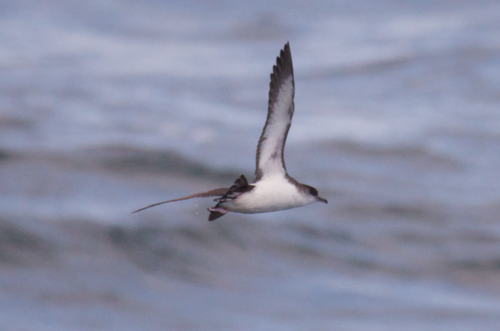
マンクスミズナギドリ (Puffinus puffinus) マンクスミズナギドリ
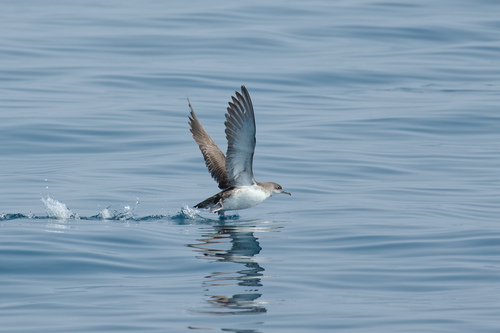
チチュウカイミズナギドリ (Puffinus yelkouan) チチュウカイミズナギドリ

メディア

読み込み中…

要点

マンクスミズナギドリとチチュウカイミズナギドリは、特に飛行中に非常に似ており、両者ともにクラシックな黒と白のミズナギドリのパターンと「シアリング」飛行スタイルを示します。最も信頼できる違いは微妙です:マンクスは一般的に上面が黒く、下面が白いのに対し、チチュウカイは上面がより暗い茶色で、より曖昧で、あまりきれいな白い腹部を持っています。サイズは強いフィールドマークではありませんが、マンクスはわずかに重く、翼が長いです。範囲外では分離が非常に難しく、経験豊富な観察者でさえ近くで長時間見ることができなければ苦労するかもしれません。

識別のコツ

  1. 地理的文脈が重要: マンクスミズナギドリは北大西洋および隣接する水域で期待されるのに対し、チチュウカイミズナギドリは地中海の種です。もしあなたが一方の種の範囲内にいるなら、それは強い手がかりですが、迷鳥の可能性もあります。
  2. 上面の色: マンクスミズナギドリは通常、上面がより黒いのに対し、チチュウカイミズナギドリはより暗い茶色です。これは微妙で、光、換羽、または摩耗の影響を受ける可能性があるため、注意して使用してください。
  3. 下面のコントラスト: マンクスは通常、特に腹部や翼の下で、よりきれいで明るい白い腹部を持っています。チチュウカイは、より曖昧で、あまり鮮明でない白い腹部を持つ傾向がありますが、これはグラデーションであり、常に明らかではありません。
  4. 顔のコントラスト: 両種ともに暗い帽子と白い顔を持っていますが、マンクスは暗い冠と白い頬の間にわずかに対照的な分割を示すことがあります。これは常に信頼できるわけではありません。
  5. 側面と尾の下: マンクスは通常、よりきれいな白い側面と尾の下の覆い羽を持っていますが、チチュウカイはこれらの領域でより曖昧な洗いを示すことがあります。これは微妙で、距離があるとしばしば失われます。
  6. 飛行スタイル: 両種は同じ「シアリング」飛行を共有し、硬い翼で水面を低く滑空し、時折翼を打つことがあります。飛行スタイルだけで分離しないでください。
  7. くちばしと構造: 提供された情報源には、これらの二種間でのくちばしのサイズ、形状、または全体的な構造に関する信頼できる違いは記載されていません。
  8. サイズ: マンクスはわずかに大きく、重いですが、これはあまり明らかではありません。
  9. 幼鳥/未成熟の羽毛: どちらの種についても、特定の年齢に関連する翼や上翼のパターンの違いは記載されておらず、若い鳥はフィールドで成鳥に似ています。
  10. 季節的文脈: マンクスは7月から3月まで繁殖コロニーから不在で、南大西洋に移動します。チチュウカイは一年中地中海に留まります。季節外の記録は慎重に検討する必要があります。
  11. 声: 提供された情報源には、フィールドでの分離のための診断的な声の違いは記載されていません。
  12. 落とし穴: 照明、距離、海の状態は、これらの鳥の見かけの色やコントラストに影響を与える可能性があります。暗さや白さの微妙な違いを過剰に解釈しないように注意してください。
  13. 疑問がある場合: どちらの種のコア範囲外にいて、明確な診断マークが見えない場合、しばしばその鳥を種レベルで未特定のままにしておくのが最善です。
  14. バレアリックミズナギドリとの比較: マンクスとチチュウカイは、バレアリックミズナギドリよりもコントラストが強く、上面がより茶色く、下面がより汚い白ですが、これはマンクスとチチュウカイを分離するのには役立ちません。
  15. 専門家の合意: 経験豊富な観察者でさえ、範囲外または近くで長時間見ることができない場合、これらの種を確実に分離するのに苦労するかもしれません。写真が常に識別を解決するわけではありません。

大きさ

マンクスミズナギドリは、チチュウカイミズナギドリよりもわずかに大きく、重い(平均体重521g)です。チチュウカイミズナギドリは、長さ(30〜35 cm対30〜38 cm)と翼幅(70〜84 cm対76〜89 cm)の両方でわずかに短いです。実際、このサイズの違いは微妙で、特に単独または距離があるときには診断的ではありません。

羽色

両種は、すべての羽毛において暗い上面と白い下面の間に際立ったコントラストを示し、クラシックな「飛ぶ十字」の外観を持っています。マンクスミズナギドリは通常、上面がより黒く、下面がよりきれいな白ですが、チチュウカイミズナギドリは上面がより暗い茶色で、より曖昧で、あまり鮮明でない白い腹部を持っています。どちらの種についても特定の年齢に関連する上翼パターン(例えば三角形、Wマーク、または対照的なパネル)は記載されておらず、幼鳥と成鳥はこの点で似ています。トーンの違い(黒対茶色)は微妙で、光の条件、摩耗、個体差の影響を受ける可能性があり、悪い光や遠距離では信頼できません。

行動

両種は、硬い翼で海の上を低く滑空し、時折翼を打ちながら、ほぼ水面に触れるように見えるクラシックな「シアリング」飛行を示します。両者は、上からまたは下から見ると飛ぶ十字のように見えることがあります。これらの二種間で信頼できる診断的な飛行スタイル、姿勢、または採餌行動の違いは記載されていません。

生息環境

マンクスミズナギドリは北大西洋(特に英国、アイルランド、アイスランド、および近隣の島々)で繁殖し、非繁殖期には南大西洋に移動します。チチュウカイミズナギドリは地中海の専門家であり、その地域でほぼ独占的に繁殖し、採餌します。したがって、最も信頼できる文脈の手がかりは場所です:マンクスは大西洋で期待され、チチュウカイは地中海で期待されます。ただし、迷鳥が発生することがあり、範囲外の個体は非常に分離が難しいことで知られています。

より良い説明を送る

比較と同じ項目を使ってください。文章はすぐに公開されます。

Manx Shearwater and Yelkouan Shearwater are extremely similar in the field, especially in flight, with both showing a classic black-and-white shearwater pattern and 'shearing' flight style. The most reliable difference is subtle: Manx is generally blacker above and whiter below, while Yelkouan is more dark brown above and has duskier, less clean white underparts. Size is not a strong field mark, but Manx is slightly heavier and longer-winged. Separation is extremely challenging outside of range, and even experienced observers may struggle without close or prolonged views.

  1. Geographic context is key: Manx Shearwater is expected in the North Atlantic and adjacent waters, while Yelkouan Shearwater is a Mediterranean species. If you are well within the range of one species, that is a strong clue, but vagrancy is possible.
  2. Upperparts color: Manx Shearwater is typically blacker above, while Yelkouan Shearwater is more dark brown. This is subtle and can be affected by light, molt, or wear; use with caution.
  3. Underparts contrast: Manx usually has cleaner, brighter white underparts, especially on the belly and underwings. Yelkouan tends to have duskier, less crisp white below, but this is a gradient and not always obvious.
  4. Facial contrast: Both species have a dark cap and white face, but Manx may show a slightly more contrasting division between the dark crown and white cheeks. This is not always reliable.
  5. Flank and undertail: Manx tends to have cleaner white flanks and undertail coverts, while Yelkouan may show a duskier wash in these areas. This is subtle and often lost at distance.
  6. Flight style: Both species share the same 'shearing' flight, with stiff wings and low, gliding passes over the water. Do not use flight style alone to separate them.
  7. Bill and structure: No reliable differences in bill size, shape, or overall structure are noted between these two species in the sources provided.
  8. Size: Manx is slightly larger and heavier, but this is rarely apparent unless both species are seen together.
  9. Juvenile/immature plumage: No specific age-related wing or upperwing pattern differences are described for either species; young birds look similar to adults in the field.
  10. Seasonal context: Manx is absent from its breeding colonies from July to March, when it migrates to the South Atlantic. Yelkouan remains in the Mediterranean year-round. Out-of-season records should be scrutinized carefully.
  11. Voice: No diagnostic vocal differences are described in the provided sources for field separation.
  12. Pitfalls: Lighting, distance, and sea conditions can all affect the apparent color and contrast of these birds. Be cautious about over-interpreting subtle differences in darkness or whiteness.
  13. When in doubt: If you are outside the core range of either species and cannot see clear, diagnostic marks, it is often best to leave the bird unidentified to species level.
  14. Comparison with Balearic Shearwater: Both Manx and Yelkouan are more contrasted than Balearic Shearwater, which is browner above and dirtier white below, but this does not help separate Manx from Yelkouan.
  15. Expert consensus: Even experienced observers may struggle to separate these species with certainty outside of range or without close, prolonged views. Photographs may not always resolve the identification.

Manx Shearwater is slightly larger and heavier (average body mass 521 g) than Yelkouan Shearwater, which is a bit shorter in both length (30–35 cm vs. 30–38 cm) and wingspan (70–84 cm vs. 76–89 cm). In practice, this size difference is subtle and rarely diagnostic at sea, especially when seen singly or at a distance.

Both species show a striking contrast between dark upperparts and white underparts in all plumages, with a classic 'flying cross' appearance. Manx Shearwater is typically blacker above and cleaner white below, while Yelkouan Shearwater is more dark brown above and has duskier, less sharply defined white underparts. No specific age-related upperwing patterns (such as triangles, W-marks, or contrasting panels) are described for either species, so juveniles and adults are similar in this respect. The difference in tone (black vs. brown) is subtle and can be affected by light conditions, wear, and individual variation, making it unreliable in poor light or at long range.

Both species exhibit the classic 'shearing' flight of their genus, gliding low over the sea on stiff wings with only occasional wingbeats, and often appearing to almost touch the water with their wingtips. Both can look like a flying cross when seen from above or below. There are no described differences in flight style, posture, or feeding behavior that are reliably diagnostic between these two species.

Manx Shearwater breeds in the North Atlantic (notably the UK, Ireland, Iceland, and nearby islands) and migrates to the South Atlantic for the nonbreeding season. Yelkouan Shearwater is a Mediterranean specialist, breeding and foraging almost exclusively in that region. Thus, the most reliable context clue is location: Manx is expected in the Atlantic, Yelkouan in the Mediterranean. However, vagrants do occur, and out-of-range individuals are notoriously difficult to separate.

変更を破棄しますか?

保存していない編集があります。今離れると失われます。

マンクスミズナギドリ · チチュウカイミズナギドリ · 苦手な鳥