

Manx Shearwater vs Berta minore
Puffinus puffinus contro Puffinus yelkouan
Fai un quiz con Manx Shearwater e Berta minore
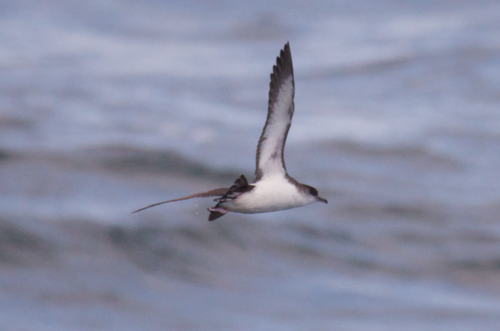 Manx Shearwater
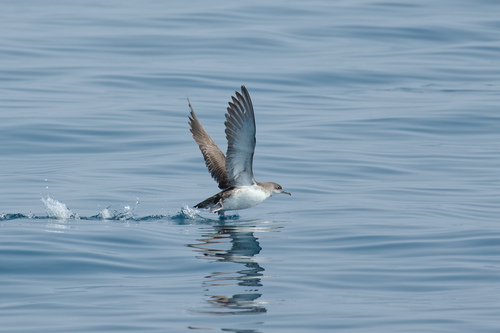 Berta minore
In breve
Manx Shearwater e Berta minore sono estremamente simili sul campo, specialmente in volo, con entrambi che mostrano un classico schema di berta in bianco e nero e uno stile di volo 'a taglio'. La differenza più affidabile è sottile: Manx è generalmente più nero sopra e più bianco sotto, mentre Yelkouan è più marrone scuro sopra e ha parti inferiori bianche più scure e meno pulite. La dimensione non è un segno distintivo forte, ma Manx è leggermente più pesante e con ali più lunghe. La separazione è estremamente difficile al di fuori dell'areale, e anche osservatori esperti possono avere difficoltà senza viste ravvicinate o prolungate.
Consigli di identificazione
- Il contesto geografico è fondamentale: Manx Shearwater è atteso nell'Atlantico settentrionale e nelle acque adiacenti, mentre Berta minore è una specie mediterranea. Se ti trovi bene all'interno dell'areale di una specie, questo è un forte indizio, ma la vaganza è possibile.
- Colore delle parti superiori: Manx Shearwater è tipicamente più nero sopra, mentre Berta minore è più marrone scuro. Questo è sottile e può essere influenzato dalla luce, dalla muta o dall'usura; usalo con cautela.
- Contrasto delle parti inferiori: Manx ha solitamente parti inferiori più pulite e più bianche, specialmente sul ventre e sotto le ali. Yelkouan tende ad avere parti inferiori più scure e meno nitide, ma questo è un gradiente e non sempre ovvio.
- Contrasto facciale: Entrambe le specie hanno un cappuccio scuro e un volto bianco, ma Manx può mostrare una divisione leggermente più contrastante tra la corona scura e le guance bianche. Questo non è sempre affidabile.
- Fianchi e sottocoda: Manx tende ad avere fianchi e copritrici della sottocoda bianchi più puliti, mentre Yelkouan può mostrare una lavatura più scura in queste aree. Questo è sottile e spesso perso a distanza.
- Stile di volo: Entrambe le specie condividono lo stesso volo 'a taglio', con ali rigide e passaggi bassi e plananti sopra l'acqua. Non usare lo stile di volo da solo per separarli.
- Becco e struttura: Non sono state notate differenze affidabili nella dimensione, forma o struttura generale del becco tra queste due specie nelle fonti fornite.
- Dimensione: Manx è leggermente più grande e più pesante, ma questo è raramente evidente a meno che entrambe le specie non siano viste insieme.
- Piumaggio giovanile/immaturo: Non sono state descritte differenze specifiche nei modelli delle ali o delle ali superiori legate all'età per nessuna delle due specie; gli uccelli giovani sembrano simili agli adulti sul campo.
- Contesto stagionale: Manx è assente dalle sue colonie di nidificazione da luglio a marzo, quando migra nell'Atlantico meridionale. Yelkouan rimane nel Mediterraneo tutto l'anno. I record fuori stagione dovrebbero essere scrutinati attentamente.
- Voce: Non sono state descritte differenze vocali diagnostiche nelle fonti fornite per la separazione sul campo.
- Trappole: Luce, distanza e condizioni del mare possono influenzare il colore apparente e il contrasto di questi uccelli. Fai attenzione a non sovrainterpretare differenze sottili nell'oscurità o nella bianchezza.
- Quando hai dubbi: Se ti trovi al di fuori dell'areale principale di una delle due specie e non riesci a vedere segni diagnostici chiari, è spesso meglio lasciare l'uccello non identificato a livello di specie.
- Confronto con Berta balearica: Sia Manx che Yelkouan sono più contrastati rispetto a Berta balearica, che è più marrone sopra e bianco più sporco sotto, ma questo non aiuta a separare Manx da Yelkouan.
- Consenso degli esperti: Anche gli osservatori esperti possono avere difficoltà a separare queste specie con certezza al di fuori dell'areale o senza viste ravvicinate e prolungate. Le fotografie potrebbero non sempre risolvere l'identificazione.
Taglia
Manx Shearwater è leggermente più grande e più pesante (massa corporea media 521 g) rispetto a Berta minore, che è un po' più corto sia in lunghezza (30–35 cm vs. 30–38 cm) che in apertura alare (70–84 cm vs. 76–89 cm). In pratica, questa differenza di dimensione è sottile e raramente diagnostica in mare, specialmente quando vista singolarmente o a distanza.
Piumaggio
Entrambe le specie mostrano un contrasto sorprendente tra le parti superiori scure e le parti inferiori bianche in tutti i piumaggi, con un classico aspetto di 'croce volante'. Manx Shearwater è tipicamente più nero sopra e più bianco pulito sotto, mentre Berta minore è più marrone scuro sopra e ha parti inferiori bianche più scure e meno definite. Non sono stati descritti modelli specifici delle ali superiori legati all'età (come triangoli, segni a W o pannelli contrastanti) per nessuna delle due specie, quindi i giovani e gli adulti sono simili in questo rispetto. La differenza di tono (nero vs. marrone) è sottile e può essere influenzata dalle condizioni di luce, dall'usura e dalla variazione individuale, rendendola inaffidabile in scarsa luce o a lunga distanza.
Comportamento
Entrambe le specie mostrano il classico volo 'a taglio' del loro genere, planando basso sopra il mare con ali rigide e solo occasionali battiti d'ali, e spesso apparendo quasi toccare l'acqua con le punte delle ali. Entrambe possono sembrare una croce volante quando viste dall'alto o dal basso. Non sono state descritte differenze nello stile di volo, nella postura o nel comportamento alimentare che siano affidabilmente diagnostiche tra queste due specie.
Habitat
Manx Shearwater nidifica nell'Atlantico settentrionale (in particolare nel Regno Unito, Irlanda, Islanda e isole vicine) e migra nell'Atlantico meridionale per la stagione non riproduttiva. Berta minore è uno specialista mediterraneo, nidificando e foraggiando quasi esclusivamente in quella regione. Pertanto, l'indizio contestuale più affidabile è la posizione: Manx è atteso nell'Atlantico, Yelkouan nel Mediterraneo. Tuttavia, si verificano vaganti, e gli individui fuori areale sono notoriamente difficili da separare.