

Motmot

マンクスミズナギドリ 対 セグロミズナギドリ

Puffinus puffinus 対 Puffinus lherminieri

マンクスミズナギドリとセグロミズナギドリのクイズ
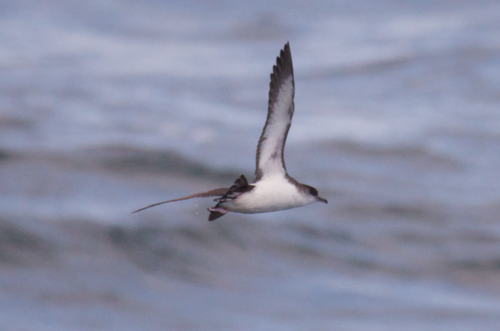
マンクスミズナギドリ (Puffinus puffinus) マンクスミズナギドリ
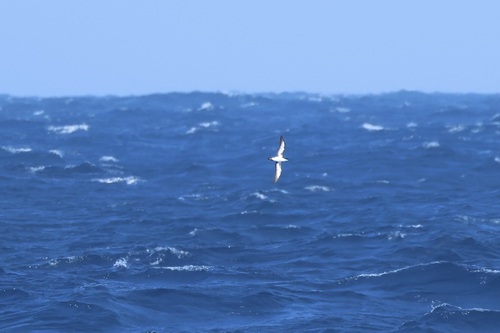
セグロミズナギドリ (Puffinus lherminieri) セグロミズナギドリ

メディア

読み込み中…

要点

マンxスミズナギドリとセグロミズナギドリの最も信頼できるフィールドマークはサイズです:マンxは明らかに大きく、重く、翼幅が広く、頑丈な体型をしています。飛行中、両者は典型的なミズナギドリの黒上、白下のコントラストを示しますが、セグロミズナギドリは小さく、よりコンパクトで、暗い尾羽の覆い羽を持っています(対してマンxの尾羽の覆い羽は白です)。くちばしの長さも重要な違いです:マンxは明らかに長いくちばしを持っています。両種は距離があると似て見えることがありますが、特に光が悪い時や下から見た時には、サイズ、尾羽のパターン、くちばしの構造に注意を払うことで通常は区別できます。

識別のコツ

  1. サイズは最も一貫したフィールドマークです: マンxスミズナギドリはセグロミズナギドリのほぼ2倍の重さで、翼幅が長く、体が大きいです。これは、鳥が一緒に見られる時や他の種と一緒にスケールを取る時に使用します。
  2. 尾羽の覆い羽: マンxスミズナギドリは常に白い尾羽の覆い羽を示し、バンキングや後ろから見た時に見えます。セグロミズナギドリは黒褐色の尾羽の覆い羽を持ち、飛行中や休んでいる時に後部が暗く見えます。
  3. くちばしの長さ: マンxスミズナギドリはセグロよりも明らかに長いくちばしを持っています。これは、止まっている鳥や近くの鳥でよく見え、良い視界での微妙ですが信頼できるマークです。
  4. 翼の形と飛行スタイル: マンxは飛行中に翼が広く、より十字型に見え、より安定した、より直接的なシアリングアクションを持っています。セグロはよりコンパクトで、より速く、軽い羽ばたきとより機敏で浮遊感のある飛行を持っています。
  5. 下翼のパターン: セグロは下翼の先端に向かってより多くの暗い部分を示すことがありますが、これは変動があり、海上では常に信頼できるわけではありません。マンxの下翼は黒褐色の上翼に対してクリーンな白で、鮮やかなコントラストがあります。
  6. 顔のパターン: 両者は目の下に白がありますが、セグロはやや広範囲に白い顔を示すことがあります。これは微妙で、フィールド条件では常に明らかではありません。
  7. 足の色: セグロは黒い洗浄と黒い爪を持つ鈍いピンクの足を持っていますが、これは海上ではほとんど見えません。
  8. 年齢による羽毛: 両種はフィールドで明確な幼鳥や未成熟の羽毛を持っていません;主なマーク(尾羽、サイズ、くちばし)はすべての年齢に適用されます。
  9. 生息地と範囲: カリブ海や熱帯西大西洋で見られた場合、セグロの方がはるかに可能性が高いです。北大西洋、特に英国やアイルランドの近くでは、マンxがデフォルトです。しかし、両者は漂流者として発生することがあるため、常にフィールドマークを確認してください。
  10. 群れの文脈: より大きなミズナギドリ(例:ズグロミズナギドリ)と混ざっている場合、マンxはサイズ的に中間に見え、セグロはかなり小さく見えます。
  11. 止まっている姿勢: マンxは座っている時に体が長く、重く見え、セグロはよりコンパクトで短い首に見えます。
  12. 声: 海上では役に立たない;両者はコロニーから離れるとほとんど静かです。
  13. 落とし穴: 距離があると、両者は共有の黒上、白下のパターンのために似て見えることがあります。一般的な印象だけに頼らず、尾羽、サイズ、くちばしの構造に焦点を当ててください。
  14. 性別: 両種のオスとメスは似ています;性別はフィールドマークではありません。
  15. 季節: 両種は渡り鳥であり、西大西洋で重なることがあるため、季節だけに頼らず、常に構造的および羽毛のマークを確認してください。

大きさ

マンxスミズナギドリはかなり大きく、約521gの重さで、長さ30〜38cm、翼幅76〜89cmです。セグロミズナギドリははるかに軽く(通常150〜230g)、短く(30〜33cm)、翼幅も小さい(64〜72cm)です。直接比較すると、マンxはよりがっしりしていて翼が長く見え、セグロはより繊細でコンパクトに見えます。このサイズの差は、混合群れや鳥が一緒に見られる時に最も簡単な手がかりです。

羽色

両種は典型的なミズナギドリのパターンを共有しています:上面は黒褐色、下面は白です。しかし、セグロミズナギドリは黒褐色の尾羽の覆い羽と暗い腹部を持ち、マンxスミズナギドリの尾羽の覆い羽は白です—これはすべての羽毛での重要なマークであり、特に鳥がバンキングしたり後ろから見た時に明らかです。セグロの下翼は特に遠位の羽毛に向かってより多くの暗い部分を示すことがありますが、これは変動があり、海上では常に信頼できるわけではありません。両種は目の下に白がありますが、セグロはやや広範囲に白い顔を示すことがあります。未熟なセグロミズナギドリは成鳥と異なる羽毛を持っていないため、尾羽とサイズのマークはすべての年齢に適用されます。幼鳥のマンxスミズナギドリも成鳥に似ているため、年齢特有の飛行マークはここでは大きな要因ではありません。

行動

両種はその属の典型的な「シアリング」飛行スタイルを示し、硬直したまっすぐな翼で水面を低く飛び、最小限の羽ばたきで飛行します。マンxスミズナギドリはしばしばより力強く安定して見え、より広く、より十字型のシルエットを持っています。セグロミズナギドリはより浮遊感があり、機敏で、方向転換が速く、より軽やかでひらひらした飛行を持っています。止まっている時、マンxは体が長く、重く見え、セグロはよりコンパクトで短い首に見えます。両種は海洋性で、繁殖コロニー以外ではほとんど陸上で見られません。

生息環境

マンxスミズナギドリは北大西洋で繁殖し、特に英国、アイルランド、北大西洋の海岸の島々で繁殖し、南大西洋で越冬します。セグロミズナギドリは主にカリブ海とルカヤン諸島で繁殖し、繁殖シーズン外では西大西洋とサルガッソ海全体に分布します。彼らの範囲は渡り中に西大西洋で重なることがありますが、マンxは寒冷温帯水域でより可能性が高く、セグロは熱帯および亜熱帯の西大西洋水域でのデフォルトの小型ミズナギドリです。場所と季節の文脈は役立つことがありますが、重なりのため常に診断的ではありません。

声

両種は繁殖コロニーで夜間に最も声を出し、海上では一般的に静かです。セグロミズナギドリはツイッター音やミュー音を持っていますが、これらは海上でバーダーによってほとんど聞かれません。マンxスミズナギドリもコロニーで鳴きますが、声はほとんどのバードウォッチング状況でこれら二種を区別するための実用的なフィールドマークではありません。

より良い説明を送る

比較と同じ項目を使ってください。文章はすぐに公開されます。

The most reliable field mark between Manx Shearwater and Sargasso Shearwater is size: Manx is distinctly larger and heavier, with a broader wingspan and more robust build. In flight, both show classic shearwater black-above, white-below contrast, but Sargasso Shearwater is smaller, more compact, and has darker undertail coverts (vs. Manx’s white undertail coverts). Bill length is also a key difference: Manx has a noticeably longer bill. Both species can look similar at a distance, especially in poor light or when seen from below, but careful attention to size, undertail pattern, and bill structure will usually separate them.

  1. Size is the most consistent field mark: Manx Shearwater is nearly twice as heavy as Sargasso, with a longer wingspan and bulkier build. Use this when birds are seen together or with other species for scale.
  2. Undertail coverts: Manx Shearwater always shows white undertail coverts, visible when banking or from behind. Sargasso Shearwater has blackish-brown undertail coverts, making the rear end look darker in flight and at rest.
  3. Bill length: Manx Shearwater has a noticeably longer bill than Sargasso. This can be seen well on perched or close birds, and is a subtle but reliable mark in good views.
  4. Wingshape and flight jizz: Manx appears broader-winged and more cross-shaped in flight, with a steadier, more direct shearing action. Sargasso is more compact, with quicker, lighter wingbeats and a more agile, buoyant flight.
  5. Underwing pattern: Sargasso can show more dark on the underwing, especially towards the tips, but this is variable and not always reliable at sea. Manx’s underwing is clean white with a sharp contrast to the blackish upperwing.
  6. Face pattern: Both have white below the eye, but Sargasso may show a slightly more extensive white face. This is subtle and not always apparent in field conditions.
  7. Feet color: Sargasso has dull pink feet with a black wash and black toenails, but this is rarely visible at sea.
  8. Plumage by age: Both species lack distinct juvenile or immature plumages in the field; the main marks (undertail, size, bill) apply to all ages.
  9. Habitat and range: If seen in the Caribbean or tropical western Atlantic, Sargasso is much more likely. In the North Atlantic, especially near the UK and Ireland, Manx is the default. However, both can occur as vagrants, so always check field marks.
  10. Context of flock: If mixed with larger shearwaters (e.g., Great Shearwater), Manx will appear intermediate in size, Sargasso quite small.
  11. Perched posture: Manx looks longer-bodied and heavier when sitting, Sargasso more compact and short-necked.
  12. Voice: Not useful at sea; both are mostly silent away from colonies.
  13. Pitfalls: At a distance, both can look similar due to the shared black-above, white-below pattern. Do not rely on general impression alone—focus on undertail, size, and bill structure.
  14. Sex: Males and females are alike in both species; sex is not a field mark.
  15. Season: Both species are migratory and can overlap in the western Atlantic, so do not rely solely on season—always check structural and plumage marks.

Manx Shearwater is significantly larger, weighing about 521 g and measuring 30–38 cm in length with a 76–89 cm wingspan. Sargasso Shearwater is much lighter (typically 150–230 g), shorter (30–33 cm), and has a smaller wingspan (64–72 cm). In direct comparison, Manx looks bulkier and longer-winged, while Sargasso appears more delicate and compact. This size gap is often the easiest clue in mixed flocks or when birds are seen together.

Both species share the classic shearwater pattern: blackish-brown above and white below. However, Sargasso Shearwater has blackish-brown undertail coverts and a darker vent area, while Manx Shearwater’s undertail coverts are white—this is a key mark in all plumages, especially visible when birds bank or when seen from behind. Sargasso’s underwing can show more dark, especially towards the distal remiges, but this is variable and not always reliable at sea. Both species have white on the head below the eye, but Sargasso may show a slightly more extensive white face. Immature Sargasso Shearwaters do not have a distinct plumage from adults, so the undertail and size marks apply to all ages. Juvenile Manx Shearwaters also resemble adults, so age-specific flight marks are not a major factor here.

Both species exhibit the typical 'shearing' flight style of their genus, flying low over the water with stiff, straight wings and minimal wingbeats. Manx Shearwater often appears more powerful and steady, with a broader, more cross-shaped silhouette. Sargasso Shearwater is more buoyant and agile, with quicker changes in direction and a lighter, more fluttery jizz. When perched, Manx appears longer-bodied and heavier, while Sargasso is more compact and short-necked. Both species are marine and rarely seen on land except at breeding colonies.

Manx Shearwater breeds in the North Atlantic, especially on islands off the UK, Ireland, and the North Atlantic coasts, and winters in the South Atlantic. Sargasso Shearwater breeds primarily in the Caribbean and Lucayan Archipelago, ranging throughout the western Atlantic and Sargasso Sea outside the breeding season. While their ranges can overlap in the western Atlantic during migration, Manx is much more likely in cold temperate waters, while Sargasso is the default small shearwater in tropical and subtropical western Atlantic waters. Context of location and season can help, but is not always diagnostic due to overlap.

Both species are most vocal at night in breeding colonies and are generally silent at sea. Sargasso Shearwater has twittering and mewing calls, but these are rarely heard by birders at sea. Manx Shearwater also calls at colonies, but voice is not a practical field mark for separating these two in most birding situations.

変更を破棄しますか?

保存していない編集があります。今離れると失われます。

マンクスミズナギドリ · セグロミズナギドリ · 苦手な鳥