

Motmot

ミナミミズツグミ 対 キタミズツグミ

Parkesia motacilla 対 Parkesia noveboracensis

ミナミミズツグミとキタミズツグミのクイズ
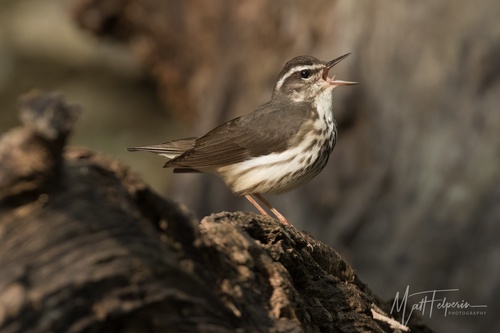
ミナミミズツグミ (Parkesia motacilla) ミナミミズツグミ
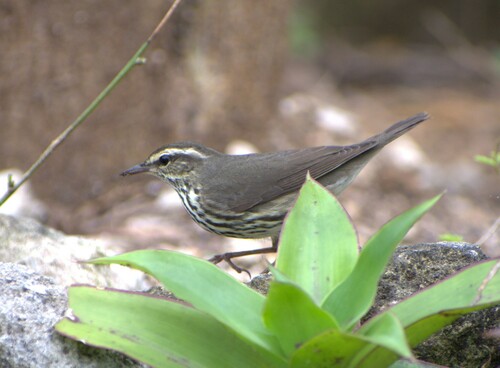
キタミズツグミ (Parkesia noveboracensis) キタミズツグミ

メディア

読み込み中…

要点

ルイジアナミズツグミとキタミズツグミを区別する最も信頼できるフィールドマークは、脇腹と尾の色です:ルイジアナはこれらの部分に明らかなバフ色を示し、キタは清潔な白です。また、ルイジアナは大胆で長く、広がった白い眉斑(アイブロウ)と明るいピンクの脚を持っていますが、キタの眉斑は短く、狭く、脚は鈍い色です。喉の縞模様が重要です:ルイジアナの喉はほとんど縞模様がなく白いのに対し、キタの喉は縞模様があります。両種は上面が茶色で、下面は重く縞模様がありますが、これらの詳細とサイズや生息地の微妙な違いが識別を助けます。両種の幼鳥はよりバフ色の腹部を持っているため、晩夏と秋には特に注意が必要です。

識別のコツ

  1. 脇腹と尾の色:ルイジアナミズツグミ(すべての年齢、特に成鳥)にはバフ色の脇腹と尾を探してください;キタはこれらの部分が白です。幼鳥ではこのマークはあまり信頼できませんが、依然として有用です。
  2. 眉斑(アイブロウ):ルイジアナの眉斑は広く、明るい白で、目の後ろで広がります;キタの眉斑は短く、狭く、あまり広がりません。これはすべての羽衣で見ることができますが、成鳥で最もよく見られます。
  3. 脚の色:ルイジアナは明るいピンクの脚を持っていますが、キタの脚は鈍いピンクまたは茶色がかっています。これは暗い光や泥だらけの鳥では微妙に見えることがあります。
  4. 喉の縞模様:ルイジアナの喉はほとんど白く、縞模様がありません;キタの喉は縞模様があります。これは成鳥では強いマークですが、幼鳥ではそれほどではありません。
  5. くちばしのサイズと形:ルイジアナのくちばしは長くて重く、やや大きな頭の印象を与えます;キタのくちばしは短くて細いです。これは微妙で、他のマークと一緒に使用するのが最適です。
  6. サイズと構造:ルイジアナは全体的に大きくてずんぐりしており、体が長く、尾もやや長いです。重なりがあるため、注意して使用してください。
  7. 背中の色:両種とも上面は単色の茶色で、信頼できる区別にはなりません。
  8. 腹部の縞模様:両種とも下部に大胆な縞模様がありますが、ルイジアナの縞模様はしばしば白い背景に対してより鮮明に定義されていることが多いです;キタの縞模様は、特に幼鳥では、バフ色または灰色がかった背景でよりぼやけて見えることがあります。
  9. 生息地の好み:ルイジアナはほぼ常に流れる小川の近くにいます;キタは静止した水や遅い水、湿地、より密なカバーを好みます。文脈は役立ちますが、移動中は確実ではありません。
  10. 行動:両種は水辺で餌を探しながら歩き(跳ねず)、尾を上下に振りますが、ルイジアナは流れのある小川の岩の上で揺れているのが見られることが多いのに対し、キタは泥の岸や落ち葉の中、湿った茂みの中にいることが多いです。
  11. 歌:ルイジアナの歌は下降する音符で始まり、ワーブルで終わります;キタの歌はより単調で加速します。歌っている場合は使用してください。
  12. 鳴き声:ルイジアナは鋭い「チンク」と鳴き、キタはブザー音の「ズィップ」または上昇する「スプイック」と鳴きます。
  13. 幼鳥/未熟な混同:両種の若鳥はよりバフ色の腹部を持っているため、脇腹の色があまり信頼できません。これらの場合、眉斑の形、喉の縞模様、脚の色に焦点を当ててください。
  14. 眉斑とアイライン:ルイジアナの眉斑はより広いだけでなく、より目立ちます。暗いアイラインがあまりはっきりしていないため;キタの暗いアイラインは眉斑を狭く見せることがあります。
  15. 季節的文脈:晩夏と秋、幼鳥が優勢な時期には、下部により多くのバフ色が見られ、全体的にコントラストが少なくなります。最良の結果を得るためにマークの組み合わせを使用してください。

大きさ

ルイジアナミズツグミは明らかに大きくてずんぐりしており、平均20.6gで、キタは16.2gです。ルイジアナは長さ14〜17cm、翼幅21〜25.4cmで、キタは長さ12〜15cm、翼幅21〜24cmと小型です。ルイジアナのくちばしもやや長くて重い(1.2〜1.5cm対1.1〜1.2cm)です。フィールドでは、ルイジアナは長い体と大きな頭に見えることがありますが、重なりがあるため、サイズだけでは常に信頼できるわけではありません。

羽色

行動

両種は水辺で餌を探しながら歩き(跳ねず)、尾を上下に振ります。ルイジアナは流れの速い小川の中やその近くで見られることが多く、しばしば岩や丸太の上で揺れています。キタはより地上性で、しばしば湿った静止水や湿った森林の床で餌を探します。両者とも落ち葉の中で餌を探すことがありますが、ルイジアナは流れる水により密接に結びついています。

生息環境

ルイジアナミズツグミは成熟した広葉樹または混合林の清澄で流れの速い小川の近くで繁殖し、流れる水から遠く離れることはほとんどありません。キタミズツグミは湿地、沼地、静止または遅い水を好み、より密な湿った森や茂みで見つかることが多いです。移動中や冬には、両者ともさまざまな湿った生息地に現れることがありますが、ルイジアナは依然として開かれた流れる水を好み、キタはより柔軟で、より密で湿った、またはより地上性の環境で見つかることが多いです。

声

ルイジアナミズツグミの歌は、下降する音符の音楽的な連続の後にワーブルが続き、最初に音程が下がります(小川が下流に流れるように)。キタミズツグミの歌は、一般的に音程が下がり加速する強調された明確なチル音の連続ですが、変化が少なく、強い下降のオープニングはありません。鳴き声は異なります:ルイジアナは硬い「チンク」と鳴き、キタは大きく上昇する「スプイック」またはブザー音の「ズィップ」と鳴きます。声は役立つことがありますが、個体差に注意してください。

より良い説明を送る

比較と同じ項目を使ってください。文章はすぐに公開されます。

The most reliable field mark to separate Louisiana Waterthrush from Northern Waterthrush is the color of the flanks and undertail: Louisiana shows obvious buff in these areas, while Northern is clean white. Also, Louisiana has a bold, long, and flared white supercilium (eyebrow) and bright pink legs, whereas Northern’s supercilium is shorter, narrower, and the legs are duller. Throat streaking is key: Louisiana’s throat is mostly unstreaked and white, while Northern’s is streaked. Both species are brown above and heavily streaked below, but these details, along with subtle differences in size and habitat, help clinch identification. Immatures of both species have buffier underparts, so extra care is needed in late summer and fall.

  1. Flank and undertail color: Look for buffy flanks and undertail on Louisiana Waterthrush (all ages, but especially adults); Northern is white in these areas. In immatures, this mark is less reliable but still useful.
  2. Supercilium (eyebrow): Louisiana’s is broad, bright white, and flares behind the eye; Northern’s is shorter, narrower, and less flared. This is visible in all plumages, but best on adults.
  3. Leg color: Louisiana has bright pink legs, while Northern’s are duller pink or brownish. This can be subtle in poor light or muddy birds.
  4. Throat streaking: Louisiana’s throat is mostly white and unstreaked; Northern’s is streaked. This is a strong mark in adults, less so in juveniles.
  5. Bill size and shape: Louisiana’s bill is longer and heavier, giving a slightly larger-headed look; Northern’s is shorter and finer. This is subtle and best used with other marks.
  6. Size and structure: Louisiana is larger and bulkier overall, with a longer body and slightly longer tail. Use with caution due to overlap.
  7. Back color: Both are plain brown above, not a reliable separator.
  8. Underpart streaking: Both have bold streaks below, but Louisiana’s streaks are often more sharply defined on a whiter background; Northern’s can look more smudged on a buffier or grayish background, especially in juveniles.
  9. Habitat preference: Louisiana is almost always near running streams; Northern prefers stagnant or slow water, bogs, and denser cover. Context helps, but is not foolproof during migration.
  10. Behavior: Both walk and bob their tails, but Louisiana is more likely to be seen teetering on rocks in a stream, while Northern is often on muddy banks, in leaf litter, or among wet thickets.
  11. Song: Louisiana’s song starts with descending notes and ends with a warble; Northern’s is more monotone and accelerating. Use if singing.
  12. Call: Louisiana gives a sharp 'chink'; Northern a buzzy 'zzip' or rising 'spwik'.
  13. Juvenile/immature confusion: Both species’ young have buffier underparts, making flank color less reliable. In these cases, focus on supercilium shape, throat streaking, and leg color.
  14. Supercilium vs. eyeline: Louisiana’s supercilium is not only broader but also stands out more due to a less distinct dark eyeline; Northern’s darker eyeline can make the supercilium look narrower.
  15. Seasonal context: In late summer and fall, when juveniles predominate, expect more buff below and less contrast overall. Use a combination of marks for best results.

Louisiana Waterthrush is distinctly larger and bulkier, averaging 20.6 g compared to Northern's 16.2 g. Louisiana measures 14–17 cm in length and 21–25.4 cm in wingspan, while Northern is smaller at 12–15 cm long and 21–24 cm wingspan. Louisiana’s bill is also slightly longer and heavier (1.2–1.5 cm vs. 1.1–1.2 cm). In the field, Louisiana can look longer-bodied and bigger-headed, but overlap means size alone is not always reliable.

  • Juvenile/immature birds: Both species have buffier underparts than adults, making flank and undertail color less reliable in late summer/fall. However, Louisiana still tends to show more extensive buff on the flanks and undertail, while Northern remains paler and more evenly colored below.
  • Adults: Louisiana has a plain brown back, white underparts with bold black streaks, and strong buff on the flanks and undertail. The supercilium is broad, white, and flares behind the eye. Legs are bright pink. Northern is also brown above and streaked below, but the flanks and undertail are white, the supercilium is shorter and narrower, and the legs are duller. Northern’s throat is streaked, while Louisiana’s is mostly clear. Both have a white supercilium, but Louisiana’s is more prominent and contrasts with a less distinct eyeline.

Both species walk (not hop) and bob their tails while foraging along water. Louisiana is more likely to be seen in or right next to fast-flowing streams, often teetering on rocks or logs. Northern is more terrestrial, often foraging in swampy, stagnant water or wet forest floor. Both may forage in leaf litter, but Louisiana is more closely tied to running water.

Louisiana Waterthrush breeds along clear, fast-flowing streams in mature deciduous or mixed forest, rarely straying far from running water. Northern Waterthrush prefers bogs, swamps, and stagnant or slow-moving water, and is more likely to be found in dense, wet woods or thickets. During migration and winter, both can appear in a range of wet habitats, but Louisiana still favors open, running water while Northern is more flexible and often found in denser, wetter, or more terrestrial settings.

Louisiana Waterthrush’s song is a musical series of descending notes followed by a warble, with the pitch dropping at the start (like a stream flowing downhill). Northern Waterthrush’s song is a series of emphatic, clear chirping notes that generally fall in pitch and accelerate, but with less variation and no strong descending opening. Calls differ: Louisiana gives a hard 'chink', while Northern gives a loud, rising 'spwik' or buzzy 'zzip'. Voice can be helpful, but beware of individual variation.

変更を破棄しますか?

保存していない編集があります。今離れると失われます。

ミナミミズツグミ · キタミズツグミ · 苦手な鳥