

Louisiana Waterthrush vs Northern Waterthrush
Parkesia motacilla contro Parkesia noveboracensis
Fai un quiz con Louisiana Waterthrush e Northern Waterthrush
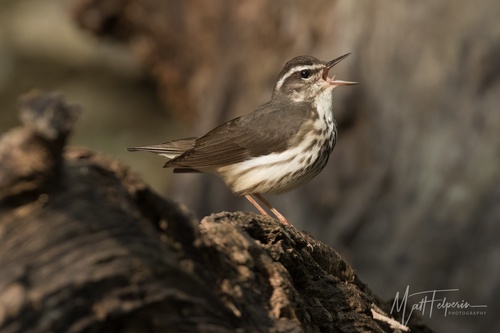 Louisiana Waterthrush
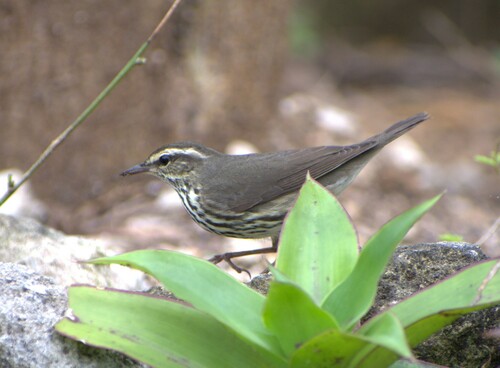 Northern Waterthrush
In breve
Il segno di campo più affidabile per separare Louisiana Waterthrush da Northern Waterthrush è il colore dei fianchi e dell'area sottocoda: Louisiana mostra un evidente colore buff in queste aree, mentre Northern è bianco pulito. Inoltre, Louisiana ha un supercilio (sopracciglio) bianco, lungo e audace, e zampe rosa brillante, mentre il supercilio di Northern è più corto, più stretto e le zampe sono più opache. Le striature della gola sono fondamentali: la gola di Louisiana è per lo più non striata e bianca, mentre quella di Northern è striata. Entrambe le specie sono marroni sopra e fortemente striate sotto, ma questi dettagli, insieme a sottili differenze di dimensioni e habitat, aiutano a confermare l'identificazione. Gli immaturi di entrambe le specie hanno parti inferiori più buff, quindi è necessaria maggiore attenzione alla fine dell'estate e in autunno.
Consigli di identificazione
- Colore dei fianchi e dell'area sottocoda: Cerca fianchi e area sottocoda color buff su Louisiana Waterthrush (tutte le età, ma soprattutto adulti); Northern è bianco in queste aree. Negli immaturi, questo segno è meno affidabile ma comunque utile.
- Supercilio (sopracciglio): Quello di Louisiana è ampio, bianco brillante e si espande dietro l'occhio; quello di Northern è più corto, più stretto e meno espanso. Questo è visibile in tutte le livree, ma meglio negli adulti.
- Colore delle zampe: Louisiana ha zampe rosa brillante, mentre quelle di Northern sono di un rosa più opaco o marrone. Questo può essere sottile in scarsa illuminazione o in uccelli fangosi.
- Striature della gola: La gola di Louisiana è per lo più bianca e non striata; quella di Northern è striata. Questo è un segno forte negli adulti, meno nei giovani.
- Dimensione e forma del becco: Il becco di Louisiana è più lungo e pesante, dando un aspetto leggermente più grande; quello di Northern è più corto e più fine. Questo è sottile e meglio utilizzato con altri segni.
- Dimensione e struttura: Louisiana è complessivamente più grande e robusta, con un corpo più lungo e una coda leggermente più lunga. Usare con cautela a causa della sovrapposizione.
- Colore della schiena: Entrambi sono marroni uniformi sopra, non un separatore affidabile.
- Striature delle parti inferiori: Entrambi hanno striature audaci sotto, ma le striature di Louisiana sono spesso più nettamente definite su uno sfondo più bianco; quelle di Northern possono apparire più sfocate su uno sfondo più buffo o grigiastro, specialmente nei giovani.
- Preferenza dell'habitat: Louisiana è quasi sempre vicino a corsi d'acqua correnti; Northern preferisce acque stagnanti o lente, torbiere e copertura più densa. Il contesto aiuta, ma non è infallibile durante la migrazione.
- Comportamento: Entrambi camminano e muovono le loro code, ma Louisiana è più probabile che venga vista barcollando su rocce in un corso d'acqua, mentre Northern è spesso su rive fangose, nella lettiera di foglie o tra cespugli umidi.
- Canto: Il canto di Louisiana inizia con note discendenti e termina con un gorgheggio; quello di Northern è più monotono e accelerato. Usare se canta.
- Richiamo: Louisiana emette un 'chink' acuto; Northern un 'zzip' ronzante o un 'spwik' ascendente.
- Confusione giovanile/immatura: I giovani di entrambe le specie hanno parti inferiori più buff, rendendo il colore dei fianchi meno affidabile. In questi casi, concentrati sulla forma del supercilio, sulle striature della gola e sul colore delle zampe.
- Supercilio vs. linea oculare: Il supercilio di Louisiana non è solo più ampio, ma si distingue anche di più a causa di una linea oculare scura meno distinta; la linea oculare più scura di Northern può far sembrare il supercilio più stretto.
- Contesto stagionale: Alla fine dell'estate e in autunno, quando i giovani predominano, aspettati più buff sotto e meno contrasto complessivo. Usa una combinazione di segni per i migliori risultati.
Taglia
Louisiana Waterthrush è distintamente più grande e robusta, con un peso medio di 20.6 g rispetto ai 16.2 g di Northern. Louisiana misura 14–17 cm di lunghezza e 21–25.4 cm di apertura alare, mentre Northern è più piccolo, con una lunghezza di 12–15 cm e un'apertura alare di 21–24 cm. Il becco di Louisiana è anche leggermente più lungo e pesante (1.2–1.5 cm contro 1.1–1.2 cm). Sul campo, Louisiana può apparire con un corpo più lungo e una testa più grande, ma la sovrapposizione significa che la dimensione da sola non è sempre affidabile.
Piumaggio
- Uccelli giovani/immaturi: Entrambe le specie hanno parti inferiori più buff rispetto agli adulti, rendendo il colore dei fianchi e dell'area sottocoda meno affidabile alla fine dell'estate/autunno. Tuttavia, Louisiana tende ancora a mostrare un buff più esteso sui fianchi e sull'area sottocoda, mentre Northern rimane più chiaro e più uniformemente colorato sotto.
- Adulti: Louisiana ha una schiena marrone uniforme, parti inferiori bianche con forti striature nere e un forte buff sui fianchi e sull'area sottocoda. Il supercilio è ampio, bianco e si espande dietro l'occhio. Le zampe sono rosa brillante. Anche Northern è marrone sopra e striato sotto, ma i fianchi e l'area sottocoda sono bianchi, il supercilio è più corto e più stretto, e le zampe sono più opache. La gola di Northern è striata, mentre quella di Louisiana è per lo più chiara. Entrambi hanno un supercilio bianco, ma quello di Louisiana è più prominente e contrasta con una linea oculare meno distinta.
Comportamento
Entrambe le specie camminano (non saltano) e muovono le loro code mentre cercano cibo lungo l'acqua. Louisiana è più probabile che venga vista barcollando su rocce o tronchi in corsi d'acqua a flusso rapido, mentre Northern è più terrestre, spesso cercando cibo in acque stagnanti e paludose o sul suolo forestale umido. Entrambi possono cercare cibo nella lettiera di foglie, ma Louisiana è più strettamente legata all'acqua corrente.
Habitat
Louisiana Waterthrush nidifica lungo corsi d'acqua chiari e a flusso rapido in foreste decidue mature o miste, raramente allontanandosi molto dall'acqua corrente. Northern Waterthrush preferisce torbiere, paludi e acque stagnanti o a movimento lento, ed è più probabile trovarlo in boschi o cespugli umidi e densi. Durante la migrazione e l'inverno, entrambe possono apparire in una gamma di habitat umidi, ma Louisiana continua a favorire acque aperte e correnti mentre Northern è più flessibile e spesso si trova in ambienti più densi, umidi o terrestri.
Voce
Il canto di Louisiana Waterthrush è una serie musicale di note discendenti seguite da un gorgheggio, con il tono che scende all'inizio (come un corso d'acqua che scorre in discesa). Il canto di Northern Waterthrush è una serie di note di cinguettio chiare ed emphatiche che generalmente scendono di tono e accelerano, ma con meno variazione e senza un forte inizio discendente. I richiami differiscono: Louisiana emette un 'chink' netto, mentre Northern emette un 'spwik' forte e ascendente o un 'zzip' ronzante. La voce può essere utile, ma fai attenzione alla variazione individuale.
Louisiana Waterthrush · Northern Waterthrush · I miei uccelli difficili