

Motmot

マダラウミスズメ 対 ケイマフリ

Brachyramphus perdix 対 Cepphus carbo

マダラウミスズメとケイマフリのクイズ

マダラウミスズメ (Brachyramphus perdix) マダラウミスズメ
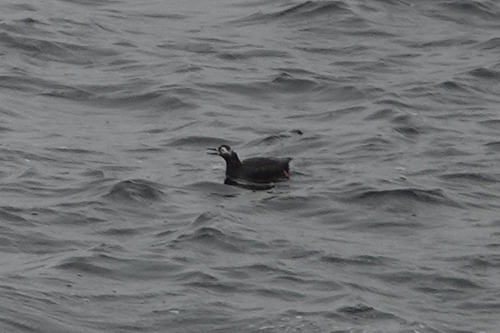
ケイマフリ (Cepphus carbo) ケイマフリ

メディア

読み込み中…

要点

ロングビルド・マーレレットとケイマフリを区別する最も信頼できるフィールドマークは、ケイマフリの顔に見られる大胆な白い「メガネ」の存在です。これはすべての羽色で確認でき、対してマーレレットは地味な顔と微妙な白いアイリングを持っています。両種の幼鳥と非繁殖期の鳥は白い腹部を示しますが、ケイマフリははるかに大きく、体重も重く、目を引く赤い脚を持っています。繁殖羽では、マーレレットは茶色で微細な鱗模様があり、淡い喉を持っていますが、ケイマフリはすす黒で特徴的なメガネを持っています。嘴の形状とサイズ、全体的な体格も、鳥が遠くにいる場合や光が悪い場合に役立ちます。

識別のコツ

  1. 白い顔の「メガネ」(ケイマフリ): 大胆な白いアイリングと目の周りの接続マークは、すべての年齢と季節のケイマフリに特有です。ロングビルド・マーレレットはこれを示さず、せいぜいかすかな白いアイリングしかありません。
  2. 嘴の形と長さ: ロングビルド・マーレレットは、頭のサイズに対して明らかに細長い、長い嘴を持っています。ケイマフリの嘴は黒くてまっすぐですが、はるかに大きな頭に対して短くて太く見えます。
  3. 脚の色: ケイマフリは明るい赤い脚を持ち、しばしば止まっているときや飛び立つときに見えます。ロングビルド・マーレレットの脚は暗く、決して赤くありません。
  4. サイズと体格: ケイマフリははるかに大きく、体重も重い(495 g対マーレレットははるかに軽い)で、体が長く、より頑丈なプロファイルを持っています。マーレレットは小さくてコンパクトです。
  5. 繁殖羽: ロングビルド・マーレレットは淡い羽の縁(鱗模様のように見える)を持つ茶色で、淡い喉を持っています。ケイマフリはすす黒で白いメガネと赤い脚を持ち、腹部は鱗模様ではなく、濃い色です。
  6. 非繁殖羽: 両者とも白い腹部を持っていますが、マーレレットは黒い冠と後頭部を持ち、白いアイリングのある地味な顔をしています。ケイマフリは白い腹部を持っていますが、常に白いメガネと淡い灰褐色の先端を持っています。
  7. 移行羽: 移行中のケイマフリは腹部に白い鱗模様を示しますが、メガネは保持します。マーレレットは非繁殖羽ではメガネや強い鱗模様を示しません。
  8. 幼鳥の羽: 幼鳥のケイマフリは成鳥と区別できますが、常にメガネを示します。幼鳥のマーレレットは非繁殖期の成鳥に似ていますが、顔のメガネはありません。
  9. 翼と飛行パターン: どちらの種にも特有の上翼や飛行パターンのマークは確認されていないため、飛行中は顔や構造的特徴に頼ります。
  10. 生息地の文脈: 鳥が内陸や海岸から遠くで見られた場合、ロングビルド・マーレレットの可能性が高く、ケイマフリは厳密に海岸性です。
  11. 行動: ケイマフリは飛行中や岩の上に止まっているときに赤い脚を示すことがあります。マーレレットはこれを示しません。
  12. 冠と後頭部: マーレレットは非繁殖羽で白い腹部と対照的に黒い冠と後頭部を持っていますが、ケイマフリは上面がより均一に暗いです。
  13. 繁殖時の喉の色: ロングビルド・マーレレットは繁殖羽で淡い喉を持ち、ケイマフリにはありません。
  14. 鱗模様と羽の縁: マーレレットは繁殖羽で微細な淡い羽の縁(鱗模様)を示しますが、ケイマフリは示しません。
  15. 落とし穴: 光が悪い場合や距離がある場合、サイズや嘴の形を判断するのは難しいかもしれませんが、頭が見える場合はメガネの有無が信頼できます。

大きさ

ケイマフリはロングビルド・マーレレットよりもかなり大きく、重いです。ケイマフリは約38 cmの長さに達し、約495 gの重さがあります [wikidata]。これは頑丈でずんぐりしたウミスズメです。それに対して、ロングビルド・マーレレットは約25 cmと小さく、アメリカマダラウミスズメよりも約20%軽いです(アメリカマダラウミスズメ自体はケイマフリよりもはるかに軽いです) [wikipedia]。ケイマフリの大きさは、並べて見たり、スケールとして馴染みのあるウミスズメと一緒に見たりすると通常は明らかです。

羽色

幼鳥と非繁殖期のロングビルド・マーレレットは、黒い冠、後頭部、背中、翼を持つ白い腹部を持っています。彼らは白いアイリングを示しますが、他は地味な顔です。ケイマフリの幼鳥と非繁殖期の成鳥も白い腹部を持っていますが、常に目の周りに大胆な白い「メガネ」を示し、腹部の先端は淡い灰褐色です。繁殖羽では、ロングビルド・マーレレットは主に茶色で淡い羽の縁(鱗模様のように見える)と淡い喉を持っていますが、ケイマフリはすす黒で白いメガネと赤い脚を持っています。移行中のケイマフリは腹部に白い鱗模様を示しますが、メガネは明らかに残ります。両種とも黒い嘴を持っていますが、マーレレットの嘴は細長く、頭のサイズに対して長いです。

行動

両種は潜水性のウミスズメで、水中で低く泳いだり、獲物を求めて潜ったりするのが見られます。ケイマフリの大きなサイズと重い体格は、その動きをより頑丈で、より敏捷性のないものに見せますが、より小さく、より繊細なマーレレットはそうではありません。ケイマフリの明るい赤い脚は、岩の上に座っているときや水から飛び立つときに見えることがあります。ロングビルド・マーレレットは一人または小さな群れで見られる可能性が高く、時には漂流者として内陸で見られることがありますが、ケイマフリはより厳密に海岸性です。

生息環境

ロングビルド・マーレレットは古い成長の森林で繁殖しますが、通常は海で見られるか、まれに海から遠く離れた湖や川で漂流者として見られます。ケイマフリは海岸性の種で、岩のある海岸から遠く離れることはほとんどありません。冬には、マーレレットは保護された湾や内陸に現れることがありますが、ケイマフリは海岸に留まります。塩水から遠くで見られた場合、マーレレットの可能性が高くなります。

より良い説明を送る

比較と同じ項目を使ってください。文章はすぐに公開されます。

The most reliable field mark to separate Long-billed Murrelet from Spectacled Guillemot is the presence of bold white facial 'spectacles' on the guillemot, visible in all plumages, versus the plain face and subtle white eye ring of the murrelet. Juvenile and non-breeding birds of both species show white underparts, but the guillemot is much larger, heavier-bodied, and has striking red legs. In breeding plumage, the murrelet is brown and finely scaled with a pale throat, while the guillemot is sooty-black with its trademark spectacles. Bill shape and size, as well as overall bulk, are also helpful when birds are distant or in poor light.

  1. White facial 'spectacles' (Spectacled Guillemot): The bold white eye-ring and connecting mark around the eye is diagnostic for all ages and seasons of Spectacled Guillemot. Long-billed Murrelet never shows this, only a faint white eye ring at best.
  2. Bill shape and length: Long-billed Murrelet has a noticeably slender, longer bill relative to head size. Spectacled Guillemot's bill is black and straight but appears shorter and stubbier in proportion to its much larger head.
  3. Leg color: Spectacled Guillemot has bright red legs, often visible when perched or taking off. Long-billed Murrelet's legs are dark and never red.
  4. Size and bulk: Spectacled Guillemot is much larger and heavier-bodied (495 g vs. much less for murrelet), with a longer body and more robust profile. Murrelet is small and compact.
  5. Breeding plumage: Long-billed Murrelet is brown with pale feather edges (scaly look) and a pale throat. Spectacled Guillemot is sooty-black with white spectacles and red legs; underparts are not scaly but solid dark.
  6. Non-breeding plumage: Both have white underparts, but murrelet is white below with a black crown and nape, and a plain face with a white eye ring. Guillemot is white below but always with white spectacles and pale grey-brown tips on the underparts.
  7. Transitional plumage: Spectacled Guillemot in transition shows white scaling on the underparts but retains the spectacles. Murrelet never shows spectacles or strong scaling in non-breeding plumage.
  8. Juvenile plumage: Juvenile Spectacled Guillemots are separable from adults, but always show the spectacles. Juvenile murrelets resemble non-breeding adults but lack any facial spectacles.
  9. Wing and flight pattern: No distinctive upperwing or flight pattern marks are noted for either species, so rely on facial and structural features in flight.
  10. Habitat context: If the bird is seen inland or far from the coast, Long-billed Murrelet is much more likely, as Spectacled Guillemot is strictly coastal.
  11. Behavior: Spectacled Guillemot may show red legs in flight or when perched on rocks. Murrelet never shows this.
  12. Crown and nape: Murrelet has a black crown and nape contrasting with white underparts in non-breeding plumage; guillemot is more uniformly dark above.
  13. Throat color in breeding: Long-billed Murrelet has a pale throat in breeding plumage, absent in Spectacled Guillemot.
  14. Scaling and feather edges: Murrelet shows fine pale feather edges (scaling) in breeding plumage; guillemot does not.
  15. Pitfalls: In poor light or at distance, size and bill shape may be hard to judge, but the presence or absence of spectacles is reliable if the head is visible.

Spectacled Guillemot is significantly larger and heavier than Long-billed Murrelet. The guillemot reaches about 38 cm in length and weighs around 495 g [wikidata], making it a robust, chunky auk. In contrast, Long-billed Murrelet is smaller at about 25 cm long and is about 20% lighter than Marbled Murrelet (which itself is much lighter than the guillemot) [wikipedia]. The guillemot's greater size is usually obvious when seen side by side or with familiar auks for scale.

Juvenile and non-breeding Long-billed Murrelets are white below with a black crown, nape, back, and wings; they show a white eye ring but otherwise a plain face. Spectacled Guillemot juveniles and non-breeding adults also have white underparts, but always show bold white 'spectacles' around the eye, and their underparts are tipped pale grey-brown. In breeding plumage, Long-billed Murrelet is mostly brown with pale feather edges (giving a scaly look) and a pale throat, while Spectacled Guillemot is sooty-black with white spectacles and red legs. Transitional guillemots show white scaling on the underparts, but the spectacles remain obvious. Both species have black bills, but the murrelet's is slender and longer relative to head size.

Both species are diving auks and may be seen swimming low in the water or diving for prey. Spectacled Guillemot's larger size and heavier build make its movements appear more robust and less agile than the smaller, more delicate murrelet. The guillemot's bright red legs may be visible when it sits on rocks or takes off from the water. Long-billed Murrelet is more likely to be seen alone or in small groups, sometimes far inland as a vagrant, while Spectacled Guillemot is more strictly coastal.

Long-billed Murrelet breeds inland in old-growth forests but is usually seen at sea or, rarely, as a vagrant on lakes and rivers far from the ocean. Spectacled Guillemot is a coastal species, rarely straying far from rocky marine shores. In winter, murrelets may appear in sheltered bays or even inland, while guillemots remain tied to the coast. If seen far from saltwater, a murrelet is much more likely.

変更を破棄しますか?

保存していない編集があります。今離れると失われます。

マダラウミスズメ · ケイマフリ · 苦手な鳥