

Long-billed Murrelet vs Spectacled Guillemot
Brachyramphus perdix contro Cepphus carbo
Fai un quiz con Long-billed Murrelet e Spectacled Guillemot
 Long-billed Murrelet
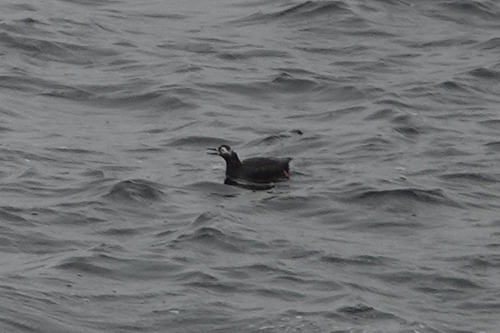 Spectacled Guillemot
In breve
Il segno distintivo più affidabile per separare il Long-billed Murrelet dallo Spectacled Guillemot è la presenza di audaci 'occhiali' bianchi sul guillemot, visibili in tutte le livree, rispetto al volto semplice e al sottile anello oculare bianco del murrelet. Gli uccelli giovanili e non in riproduzione di entrambe le specie mostrano parti inferiori bianche, ma il guillemot è molto più grande, con un corpo più pesante e ha gambe rosse sorprendenti. In livrea di riproduzione, il murrelet è marrone e finemente squamato con una gola chiara, mentre il guillemot è nero pece con i suoi caratteristici occhiali. La forma e la dimensione del becco, così come il volume complessivo, sono anche utili quando gli uccelli sono distanti o in scarsa luce.
Consigli di identificazione
- Occhiali bianchi sul volto (Spectacled Guillemot): L'audace anello oculare bianco e il segno di collegamento attorno all'occhio sono diagnostici per tutte le età e stagioni dello Spectacled Guillemot. Il Long-billed Murrelet non mostra mai questo, solo un debole anello oculare bianco al massimo.
- Forma e lunghezza del becco: Il Long-billed Murrelet ha un becco visibilmente snello e più lungo rispetto alla dimensione della testa. Il becco dello Spectacled Guillemot è nero e dritto ma appare più corto e tozzo in proporzione alla sua testa molto più grande.
- Colore delle gambe: Lo Spectacled Guillemot ha gambe rosse brillanti, spesso visibili quando è posato o decolla. Le gambe del Long-billed Murrelet sono scure e mai rosse.
- Dimensione e volume: Lo Spectacled Guillemot è molto più grande e con un corpo più pesante (495 g contro molto meno per il murrelet), con un corpo più lungo e un profilo più robusto. Il murrelet è piccolo e compatto.
- Livrea di riproduzione: Il Long-billed Murrelet è marrone con bordi delle piume chiari (aspetto squamato) e una gola chiara. Lo Spectacled Guillemot è nero pece con occhiali bianchi e gambe rosse; le parti inferiori non sono squamose ma di un colore scuro solido.
- Livrea non in riproduzione: Entrambi hanno parti inferiori bianche, ma il murrelet è bianco sotto con una corona e nuca nere, e un volto semplice con un anello oculare bianco. Il guillemot è bianco sotto ma sempre con occhiali bianchi e punte grigio-marroni chiare sulle parti inferiori.
- Livrea transitoria: Lo Spectacled Guillemot in transizione mostra squamature bianche sulle parti inferiori ma mantiene gli occhiali. Il murrelet non mostra mai occhiali o forti squamature in livrea non in riproduzione.
- Livrea giovanile: I giovanili Spectacled Guillemots sono separabili dagli adulti, ma mostrano sempre gli occhiali. I giovanili murrelets assomigliano agli adulti non in riproduzione ma mancano di qualsiasi occhiale facciale.
- Ali e schema di volo: Non ci sono segni distintivi sulle ali superiori o sullo schema di volo per nessuna delle due specie, quindi fare affidamento su caratteristiche facciali e strutturali in volo.
- Contesto dell'habitat: Se l'uccello viene visto nell'entroterra o lontano dalla costa, è molto più probabile che sia un Long-billed Murrelet, poiché lo Spectacled Guillemot è strettamente costiero.
- Comportamento: Lo Spectacled Guillemot può mostrare gambe rosse in volo o quando è posato su rocce. Il murrelet non mostra mai questo.
- Corona e nuca: Il murrelet ha una corona e una nuca nere che contrastano con le parti inferiori bianche in livrea non in riproduzione; il guillemot è più uniformemente scuro sopra.
- Colore della gola in riproduzione: Il Long-billed Murrelet ha una gola chiara in livrea di riproduzione, assente nello Spectacled Guillemot.
- Squamature e bordi delle piume: Il murrelet mostra bordi delle piume chiari e fini (squamature) in livrea di riproduzione; il guillemot non lo fa.
- Trappole: In scarsa luce o a distanza, la dimensione e la forma del becco possono essere difficili da giudicare, ma la presenza o l'assenza di occhiali è affidabile se la testa è visibile.
Taglia
Lo Spectacled Guillemot è significativamente più grande e pesante del Long-billed Murrelet. Il guillemot raggiunge circa 38 cm di lunghezza e pesa circa 495 g [wikidata], rendendolo un auk robusto e massiccio. Al contrario, il Long-billed Murrelet è più piccolo, circa 25 cm di lunghezza ed è circa il 20% più leggero del Marbled Murrelet (che è a sua volta molto più leggero del guillemot) [wikipedia]. La maggiore dimensione del guillemot è solitamente ovvia quando viene visto fianco a fianco o con auks familiari per scala.
Piumaggio
I Long-billed Murrelets giovanili e non in riproduzione sono bianchi sotto con una corona nera, nuca, dorso e ali; mostrano un anello oculare bianco ma altrimenti un volto semplice. I giovanili e gli adulti non in riproduzione dello Spectacled Guillemot hanno anch'essi parti inferiori bianche, ma mostrano sempre audaci 'occhiali' bianchi attorno all'occhio, e le loro parti inferiori sono punte di grigio-marrone chiaro. In livrea di riproduzione, il Long-billed Murrelet è per lo più marrone con bordi delle piume chiari (che danno un aspetto squamato) e una gola chiara, mentre lo Spectacled Guillemot è nero pece con occhiali bianchi e gambe rosse. I guillemots transitori mostrano squamature bianche sulle parti inferiori, ma gli occhiali rimangono evidenti. Entrambe le specie hanno becchi neri, ma quello del murrelet è snello e più lungo rispetto alla dimensione della testa.
Comportamento
Entrambe le specie sono auk da immersione e possono essere viste nuotare basse nell'acqua o immergersi per la preda. La maggiore dimensione e la costruzione più pesante dello Spectacled Guillemot fanno apparire i suoi movimenti più robusti e meno agili rispetto al murrelet più piccolo e delicato. Le gambe rosse brillanti del guillemot possono essere visibili quando si siede su rocce o decolla dall'acqua. Il Long-billed Murrelet è più probabile che venga visto da solo o in piccoli gruppi, a volte lontano nell'entroterra come vagrante, mentre lo Spectacled Guillemot è più strettamente costiero.
Habitat
Il Long-billed Murrelet nidifica nell'entroterra in foreste di vecchia crescita ma di solito viene visto in mare o, raramente, come vagrante in laghi e fiumi lontani dall'oceano. Lo Spectacled Guillemot è una specie costiera, raramente si allontana dalle coste marine rocciose. In inverno, i murrelets possono apparire in baie riparate o anche nell'entroterra, mentre i guillemots rimangono legati alla costa. Se visti lontano dall'acqua salata, è molto più probabile che si tratti di un murrelet.
Long-billed Murrelet · Spectacled Guillemot · I miei uccelli difficili