

Motmot

Long-billed Gnatwren 対 White-browed Gnatcatcher

Ramphocaenus melanurus 対 Polioptila bilineata

Long-billed GnatwrenとWhite-browed Gnatcatcherのクイズ
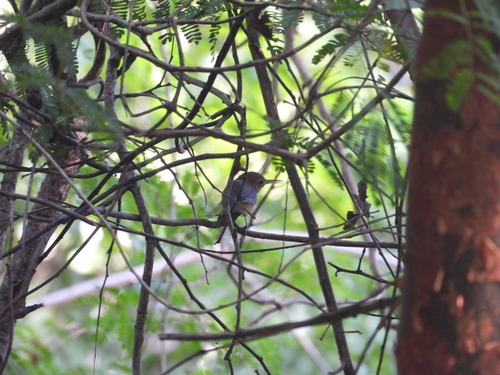
Long-billed Gnatwren (Ramphocaenus melanurus) Long-billed Gnatwren
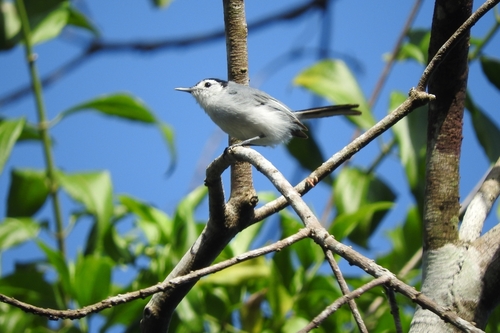
White-browed Gnatcatcher (Polioptila bilineata) White-browed Gnatcatcher

メディア

読み込み中…

要点

Long-billed GnatwrenとWhite-browed Gnatcatcherを区別する最も信頼できるフィールドマークは、gnatwrenの独特な構造です:長くて細いくちばしと短くて立てた黒と白の尾で、しばしば振られます。それに対して、White-browed Gnatcatcherは、比例的に短くて細いくちばしと長い尾を持つ、より典型的なgnatcatcherの形をしています。また、gnatwrenの独特な尾のパターンはありません。成鳥のLong-billed Gnatwrensは頭の側面に赤褐色を示し、腹部は淡黄色ですが、White-browed Gnatcatchersは目立つ白い眉を持ち、赤褐色の色合いはありません。これらの違いは、止まっているときと活発に餌を探しているときの両方で見ることができますが、構造と尾のパターンは一目で最も信頼できます。

識別のコツ

  1. Bill shape and length: Long-billed Gnatwrenは、頭よりもかなり長くて細いくちばしを持っており、White-browed Gnatcatcherのくちばしは短くて細いです。これはすべての年齢と性別で見ることができます。
  2. Tail structure and pattern: gnatwrenの尾は短く、立てていて、黒で、中央の羽を除いてすべての羽の先端が白いです。しばしば振られたり、 flickedされたりします。Gnatcatcherの尾は長く、細く、はっきりした黒と白のパターンがなく、代わりにほとんどが暗く、白い外縁があります。これはすべての年齢で診断的です。
  3. Head pattern: 成鳥のgnatwrenは、特にいくつかの亜種で、頭の側面に赤褐色を示しますが、White-browed Gnatcatcherは明確な白い眉(supercilium)を持ち、赤褐色はありません。白い眉はgnatcatcherの重要なマークです。
  4. Underparts: Gnatwrenの喉は白く、腹部と側面は淡黄色にグラデーションし、特定の亜種ではより多くの淡黄色が見られることがあります。Gnatcatcherは、淡黄色がほとんどない、より清潔で白い腹部を持っています。
  5. Upperparts: Gnatwrenは上面が灰褐色ですが、gnatcatcherはより均一な灰色または青灰色で、赤褐色の色合いはありません。
  6. Behavior: Gnatwrenは、密な絡まりの中を低く這い回り、マウスのように動き、隠れるようにします。Gnatcatcherはより活発で、木の高いところで餌を探し、開いた葉の中を素早く移動します。
  7. Tail movement: Gnatwrenは頻繁に尾を立てたり振ったりし、黒と白のパターンを明確にします。Gnatcatcherは尾を振りますが、あまり鋭く立てません。
  8. Habitat: Gnatwrenはほぼ常に密で低い下草の中にいますが、gnatcatcherはよりオープンな森林、森林の端、木の高いところにいることが多いです。
  9. Voice: Gnatwrenは急速でトリルのかかったdrdrdrdrdrdrdrdrdrdrの呼び声を出しますが、gnatcatcherの声はより高音でトリルが少ないです(詳細はメモにありませんが、グループに典型的です)。
  10. Jizz: Gnatwrenは長いくちばしと短い尾のために、より細長く、バランスが取れていないように見えますが、gnatcatcherはより均等に比例しています。
  11. Subspecies variation: 一部のgnatwrenの亜種(例:R. m. trinitatis)は、より淡い腹部とより多くの淡黄色を持っていますが、常に長いくちばしと尾のパターンを示します。
  12. Group association: Gnatcatchersはペアまたは小さなグループで見られる可能性が高いですが、gnatwrenはしばしば孤独で、混合フロックの中にいますが、低く隠れています。
  13. Perched vs. in flight: gnatwrenの立てた尾と長いくちばしは、止まっているときと動いているときの両方で見ることができますが、gnatcatcherの長い尾と白い眉は、止まっているときや開いた葉の中で餌を探しているときに最もよく見えます。
  14. Pitfalls: 照明が悪いと、gnatwrenの赤褐色の頭の側面は見えにくいかもしれませんが、くちばしと尾のパターンは信頼できます。Gnatcatchersは、いくつかの光の中でより茶色に見えることがありますが、gnatwrenの尾のパターンや構造は決して示しません。
  15. When marks fail: もしシルエットだけが見えた場合は、尾の長さと姿勢に焦点を当ててください:短くて立てた(gnatwren)対長くて真っ直ぐ(gnatcatcher)。

大きさ

Long-billed Gnatwrenは非常に小さな鳥で、約10グラムの重さです[wikidata]。White-browed Gnatcatcherも同様に小さな鳥です(正確な質量は示されていませんが、Polioptilaに典型的です)。フィールドでは、両種は小さくて活発に見えますが、gnatwrenの長いくちばしと短い尾は、gnatcatcherのより均等な比率よりも細長く、バランスが取れていないように見えます。

羽色

成鳥のLong-billed Gnatwrensは灰褐色の上面、頭の側面に赤褐色、腹部は淡黄色にグラデーションし、中央の羽を除いてすべての羽の先端が白い黒い尾を持っています。尾は頻繁に立てられ、振られ、黒と白のパターンが明確になります。亜種の変異が存在し、一部(例:R. m. trinitatis)はより淡い腹部とより多くの淡黄色の側面を示します。それに対して、White-browed Gnatcatcherの成鳥は明確な白いsupercilium(眉)を示し、顔に赤褐色はなく、より均一な灰色または青灰色の上面とより白い腹部を持っています。彼らの尾は長く、細く、gnatwrenのはっきりした黒と白のパターンがなく、代わりにほとんどが暗く、白い外縁があります。幼鳥や未熟な羽毛は、メモには詳細に記載されていませんが、gnatwrenの尾のパターンはすべての年齢で存在します。

行動

Long-billed Gnatwrenは、密な下草や絡まりの中を這い回っているのがよく見られ、マウスのように動き、頻繁に尾を振ったり立てたりします。低く留まる傾向があり、昆虫を捕まえるために飛び出すことは少ないです。White-browed Gnatcatcherは、オープンな葉の中でより活発で、木の高いところで飛び回り、しばしば尾を振りますが、あまり鋭く立てません。Gnatcatchersはペアまたは小さなグループで見られる可能性が高く、ミッドから上層のキャノピーで活発に餌を探しています。

生息環境

Long-billed Gnatwrenは、湿った森林、森林の端、茂みの中の密で絡まった下草に生息し、メキシコ南東部からアマゾニアにかけて分布しています。低い層を好み、動き以外では見つけにくいことが多いです。White-browed Gnatcatcherは、よりオープンな森林や端を含む広範な森林生息地を占めており、木の中層から上層で見られる可能性が高いです。森林の端での重複は可能ですが、gnatwrenは密で低い植生により厳密に結びついています。

声

Long-billed Gnatwrenは、急速なdrdrdrdrdrdrdrdrdrdrと表現される独特のトリルの呼び声を出します。White-browed Gnatcatcherの声はメモには記載されていませんが、gnatcatchersは通常、細く高音の呼び声と短いブズー音の歌を出します。gnatwrenの急速なトリルは、聞こえた場合の有用な手がかりです。

より良い説明を送る

比較と同じ項目を使ってください。文章はすぐに公開されます。

The most reliable field mark separating Long-billed Gnatwren from White-browed Gnatcatcher is the gnatwren’s distinctive structure: a long, thin bill and a short, cocked, black-and-white tail, often wagged. In contrast, White-browed Gnatcatcher has a more typical gnatcatcher shape with a proportionally shorter, finer bill and longer tail, and lacks the gnatwren’s unique tail pattern. Adult Long-billed Gnatwrens show rufous on the head sides and buff underparts, while White-browed Gnatcatchers have a prominent white brow and lack rufous tones. These differences are visible both perched and in active foraging, but structure and tail pattern are most reliable at a glance.

  1. Bill shape and length: Long-billed Gnatwren has a noticeably long, thin bill, much longer than the head, while White-browed Gnatcatcher’s bill is shorter and finer. This is visible in all ages and sexes.
  2. Tail structure and pattern: The gnatwren’s tail is short, cocked, and black with white tips to all but the central feathers, often wagged or flicked. Gnatcatcher’s tail is longer, slimmer, and lacks the bold black-and-white pattern; instead, it is mostly dark with white outer edges. This is diagnostic in all ages.
  3. Head pattern: Adult gnatwren shows rufous on the sides of the head, especially in some subspecies, while White-browed Gnatcatcher has a clear white brow (supercilium) and no rufous. The white brow is a key mark for the gnatcatcher.
  4. Underparts: Gnatwren’s throat is white, grading to buff on the belly and flanks, sometimes with more buff in certain subspecies. Gnatcatcher has cleaner, whiter underparts with little or no buff.
  5. Upperparts: Gnatwren is grey-brown above; gnatcatcher is more uniform grey or bluish-grey, lacking the brownish tones.
  6. Behavior: Gnatwren creeps low in dense tangles, moving mouse-like and skulking. Gnatcatcher is more active, foraging higher in trees and moving quickly through open foliage.
  7. Tail movement: Gnatwren frequently cocks and wags its tail, making the black-and-white pattern obvious. Gnatcatcher flicks its tail but does not cock it as sharply.
  8. Habitat: Gnatwren is almost always in dense, low undergrowth; gnatcatcher is more often in open woodland, forest edge, and higher in trees.
  9. Voice: Gnatwren gives a rapid, trilled drdrdrdrdrdrdrdrdrdr call; gnatcatcher’s voice is higher-pitched and less trilled (details not in notes, but typical for the group).
  10. Jizz: Gnatwren looks more attenuated and less balanced due to its long bill and short tail; gnatcatcher is more evenly proportioned.
  11. Subspecies variation: Some gnatwren subspecies (e.g., R. m. trinitatis) are paler below with more buff, but always show the long bill and tail pattern.
  12. Group association: Gnatcatchers are more likely to be seen in pairs or small groups; gnatwren is often solitary or in mixed flocks but stays low and hidden.
  13. Perched vs. in flight: The gnatwren’s cocked tail and long bill are visible both perched and moving; gnatcatcher’s longer tail and white brow show best when perched or foraging in open foliage.
  14. Pitfalls: In poor light, the gnatwren’s rufous head sides may be hard to see, but the bill and tail pattern remain reliable. Gnatcatchers can appear browner in some lights, but never show the gnatwren’s tail pattern or structure.
  15. When marks fail: If only a silhouette is seen, focus on tail length and carriage: short and cocked (gnatwren) vs. long and straight (gnatcatcher).

Long-billed Gnatwren is a very small bird, weighing about 10 grams [wikidata], similar to the White-browed Gnatcatcher, which is also a tiny bird (exact mass not given, but typical for Polioptila). In the field, both species appear small and active, but the gnatwren’s long bill and short tail make it look more attenuated and less balanced than the gnatcatcher’s more even proportions.

Adult Long-billed Gnatwrens have grey-brown upperparts, rufous sides to the head, a white throat fading to buff underparts, and a black tail with white tips to all but the central feathers. The tail is frequently cocked and wagged, making the black-and-white pattern obvious. Subspecies variation exists, with some (e.g., R. m. trinitatis) showing paler underparts and buffier flanks. In contrast, White-browed Gnatcatcher adults show a clear white supercilium (brow), lack rufous on the face, and have more uniform grey or bluish-grey upperparts and whiter underparts. Their tail is longer, slimmer, and lacks the bold black-and-white pattern of the gnatwren, instead being mostly dark with white outer edges. Juvenile and immature plumages are not described in detail for either species in the notes, but the gnatwren’s tail pattern is present in all ages.

Long-billed Gnatwren is often seen creeping through dense undergrowth or tangles, moving with a mouse-like, skulking motion, and frequently flicking or wagging its cocked tail. It tends to stay low and is less likely to sally out for insects. White-browed Gnatcatcher is more active in open foliage, flitting about higher in trees, often flicking its tail but not cocking it as sharply. Gnatcatchers are more likely to be seen in pairs or small groups, actively foraging in the mid to upper canopy.

Long-billed Gnatwren is found in dense, tangled undergrowth in humid forests, forest edges, and thickets, from southeast Mexico to Amazonia. It prefers lower strata and is often hard to spot except for its movement. White-browed Gnatcatcher occupies a broader range of wooded habitats, including more open forests and edges, and is more likely to be seen in the mid to upper levels of trees. Overlap is possible at forest edges, but the gnatwren is more strictly tied to dense, low vegetation.

Long-billed Gnatwren gives a distinctive trilled call, described as a rapid drdrdrdrdrdrdrdrdrdr. White-browed Gnatcatcher’s voice is not described in the notes, but gnatcatchers typically give thin, high-pitched calls and short, buzzy songs. The gnatwren’s rapid trill is a useful clue if heard.

変更を破棄しますか?

保存していない編集があります。今離れると失われます。

Long-billed Gnatwren · White-browed Gnatcatcher · 苦手な鳥