

Long-billed Gnatwren vs White-browed Gnatcatcher
Ramphocaenus melanurus contro Polioptila bilineata
Fai un quiz con Long-billed Gnatwren e White-browed Gnatcatcher
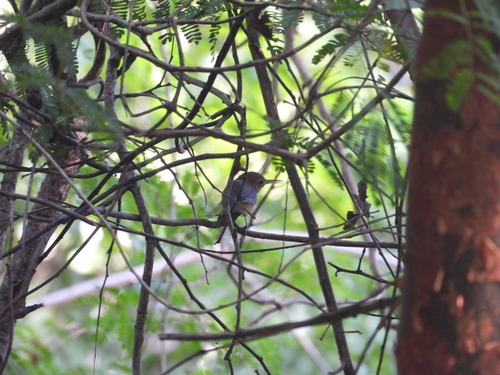 Long-billed Gnatwren
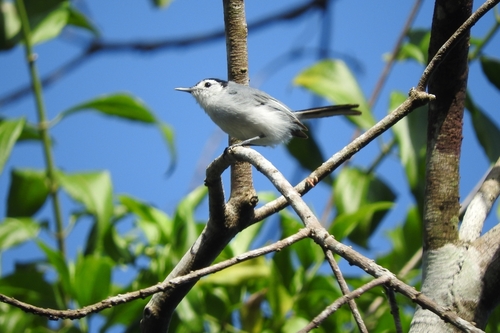 White-browed Gnatcatcher
In breve
Il segno di campo più affidabile che separa il Long-billed Gnatwren dal White-browed Gnatcatcher è la struttura distintiva del gnatwren: un becco lungo e sottile e una coda corta, inclinata, bianco e nera, spesso scossa. Al contrario, il White-browed Gnatcatcher ha una forma di gnatcatcher più tipica con un becco proporzionalmente più corto e fine e una coda più lunga, e manca del modello unico di coda del gnatwren. I Long-billed Gnatwrens adulti mostrano ruggine sui lati della testa e parti inferiori color crema, mentre i White-browed Gnatcatchers hanno una prominente sopracciglia bianca e mancano di toni rugginosi. Queste differenze sono visibili sia in posizione perpendicolare che durante la ricerca attiva di cibo, ma la struttura e il modello di coda sono i più affidabili a colpo d'occhio.
Consigli di identificazione
- Forma e lunghezza del becco: Il Long-billed Gnatwren ha un becco lungo e sottile, molto più lungo della testa, mentre il becco del White-browed Gnatcatcher è più corto e fine. Questo è visibile in tutte le età e sessi.
- Struttura e modello della coda: La coda del gnatwren è corta, inclinata e nera con punte bianche su tutte tranne le piume centrali, spesso scossa o flickata. La coda del gnatcatcher è più lunga, più snella e manca del modello audace bianco e nero; invece, è per lo più scura con bordi esterni bianchi. Questo è diagnostico in tutte le età.
- Modello della testa: Il gnatwren adulto mostra ruggine sui lati della testa, specialmente in alcune sottospecie, mentre il White-browed Gnatcatcher ha una chiara sopracciglia bianca (supercilium) e nessuna ruggine. La sopracciglia bianca è un segno chiave per il gnatcatcher.
- Parti inferiori: La gola del gnatwren è bianca, sfumando a color crema sul ventre e sui fianchi, a volte con più crema in alcune sottospecie. Il gnatcatcher ha parti inferiori più pulite e bianche con poco o nessun crema.
- Parti superiori: Il gnatwren è marrone-grigio sopra; il gnatcatcher è di un grigio più uniforme o grigio-bluastro, privo di toni marroni.
- Comportamento: Il gnatwren si muove in basso in grovigli densi, muovendosi in modo simile a un topo e nascondendosi. Il gnatcatcher è più attivo, cercando cibo più in alto negli alberi e muovendosi rapidamente attraverso il fogliame aperto.
- Movimento della coda: Il gnatwren inclina e scuote frequentemente la sua coda, rendendo il modello bianco e nero ovvio. Il gnatcatcher flicka la sua coda ma non la inclina così bruscamente.
- Habitat: Il gnatwren è quasi sempre in densi sottoboschi; il gnatcatcher è più spesso in boschi aperti, ai margini delle foreste e più in alto negli alberi.
- Voce: Il gnatwren emette un rapido richiamo trillato drdrdrdrdrdrdrdrdrdr; la voce del gnatcatcher è più acuta e meno trillata (dettagli non presenti nelle note, ma tipici per il gruppo).
- Jizz: Il gnatwren appare più allungato e meno bilanciato a causa del suo lungo becco e della corta coda; il gnatcatcher è più proporzionato.
- Variazione delle sottospecie: Alcune sottospecie di gnatwren (ad es., R. m. trinitatis) sono più chiare sotto con più crema, ma mostrano sempre il lungo becco e il modello di coda.
- Associazione di gruppo: I gnatcatchers sono più propensi a essere visti in coppie o piccoli gruppi; il gnatwren è spesso solitario o in stormi misti ma rimane basso e nascosto.
- In posizione perpendicolare vs. in volo: La coda inclinata e il lungo becco del gnatwren sono visibili sia in posizione perpendicolare che in movimento; la coda più lunga e la sopracciglia bianca del gnatcatcher si vedono meglio quando è in posizione perpendicolare o cerca cibo nel fogliame aperto.
- Trappole: In scarsa illuminazione, i lati della testa ruggine del gnatwren possono essere difficili da vedere, ma il becco e il modello di coda rimangono affidabili. I gnatcatchers possono apparire più marroni in alcune luci, ma non mostrano mai il modello o la struttura della coda del gnatwren.
- Quando i segni falliscono: Se si vede solo una silhouette, concentrarsi sulla lunghezza e sulla posizione della coda: corta e inclinata (gnatwren) vs. lunga e dritta (gnatcatcher).
Taglia
Il Long-billed Gnatwren è un uccello molto piccolo, che pesa circa 10 grammi [wikidata], simile al White-browed Gnatcatcher, che è anch'esso un uccello minuscolo (massa esatta non fornita, ma tipica per Polioptila). Sul campo, entrambe le specie appaiono piccole e attive, ma il lungo becco e la corta coda del gnatwren lo fanno apparire più allungato e meno bilanciato rispetto alle proporzioni più uniformi del gnatcatcher.
Piumaggio
I Long-billed Gnatwrens adulti hanno parti superiori marrone-grigio, lati della testa rugginosi, una gola bianca che sfuma in parti inferiori color crema, e una coda nera con punte bianche su tutte tranne le piume centrali. La coda è frequentemente inclinata e scossa, rendendo il modello bianco e nero ovvio. Esiste una variazione delle sottospecie, con alcune (ad es., R. m. trinitatis) che mostrano parti inferiori più chiare e fianchi più color crema. Al contrario, gli adulti del White-browed Gnatcatcher mostrano un chiaro supercilium bianco (sopracciglia), mancano di ruggine sul viso e hanno parti superiori più uniformi grigio o grigio-bluastro e parti inferiori più bianche. La loro coda è più lunga, più snella e manca del modello audace bianco e nero del gnatwren, essendo invece per lo più scura con bordi esterni bianchi. Le piume giovanili e immature non sono descritte in dettaglio per nessuna delle due specie nelle note, ma il modello di coda del gnatwren è presente in tutte le età.
Comportamento
Il Long-billed Gnatwren è spesso visto strisciare attraverso densi sottoboschi o grovigli, muovendosi con un movimento simile a un topo e nascondendosi, e frequentemente flickando o scuotendo la sua coda inclinata. Tende a rimanere basso ed è meno propenso a lanciarsi per gli insetti. Il White-browed Gnatcatcher è più attivo nel fogliame aperto, svolazzando più in alto negli alberi, spesso flickando la sua coda ma non inclinando così bruscamente. I gnatcatchers sono più propensi a essere visti in coppie o piccoli gruppi, cercando attivamente cibo nella parte centrale o superiore della chioma.
Habitat
Il Long-billed Gnatwren si trova in densi sottoboschi intrecciati in foreste umide, ai margini delle foreste e nei cespugli, dal sud-est del Messico all'Amazzonia. Preferisce strati inferiori ed è spesso difficile da individuare tranne che per il suo movimento. Il White-browed Gnatcatcher occupa una gamma più ampia di habitat boschivi, inclusi boschi più aperti e margini, ed è più probabile che venga visto nei livelli medi o superiori degli alberi. È possibile un sovrapposizione ai margini delle foreste, ma il gnatwren è più strettamente legato a vegetazione densa e bassa.
Voce
Il Long-billed Gnatwren emette un richiamo trillato distintivo, descritto come un rapido drdrdrdrdrdrdrdrdrdr. La voce del White-browed Gnatcatcher non è descritta nelle note, ma i gnatcatchers tipicamente emettono richiami sottili e acuti e brevi canti ronzanti. Il rapido trill del gnatwren è un utile indizio se udito.
Long-billed Gnatwren · White-browed Gnatcatcher · I miei uccelli difficili