

Motmot

アメリカダイシャクシギ 対 アメリカオオソリハシシギ

Numenius americanus 対 Limosa fedoa

アメリカダイシャクシギとアメリカオオソリハシシギのクイズ
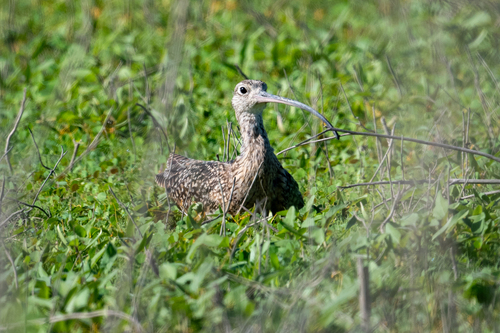
アメリカダイシャクシギ (Numenius americanus) アメリカダイシャクシギ
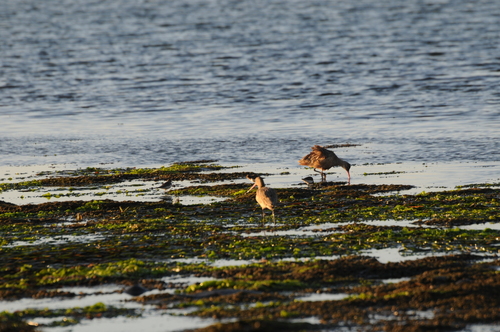
アメリカオオソリハシシギ (Limosa fedoa) アメリカオオソリハシシギ

メディア

読み込み中…

要点

アメリカダイシャクシギとアメリカオオソリハシシギの最も信頼できるフィールドマークはくちばしです:ダイシャクシギのくちばしは非常に長く、細く、強く下向きに曲がっているのに対し、オオソリハシシギのくちばしは長いですが、より真っ直ぐでわずかに上向きになっており、ピンクがかった基部があります。飛行中、両者は翼の下に豊かなシナモン色のトーンを示しますが、オオソリハシシギのものは特に明るいシナモン色の翼の裏地として目立ちます。ダイシャクシギは明らかに大きく、がっしりとしており、首が長く、くちばしがより誇張されています。両種は全体的に似たような茶色がかった、縞模様の羽毛を持っていますが、構造とくちばしの形に注意を払うことで、特に距離がある場合や幼鳥の中ではほとんどのフィールドでの混乱を解決できます。

識別のコツ

  1. Bill shape and length: 最も診断的な特徴。アメリカダイシャクシギは非常に長く、細く、強く下向きに曲がったくちばしを持ち、しばしば頭の長さのほぼ2倍です。アメリカオオソリハシシギのくちばしは長いですが、わずかに上向きで、ピンクがかった基部と暗い先端があります。これは遠くからでも、すべての羽毛で見ることができます。
  2. Size and bulk: ダイシャクシギははるかに大きく、重く、明らかに長い首とがっしりした体を持っています。混合群れでは、ダイシャクシギはオオソリハシシギを圧倒します。
  3. Neck and head: ダイシャクシギは相対的に長い首と小さな頭を持ち、より伸びた外観を与えます。オオソリハシシギの頭と首はよりバランスが取れていてコンパクトです。
  4. Underwing color in flight: 両者はシナモン色の翼の下を示しますが、オオソリハシシギのものは特に明るく、翼の裏地に集中しており、飛行中に豊かなオレンジシナモン色を点滅させます。ダイシャクシギの翼の下はシナモン色ですが、あまり目立たず、より拡散しています。
  5. Leg color: オオソリハシシギは長い青灰色の脚を持ち、良い光の中で目立つことがあります。ダイシャクシギの脚は目立たず、色もはっきりしていません。
  6. Back and flank pattern: オオソリハシシギの背中はより重くまだら模様で、胸/側面は明確に縞模様です。ダイシャクシギの下部はより均一な淡いシナモン色で、縞模様の冠があります。
  7. Bill color: オオソリハシシギのくちばしは基部が明確にピンクで、暗い先端があり、特に近距離で目立ちます。ダイシャクシギのくちばしはすべて暗いです。
  8. Foraging posture: ダイシャクシギはしばしば長いくちばしを使って柔らかい泥や草の中を左右に掃くように餌を探しますが、オオソリハシシギは短い草の中で視覚的に獲物をついばむことがあります。
  9. Flight silhouette: ダイシャクシギの長い首とくちばしは飛行中に体を超えてよく突き出し、伸びた、ほぼ不格好な外観を与えます。オオソリハシシギはよりコンパクトで、より真っ直ぐなくちばしと少ない首の突き出しを持っています。
  10. Sex differences: 雌のダイシャクシギは雄よりもさらに大きく、長いくちばしを持っていますが、両方の性別は構造によってオオソリハシシギと容易に区別されます。
  11. Habitat context: ダイシャクシギは乾燥した草原や開けた野原にいる可能性が高く、特に繁殖期には、オオソリハシシギは湿った泥干潟や湿地により結びついていますが、両者は移動や冬に広く重なります。
  12. Seasonal confusion: 冬には、両種が沿岸の泥干潟で一緒に見られることがあります。構造とくちばしの形が最良の区別点です。
  13. Juvenile confusion: どちらの種にも特有の幼鳥の翼の模様は記載されていないため、幼鳥に対しても構造とくちばしに頼る必要があります。
  14. Voice: 情報源では詳細にカバーされていません。このペアの分離に音声を頼らないでください。
  15. Pitfalls: 遠距離では、くちばしが下向きのオオソリハシシギは表面的にダイシャクシギのように見えることがありますが、くちばしは決してそれほど長くも深く曲がってもいません。ダイシャクシギのくちばしは、どのオオソリハシシギよりも常に劇的に長く、より曲がっています。

大きさ

アメリカダイシャクシギはアメリカオオソリハシシギよりもかなり大きく、重いです。ダイシャクシギの平均体重は約699 gで、長さは50–65 cm、翼幅は62–90 cmです。アメリカオオソリハシシギは小さく、長さは40–50 cm、翼幅は70–88 cmで、雌の平均体重は約391 gです。フィールドでは、ダイシャクシギはがっしりして見え、首が長く、相対的にずっと長いくちばしを持っています。オオソリハシシギは、 shorebirdsとしては大きいですが、ダイシャクシギよりも明らかに細く、軽いです。

羽色

行動

両種は泥干潟、湿地、ビーチで探餌しますが、アメリカオオソリハシシギは短い草の中で視覚的に昆虫をついばむ姿が見られることが多いです。両種は開けた場所で休んでいるのが見られ、しばしば片足で立っています。飛行中、ダイシャクシギは長い首とくちばしを突き出して、より緩やかでループ状の飛行を示しますが、オオソリハシシギはより直接的でコンパクトです。ダイシャクシギは繁殖地で華やかな求愛飛行を示しますが、これは繁殖期以外ではフィールドでの分離点になることはほとんどありません。

生息環境

両種は草原で繁殖し、冬には沿岸の泥干潟やビーチに移動します。アメリカダイシャクシギは北アメリカの西中央部で繁殖し、主に南方および沿岸で越冬します。アメリカオオソリハシシギはカナダ中央部、北中央部のアメリカ、アラスカ(L. f. beringiaeの場合)で繁殖し、南部のアメリカ沿岸や南アメリカに越冬します。混合群れでは、ダイシャクシギは乾燥した草原や開けた野原で見られる可能性が高く、オオソリハシシギは湿った泥干潟や湿地により結びついていますが、移動や冬にはかなりの重なりがあります。

より良い説明を送る

比較と同じ項目を使ってください。文章はすぐに公開されます。

The most reliable field mark between Long-billed Curlew and Marbled Godwit is the bill: curlew’s is extremely long, thin, and strongly downcurved, while godwit’s is long but straighter with a slight upturn and a pinkish base. In flight, both show rich cinnamon tones under the wings, but godwit’s are especially obvious as bright cinnamon wing linings. The curlew is noticeably larger and bulkier, with a longer neck and a more exaggerated bill. Both species share similar overall brownish, streaked plumage, but careful attention to structure and bill shape will resolve most field confusion, especially at a distance or among immatures.

  1. Bill shape and length: The single most diagnostic feature. Long-billed Curlew has an extremely long, thin, and strongly downcurved bill, often nearly twice the length of the head. Marbled Godwit’s bill is long but only slightly upturned, with a pinkish base and dark tip. This is visible at great distance and in all plumages.
  2. Size and bulk: Curlew is much larger and heavier, with a noticeably longer neck and bulkier body. In mixed flocks, curlews dwarf godwits.
  3. Neck and head: Curlew has a proportionally longer neck and smaller head, giving a more stretched appearance. Godwit’s head and neck are more balanced and compact.
  4. Underwing color in flight: Both show cinnamon underwings, but godwit’s are especially bright and concentrated in the wing linings, flashing rich orange-cinnamon in flight. Curlew’s underwing is cinnamon but less striking and more diffuse.
  5. Leg color: Godwit has long blue-grey legs, which can stand out in good light. Curlew’s legs are less conspicuous and not as distinctly colored.
  6. Back and flank pattern: Godwit’s back is more heavily mottled and the breast/flanks are distinctly barred. Curlew’s underparts are more uniformly pale cinnamon, with a streaked crown.
  7. Bill color: Godwit’s bill is distinctly pink at the base with a dark tip, especially obvious at close range. Curlew’s bill is all dark.
  8. Foraging posture: Curlew often feeds with its long bill sweeping side to side in soft mud or grass, while godwit may pick at prey by sight in short grass.
  9. Flight silhouette: Curlew’s long neck and bill project well beyond the body in flight, giving a stretched, almost awkward look. Godwit is more compact, with a straighter bill and less neck projection.
  10. Sex differences: Female curlews are even larger and longer-billed than males, but both sexes are readily separated from godwit by structure.
  11. Habitat context: Curlew is more likely in dry grasslands or open fields, especially in breeding season, while godwit is more tied to wet mudflats and marshes, but both overlap widely in migration and winter.
  12. Seasonal confusion: In winter, both species may be found together on coastal mudflats; structure and bill shape remain the best separation points.
  13. Juvenile confusion: No distinctive juvenile wing patterns are described for either species, so rely on structure and bill even for immatures.
  14. Voice: Not covered in detail in the sources; do not rely on vocalizations for separation in this pair.
  15. Pitfalls: At long range, a godwit with its bill angled down can look superficially like a curlew, but the bill is never as long or as deeply curved. A curlew’s bill is always dramatically longer and more curved than any godwit.

Long-billed Curlew is substantially larger and heavier than Marbled Godwit. Curlew averages about 699 g in mass [wikidata], with a length of 50–65 cm and a wingspan of 62–90 cm [wikipedia]. Marbled Godwit is smaller, with a length of 40–50 cm and a wingspan of 70–88 cm, and females average around 391 g [wikipedia]. In the field, curlews appear bulkier, with a longer neck and proportionally much longer bill. Godwits, while large for shorebirds, are still noticeably more slender and lighter than curlews.

  • Juvenile/immature wing pattern: Both species show cinnamon tones in the underwing in flight, but Marbled Godwit’s are especially bright and obvious as rich cinnamon wing linings. Long-billed Curlew also shows cinnamon underwings, but the effect is less striking and more diffuse. No distinctive black or white upperwing panels or trailing edges are mentioned for either species at any age.

  • Adults: Both species have brown, streaked upperparts and pale cinnamon to brownish underparts. Curlew’s underparts and neck are a paler, more uniform cinnamon, while godwit’s breast and flanks are barred and the back is more heavily mottled. Godwit’s legs are blue-grey and stand out, while curlew’s are less conspicuous. The godwit’s bill is pink-based with a dark tip, while the curlew’s is all dark and much longer.

  • Sex/season: Female curlews are even larger and longer-billed than males, but otherwise plumage differences are subtle. Godwit sexes are similar in plumage, with females slightly larger and longer-billed.

Both species forage by probing in mudflats, marshes, and beaches, but Marbled Godwit is more likely to be seen picking insects in short grass by sight. Both species may be seen roosting in open areas, often standing on one leg. In flight, curlews show a more languid, looping flight with a long neck and bill projecting, while godwits are more direct and compact. Curlews display elaborate courtship flights on breeding grounds, but this is rarely a field separation point outside the breeding season.

Both species breed in grasslands and migrate to coastal mudflats and beaches in winter. Long-billed Curlew breeds in west-central North America and winters mainly southward and coastward. Marbled Godwit breeds in central Canada, the north-central US, and Alaska (for L. f. beringiae), wintering along southern US coasts and into South America. In mixed flocks, curlews are more likely to be found in drier grasslands or open fields, while godwits are more tied to wet mudflats and marshes, but there is considerable overlap in migration and winter.

変更を破棄しますか?

保存していない編集があります。今離れると失われます。

アメリカダイシャクシギ · アメリカオオソリハシシギ · 苦手な鳥