

Motmot

シロハラコビトウ 対 ピットウ

Microcarbo melanoleucos 対 Phalacrocorax featherstoni

シロハラコビトウとピットウのクイズ
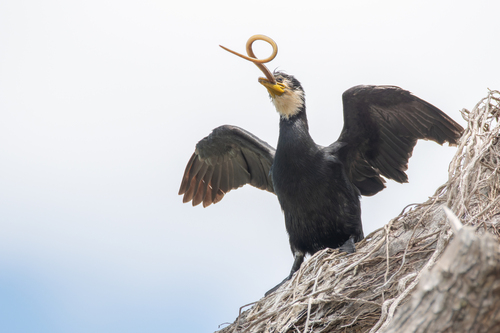
シロハラコビトウ (Microcarbo melanoleucos) シロハラコビトウ
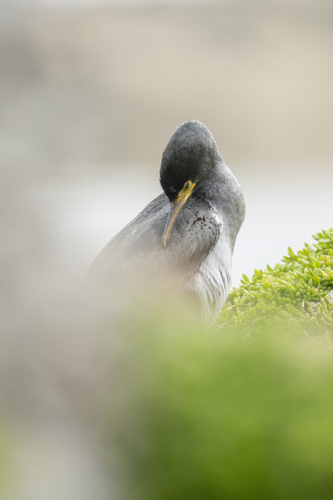
ピットウ (Phalacrocorax featherstoni) ピットウ

メディア

読み込み中…

要点

シロハラコビトウとピットウを区別するための最も信頼できるフィールドマークは、シロハラコビトウの白黒のコントラストが強いことです。シロハラコビトウは鮮やかな白い腹部と顔を持ち、対してピットウはより均一な暗い体色で、灰色の胸と首を持っています。構造も助けになります:シロハラコビトウは明らかに小さく、短い黄色のくちばしと長い尾を持ち、ピットウは大きく、スリムで、黄色の顔の皮膚と足を持っています。ニュージーランドでは、メラニスティック(主に黒い)シロハラコビトウに注意してください。これはピットウに似て見えることがありますが、喉と上部の首には白が見られます。生息地と範囲も重要です:ピットウは厳密に沿岸性で、ピット島に特有ですが、シロハラコビトウは広範囲に分布し、内陸水域と沿岸水域の両方で見られます。

識別のコツ

  1. Pied vs. Uniform Plumage (Adults): シロハラコビトウ(白黒の形態)は、鋭い黒い上面と白い下面、顔、太ももを示します。これは、ピットウのほとんど暗い体と灰色の胸と首とは非常に異なります。これは成鳥の中で最も簡単な区別です。
  2. Melanistic シロハラコビトウ: ニュージーランドでは、メラニスティックなシロハラコビトウは主に黒く見えることがありますが、喉と上部の首には常に白を保持しています。ピットウはこの白い喉の斑点を示すことはありません。灰色はより拡散しており、胸/首に限られています。
  3. Facial Skin and Feet: ピットウは目の周りに黄色の顔の皮膚と黄色の足を持っていますが、シロハラコビトウはくちばしと裸の皮膚に黄色を持ち、足は黒です。黄色の足が見えたら、それはピットウです。
  4. Bill Structure: シロハラコビトウは明らかに短く、太めの黄色のくちばし(約3 cm)を持っていますが、ピットウのくちばしは頭に対して長く、スリムです。
  5. Tail Length: シロハラコビトウはそのサイズに対して比較的長い尾を持っており、止まっている時や飛んでいる時に明らかです。ピットウの尾はその体に対して短いです。
  6. Size and Build: ピットウは大きく、スリムで、より細長い外観を持っています。シロハラコビトウは小さく、よりコンパクトで、しばしば「ずんぐり」と見えます。
  7. Habitat Context: 内陸の湖、川、または河口で見られた場合、それはほぼ確実にシロハラコビトウです。ピットウは厳密に沿岸性で、ピット島の周りでのみ見られます。
  8. Geographic Range: ピットウはピット島に特有です。ニュージーランドやオーストラリアの他の場所では、似たような鳥はほぼ確実にシロハラコビトウです。
  9. Group Size: シロハラコビトウはしばしば孤立しているか、小さな緩い群れで見られますが、ピットウは通常、小さな繁殖群で見られるか、海で単独で見られます。
  10. Immature Birds: 若いシロハラコビトウは鈍い色合いで、茶色がかった黒い上面と、白い場合はより淡い下面を持っています。ピットウの幼鳥は詳細には記述されていませんが、全体的に暗い可能性があります。区別のために顔の皮膚と喉の色に注目してください。
  11. Crest: シロハラコビトウは繁殖期に特に小さな黒い冠を示すことがありますが、ピットウには冠はありません。
  12. Bare Parts Color: シロハラコビトウのくちばしと顔の皮膚は黄色ですが、足は黒です。ピットウは目の周りに黄色があり、黄色の足を持っています。足の色が見える場合は確認してください。
  13. Flight Jizz: シロハラコビトウは飛んでいる時にコンパクトに見え、長い尾と短いくちばしを持っています。ピットウはより長く、スリムに見えます。
  14. Voice: シロハラコビトウは求愛中に低いクー音を出すことがありますが、両種は一般的に静かで、声で確実に区別することはできません。
  15. Pitfalls: 主な混乱は、ニュージーランドのメラニスティックなシロハラコビトウとのもので、これはピットウのように暗く見えることがあります。常に白い喉と黄色の足を確認してIDを確認してください。

大きさ

シロハラコビトウは小さく(長さ56–58 cm)、よりコンパクトで、サイズに対して比較的短いくちばしと長い尾を持っています。ピットウは大きく(約63 cmの長さ)、重く(650–1300 g)、スリムでより細長い体型を持っています。サイズと比率の違いは、二つが並んで見られるときに最も明らかですが、単独でもシロハラコビトウの短いくちばしと長い尾は、ピットウのよりバランスの取れたスリムな外観と比較して際立っています。

羽色

成鳥の場合、シロハラコビトウの白黒の形態は上面が鋭く黒く、下面が白く、顔と太ももも白いです。これは最も明確な羽毛の違いです。メラニスティックな形態(主にニュージーランド)は、頭の側面、顎、喉、上部の首を除いてすべて黒です。ピットウは全体的に暗く、黒とネイビーの頭、背中、翼、尾を持ちますが、胸と首は明るい灰色です。黄色の顔の皮膚と黄色の足はピットウに特有です。幼いシロハラコビトウは鈍い色合いで、茶色がかった黒い上面と、白い場合はより淡い下面を持っていますが、ピットウの幼鳥は詳細には記述されていませんが、全体的に暗い色調で成鳥に似ている可能性があります。どちらの種にも特有の幼鳥の上翼パターンは記述されていないため、区別は全体的な色のコントラストと顔/足の色に依存します。

行動

シロハラコビトウはしばしば単独で見られ、浅い水で食べ物を求めて潜ります。内陸の湖、川、河口、沿岸地域で頻繁に観察されます。ピットウは通常、繁殖地で小さな群れで見られるか、ピット島から18 km以内で単独で見られ、海で餌を探します。両種は水の近くの岩や木に止まりますが、シロハラコビトウは海岸から離れて見られる可能性が高く、生息地の利用においてより適応性があります。

生息環境

生息地は強力な区別要因です:シロハラコビトウはニュージーランド、オーストラリア、オーストラレーシアの広範囲に分布し、沿岸水域と内陸水域(湖、川、河口)を利用します。ピットウは厳密に沿岸性で、ピット島に特有で、近くの岩の多い海岸でのみ見られます。もしピット島から離れているか、岩の多い海岸でない場合、ピットウは除外できます。

声

シロハラコビトウは求愛中に低いクー音を出します。ピットウの音声は記述されておらず、どちらの種も特に声が大きくなく、フィールドでの呼び声で区別されることはありません。

より良い説明を送る

比較と同じ項目を使ってください。文章はすぐに公開されます。

The most reliable field mark for separating Little Pied Cormorant from Pitt Island Shag is the strong black-and-white contrast of the Little Pied Cormorant’s pied morph, with crisp white underparts and face, versus the Pitt Island Shag’s much more uniform dark body with a gray chest and neck. Structure also helps: Little Pied Cormorant is noticeably smaller, with a shorter yellow bill and longer tail, while Pitt Island Shag is larger, slimmer, and has yellow facial skin and feet. In New Zealand, beware the melanistic (mostly black) Little Pied Cormorant, which can look superficially similar to Pitt Island Shag, but still shows white on the throat and upper neck. Habitat and range are also key: Pitt Island Shag is strictly coastal and endemic to Pitt Island, while Little Pied Cormorant is widespread and found on both inland and coastal waters.

  1. Pied vs. Uniform Plumage (Adults): Little Pied Cormorant (pied morph) shows sharp black upperparts and white underparts, face, and thighs—very different from the Pitt Island Shag’s mostly dark body with only a gray chest and neck. This is the easiest separation in adults.
  2. Melanistic Little Pied Cormorant: In New Zealand, melanistic Little Pied Cormorants can look mostly black, but always retain white on the throat and upper neck. Pitt Island Shag never shows this white throat patch; its gray is more diffuse and limited to the chest/neck.
  3. Facial Skin and Feet: Pitt Island Shag has yellow facial skin around the eyes and yellow feet, while Little Pied Cormorant has yellow on the bill and bare skin but black feet. If you see yellow feet, it’s Pitt Island Shag.
  4. Bill Structure: Little Pied Cormorant has a noticeably shorter, stubbier yellow bill (about 3 cm), while Pitt Island Shag’s bill is longer and slimmer in proportion to its head.
  5. Tail Length: Little Pied Cormorant has a relatively long tail for its size, which can be obvious when perched or in flight. Pitt Island Shag’s tail is shorter relative to its body.
  6. Size and Build: Pitt Island Shag is larger and slimmer, with a more elongated appearance. Little Pied Cormorant is smaller and more compact, often looking ‘chunkier’.
  7. Habitat Context: If seen on an inland lake, river, or estuary, it is almost certainly Little Pied Cormorant. Pitt Island Shag is strictly coastal and only found around Pitt Island.
  8. Geographic Range: Pitt Island Shag is endemic to Pitt Island; anywhere else in New Zealand or Australia, a similar bird is almost certainly Little Pied Cormorant.
  9. Group Size: Little Pied Cormorant is often solitary or in small loose groups, while Pitt Island Shag is usually seen in small breeding groups or singly at sea.
  10. Immature Birds: Young Little Pied Cormorants are duller, with brownish-black upperparts and paler underparts (if pied); Pitt Island Shag immatures are not described in detail but are likely dark overall. Focus on facial skin and throat color for separation.
  11. Crest: Little Pied Cormorant may show a small black crest, especially in breeding season; Pitt Island Shag does not have a crest.
  12. Bare Parts Color: Little Pied Cormorant’s bill and facial skin are yellow, but feet are black. Pitt Island Shag has yellow around the eyes and yellow feet—check feet color if visible.
  13. Flight Jizz: Little Pied Cormorant in flight appears compact with a long tail and short bill; Pitt Island Shag looks longer and slimmer.
  14. Voice: Little Pied Cormorant may give a low coo during courtship, but both species are generally silent and not reliably separated by voice.
  15. Pitfalls: The main confusion is with melanistic Little Pied Cormorants in New Zealand, which can look dark like Pitt Island Shag. Always check for the white throat and yellow feet to confirm ID.

Little Pied Cormorant is smaller (56–58 cm in length) and more compact, with a relatively short bill and longer tail for its size. Pitt Island Shag is larger (about 63 cm in length), heavier (650–1300 g), and has a slimmer, more elongated build. The difference in size and proportions is most apparent when the two are seen side by side, but even singly, the Little Pied Cormorant’s short bill and longer tail stand out compared to the Pitt Island Shag’s more balanced, slender look.

For adults, Little Pied Cormorant in its pied morph is sharply black above and white below, with a white face and thighs—this is the most straightforward plumage difference. The melanistic morph (mainly in New Zealand) is all black except for the sides of the head, chin, throat, and upper neck, which remain white; intermediate forms exist. Pitt Island Shag is dark overall, with a black and navy head, back, wings, and tail, but a light gray chest and neck. The yellow facial skin and yellow feet are unique to Pitt Island Shag. Immature Little Pied Cormorants are duller, with brownish-black upperparts and paler underparts if pied, while Pitt Island Shag juveniles are not described in detail but are likely similar to adults in overall dark tones. No distinctive juvenile upperwing patterns are described for either species, so separation relies on overall color contrast and facial/foot color.

Little Pied Cormorant is often seen alone, diving for food in shallow water, and is a solitary feeder. It is frequently observed on inland lakes, rivers, and estuaries, as well as coastal areas. Pitt Island Shag is typically found in small groups at breeding sites or singly within 18 km of Pitt Island, foraging at sea. Both species perch on rocks or trees near water, but Little Pied Cormorant is more likely to be seen away from the coast and is more adaptable in habitat use.

Habitat is a strong separator: Little Pied Cormorant is widespread across New Zealand, Australia, and much of Australasia, using both coastal and inland waters (lakes, rivers, estuaries). Pitt Island Shag is strictly coastal and endemic to Pitt Island, found only on rocky shores and open seas nearby. If you are away from Pitt Island or not on a rocky coast, Pitt Island Shag can be ruled out.

Little Pied Cormorant gives a low cooing sound during courtship. No vocalization is described for Pitt Island Shag, and neither species is particularly vocal or likely to be separated by call in the field.

変更を破棄しますか?

保存していない編集があります。今離れると失われます。

シロハラコビトウ · ピットウ · 苦手な鳥