

Little Pied Cormorant vs Pitt Island Shag
Microcarbo melanoleucos contro Phalacrocorax featherstoni
Fai un quiz con Little Pied Cormorant e Pitt Island Shag
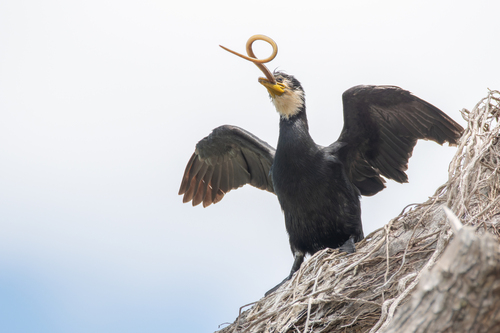 Little Pied Cormorant
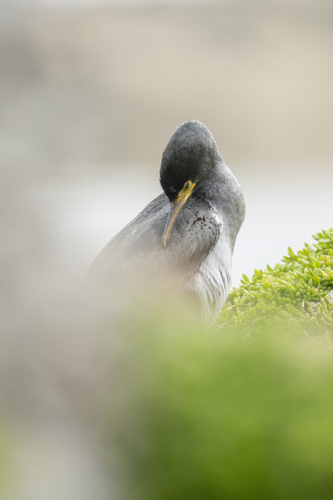 Pitt Island Shag
In breve
Il segno di campo più affidabile per separare il Little Pied Cormorant dal Pitt Island Shag è il forte contrasto bianco e nero della forma pied del Little Pied Cormorant, con parti inferiori e faccia bianche nette, rispetto al corpo molto più uniforme e scuro del Pitt Island Shag con un petto e un collo grigi. Anche la struttura aiuta: il Little Pied Cormorant è notevolmente più piccolo, con un becco giallo più corto e una coda più lunga, mentre il Pitt Island Shag è più grande, più snello e ha pelle facciale e piedi gialli. In Nuova Zelanda, fai attenzione al Little Pied Cormorant melanistico (per lo più nero), che può sembrare superficialmente simile al Pitt Island Shag, ma mostra comunque bianco sulla gola e sul collo superiore. L'habitat e l'areale sono anche chiave: il Pitt Island Shag è strettamente costiero ed endemico dell'isola Pitt, mentre il Little Pied Cormorant è diffuso e si trova sia nelle acque interne che in quelle costiere.
Consigli di identificazione
- Pied vs. Uniform Plumage (Adults): Il Little Pied Cormorant (forma pied) mostra parti superiori nere nette e parti inferiori, faccia e cosce bianche—molto diverso dal corpo per lo più scuro del Pitt Island Shag con solo un petto e un collo grigi. Questa è la separazione più facile negli adulti.
- Melanistic Little Pied Cormorant: In Nuova Zelanda, i Little Pied Cormorant melanistici possono apparire per lo più neri, ma mantengono sempre bianco sulla gola e sul collo superiore. Il Pitt Island Shag non mostra mai questa macchia bianca sulla gola; il suo grigio è più diffuso e limitato al petto/collo.
- Facial Skin and Feet: Il Pitt Island Shag ha pelle facciale gialla attorno agli occhi e piedi gialli, mentre il Little Pied Cormorant ha giallo sul becco e sulla pelle nuda ma piedi neri. Se vedi piedi gialli, è il Pitt Island Shag.
- Bill Structure: Il Little Pied Cormorant ha un becco giallo notevolmente più corto e tozzo (circa 3 cm), mentre il becco del Pitt Island Shag è più lungo e snello in proporzione alla sua testa.
- Tail Length: Il Little Pied Cormorant ha una coda relativamente lunga per le sue dimensioni, che può essere ovvia quando è posato o in volo. La coda del Pitt Island Shag è più corta rispetto al suo corpo.
- Size and Build: Il Pitt Island Shag è più grande e snello, con un aspetto più allungato. Il Little Pied Cormorant è più piccolo e più compatto, spesso apparendo 'più robusto'.
- Habitat Context: Se visto in un lago interno, fiume o estuario, è quasi certamente il Little Pied Cormorant. Il Pitt Island Shag è strettamente costiero e si trova solo attorno all'isola Pitt.
- Geographic Range: Il Pitt Island Shag è endemico dell'isola Pitt; in qualsiasi altro luogo in Nuova Zelanda o Australia, un uccello simile è quasi certamente il Little Pied Cormorant.
- Group Size: Il Little Pied Cormorant è spesso solitario o in piccoli gruppi sciolti, mentre il Pitt Island Shag è solitamente visto in piccoli gruppi di riproduzione o singolarmente in mare.
- Immature Birds: I giovani Little Pied Cormorant sono più opachi, con parti superiori bruno-nerastre e parti inferiori più chiare (se pied); gli immaturi del Pitt Island Shag non sono descritti in dettaglio ma sono probabilmente scuri nel complesso. Concentrati sulla pelle facciale e sul colore della gola per la separazione.
- Crest: Il Little Pied Cormorant può mostrare una piccola cresta nera, specialmente in stagione di riproduzione; il Pitt Island Shag non ha cresta.
- Bare Parts Color: Il becco e la pelle facciale del Little Pied Cormorant sono gialli, ma i piedi sono neri. Il Pitt Island Shag ha giallo attorno agli occhi e piedi gialli—controlla il colore dei piedi se visibili.
- Flight Jizz: Il Little Pied Cormorant in volo appare compatto con una coda lunga e un becco corto; il Pitt Island Shag appare più lungo e snello.
- Voice: Il Little Pied Cormorant può emettere un basso coo durante il corteggiamento, ma entrambe le specie sono generalmente silenziose e non possono essere affidabilmente separate per voce.
- Pitfalls: La principale confusione è con i Little Pied Cormorant melanistici in Nuova Zelanda, che possono apparire scuri come il Pitt Island Shag. Controlla sempre la gola bianca e i piedi gialli per confermare l'identificazione.
Taglia
Il Little Pied Cormorant è più piccolo (56–58 cm di lunghezza) e più compatto, con un becco relativamente corto e una coda più lunga per le sue dimensioni. Il Pitt Island Shag è più grande (circa 63 cm di lunghezza), più pesante (650–1300 g) e ha una struttura più snella e allungata. La differenza di dimensioni e proporzioni è più evidente quando i due sono visti fianco a fianco, ma anche singolarmente, il becco corto e la coda più lunga del Little Pied Cormorant si distinguono rispetto all'aspetto più equilibrato e snello del Pitt Island Shag.
Piumaggio
Per gli adulti, il Little Pied Cormorant nella sua forma pied è nettamente nero sopra e bianco sotto, con una faccia e cosce bianche—questa è la differenza di piumaggio più semplice. La forma melanistica (principalmente in Nuova Zelanda) è completamente nera tranne che per i lati della testa, il mento, la gola e il collo superiore, che rimangono bianchi; esistono forme intermedie. Il Pitt Island Shag è scuro nel complesso, con una testa, schiena, ali e coda nere e blu navy, ma un petto e un collo grigi chiari. La pelle facciale gialla e i piedi gialli sono unici per il Pitt Island Shag. I giovani Little Pied Cormorant sono più opachi, con parti superiori bruno-nerastre e parti inferiori più chiare se pied, mentre i giovani del Pitt Island Shag non sono descritti in dettaglio ma sono probabilmente simili agli adulti in toni scuri complessivi. Non sono descritti schemi distintivi delle ali superiori nei giovani per nessuna delle due specie, quindi la separazione si basa sul contrasto di colore complessivo e sul colore facciale/dei piedi.
Comportamento
Il Little Pied Cormorant è spesso visto da solo, immergendosi per cibo in acque poco profonde, ed è un alimentatore solitario. Viene frequentemente osservato in laghi interni, fiumi ed estuari, così come in aree costiere. Il Pitt Island Shag si trova tipicamente in piccoli gruppi nei siti di riproduzione o singolarmente entro 18 km dall'isola Pitt, cercando cibo in mare. Entrambe le specie si posano su rocce o alberi vicino all'acqua, ma il Little Pied Cormorant è più probabile che venga visto lontano dalla costa ed è più adattabile nell'uso dell'habitat.
Habitat
L'habitat è un forte separatore: il Little Pied Cormorant è diffuso in Nuova Zelanda, Australia e gran parte dell'Australasia, utilizzando sia acque costiere che interne (laghi, fiumi, estuari). Il Pitt Island Shag è strettamente costiero ed endemico dell'isola Pitt, trovato solo su coste rocciose e mari aperti nelle vicinanze. Se sei lontano dall'isola Pitt o non sei su una costa rocciosa, il Pitt Island Shag può essere escluso.
Voce
Il Little Pied Cormorant emette un basso suono di coo durante il corteggiamento. Non è descritta alcuna vocalizzazione per il Pitt Island Shag, e nessuna delle due specie è particolarmente vocale o probabile da separare per richiamo sul campo.
Little Pied Cormorant · Pitt Island Shag · I miei uccelli difficili