

Motmot

ヒメカモメ 対 カモメ

Hydrocoloeus minutus 対 Larus canus

ヒメカモメとカモメのクイズ
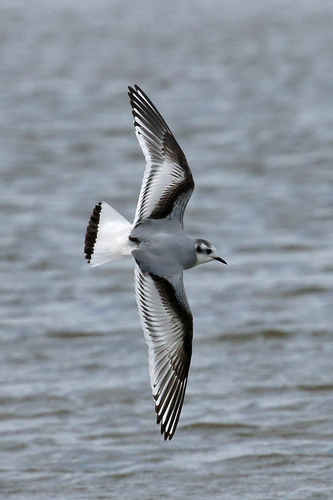
ヒメカモメ (Hydrocoloeus minutus) ヒメカモメ
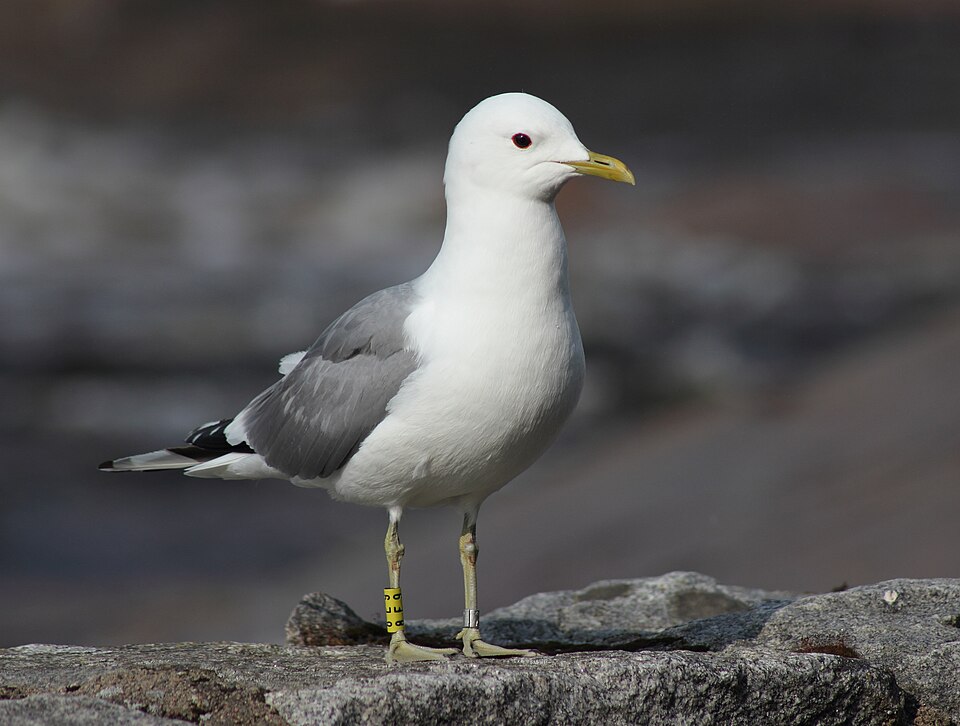
カモメ (Larus canus) カモメ

メディア

読み込み中…

要点

ヒメカモメとカモメの間で最も信頼できるフィールドマークはサイズです:ヒメカモメは劇的に小さく、多くのバーダーにとって決定的なのは未成熟個体の特徴的な翼のパターンです—ヒメカモメの幼鳥と初冬の個体は、飛行中に上翼に大胆な暗い「W」を示し、カモメはこれを決して示しません。成鳥は構造と羽色でも区別されます:ヒメカモメは優雅で、短いくちばしと丸い翼を持ち、カモメははるかに大きく、長くて先細りのくちばしと広い翼を持っています。すべての羽色において、ヒメカモメは独特の暗い下翼を持ち、特に飛行中に目を引きますが、カモメは典型的な淡い下翼と黒い翼先を示します。成鳥では脚とくちばしの色が役立つことがありますが、繁殖期以外の鳥や未成熟の個体ではこれらのマークが鈍くなることに注意してください。

識別のコツ

  1. サイズが最初のチェックです: ヒメカモメはカモメより劇的に小さいです—もし優雅で、ほとんどトンビのように見えるカモメを見たら、ヒメカモメを疑ってください。
  2. 幼鳥/初冬の翼のパターン: 飛行中、幼鳥と初冬のヒメカモメは上翼に大胆で暗い「W」を示します;カモメの未成熟個体はこれを示さず、代わりにより均一で鱗状の上翼を持っています。
  3. 下翼の色: すべての年齢のヒメカモメは非常に暗い灰色の下翼を持ち、特に飛行中に目を引きます;カモメは淡い下翼と黒い翼先を持っています。
  4. くちばしの構造: ヒメカモメは短くて細いくちばしを持ち(繁殖成鳥は暗赤色、非繁殖は黒)、カモメのくちばしは長くて先細りで、繁殖成鳥は緑がかった黄色で、冬には黒っぽい帯が見られることがあります。
  5. 脚の色: ヒメカモメの成鳥は繁殖期に明るい赤い脚を持ち、冬には鈍い赤になります;カモメは繁殖期に黄色の脚を持ち、冬には鈍く、幼鳥ではピンクがかっています。
  6. 頭のパターン(繁殖): ヒメカモメの成鳥は完全な黒いフードを持ち、カモメの成鳥は無地の白い頭を持っています。
  7. 頭のパターン(非繁殖): ヒメカモメは黒い帽子と耳の斑点を示し、カモメは縞模様の灰色の頭を持っています。
  8. 上翼のパターン(成鳥): ヒメカモメの成鳥は白い初列風切羽を持つ淡い灰色の上翼を持ち、カモメの成鳥は黒い翼先と外側の初列風切羽に白い「ミラー」を持つ灰色の上翼を持っています。
  9. 飛行中の印象: ヒメカモメは浮遊感があり、敏捷で、トンビのようです;カモメはより直接的でカモメのようで、翼が広いです。
  10. 止まっている姿勢: ヒメカモメはコンパクトで短い脚に見え、カモメはより高く、より直立しています。
  11. 生息地の文脈: ヒメカモメは繁殖期に小さな内陸の湖や湿地にいる可能性が高く、小さな群れで見られます;カモメは広範囲に分布し、大きな群れでよく見られ、開けた国や海岸で一般的です。
  12. 成熟のタイミング: ヒメカモメは2年目に成鳥のような羽色に達します;カモメは完全な成鳥の羽色に達するまでに3年(カムチャツカでは最大4年)かかります。
  13. バラ色のフラッシュ: 春には、ヒメカモメの成鳥は下部にバラ色のフラッシュを示すことがありますが、カモメでは見られません。
  14. 声: 聞こえた場合、カモメの高音の「笑い声」は特徴的です;ヒメカモメははるかに静かです。
  15. 落とし穴: 非繁殖および未成熟の鳥は混乱を招くことがあります—サイズ、下翼の色、(若い鳥の場合)上翼の暗い「W」の有無に焦点を当ててください。

大きさ

ヒメカモメは世界で最も小さなカモメで、体重は約98g、長さは24〜28cm、翼幅は62〜69cmです。カモメははるかに大きく(体重約386.5g)、長さは40〜46cm、翼幅は100〜115cmです。フィールドでは、距離があっても、ヒメカモメは中型のずんぐりしたカモメと比べて明らかに小さく、繊細に見えます。一緒に見た場合、サイズの違いは明白ですが、単独でもヒメカモメの小さくトンビのような印象が際立ちます。

羽色

行動

ヒメカモメは敏捷で浮遊感があり、水面から昆虫をついばむか、翼で捕まえることが多く、時にはトンビを思わせます。淡水の上や小さな緩い群れで見られる可能性が高いです。カモメはより頑丈で、典型的なカモメの飛行と採餌行動を持ち、しばしば陸上や海で採餌し、ヒメカモメよりも空中での敏捷性が低いです。止まっているとき、ヒメカモメは優雅で短い脚に見え、カモメはより高く、より直立しています。

生息環境

ヒメカモメは淡水の湖や湿地で繁殖し、繁殖期には内陸で見られる可能性が高く、冬には海に移動します。カモメは広範囲の冷温帯の生息地で繁殖し、しばしば水の近くや開けた国でも見られ、冬には海岸、河口、時には内陸で見られます。ヨーロッパでは、カモメは特に冬に非常に広範囲に分布し豊富ですが、ヒメカモメは通常地元で、しばしば少数で見られます。

声

カモメは中型のカモメに典型的な高音の「笑い声」を発します。ヒメカモメは一般的に静かで、声も少なく、カモメほど特徴的でも大きくもなく、分離のための主要なフィールドマークになることはありません。

より良い説明を送る

比較と同じ項目を使ってください。文章はすぐに公開されます。

The most reliable field mark between Little Gull and Common Gull is size: Little Gull is dramatically smaller, but for many birders, the clincher is the distinctive wing pattern of immatures—Little Gull juveniles and first-winters show a bold dark 'W' across the upperwings in flight, which Common Gull never shows. Adults are also separated by structure and plumage: Little Gull is dainty, with a short bill and rounded wings, while Common Gull is much larger, with a longer, more tapered bill and broader wings. In all plumages, Little Gull has a unique dark underwing, especially striking in flight, while Common Gull shows classic pale underwings and black wingtips. Leg and bill color can help in adults, especially in breeding season, but beware non-breeding birds and immatures where these marks are duller.

  1. Size is the first check: Little Gull is dramatically smaller than Common Gull—if you see a gull that looks dainty, almost tern-like, especially among other gulls, suspect Little Gull.
  2. Juvenile/first-winter wing pattern: In flight, juvenile and first-winter Little Gulls show a bold, dark 'W' across the upperwings; Common Gull immatures never show this, instead having a more uniform, scaly upperwing.
  3. Underwing color: Little Gull of all ages has very dark grey underwings, especially striking in flight; Common Gull has pale underwings with black wingtips.
  4. Bill structure: Little Gull has a short, fine bill (dark red in breeding adults, black in non-breeding); Common Gull's bill is longer, more tapered, greenish-yellow in breeding adults, sometimes with a blackish band in winter.
  5. Leg color: Little Gull adults have bright red legs in breeding season, duller red in winter; Common Gull has yellow legs in breeding season, duller in winter, and pinkish in juveniles.
  6. Head pattern (breeding): Little Gull adults have a full black hood; Common Gull adults have a plain white head.
  7. Head pattern (non-breeding): Little Gull shows a black cap and ear spot; Common Gull has a streaked grey head.
  8. Upperwing pattern (adults): Little Gull adults have pale grey upperwings with white primaries; Common Gull adults have grey upperwings with black wingtips and white 'mirrors' on the outer primaries.
  9. Jizz in flight: Little Gull is buoyant, agile, and tern-like; Common Gull is more direct and gull-like, with broader wings.
  10. Perched posture: Little Gull appears compact and short-legged; Common Gull stands taller and more upright.
  11. Habitat context: Little Gull is more likely on small inland lakes and marshes in breeding season, and in small flocks; Common Gull is widespread, often in large flocks, and common in open country and coasts.
  12. Maturity timing: Little Gull reaches adult-like plumage by second year; Common Gull takes three years (up to four in Kamchatka) to reach full adult plumage.
  13. Rosy flush: In spring, Little Gull adults may show a rosy flush on the underparts, never seen on Common Gull.
  14. Voice: If heard, Common Gull's high-pitched 'laughing' call is distinctive; Little Gull is much quieter.
  15. Pitfalls: Non-breeding and immature birds can be confusing—focus on size, underwing color, and (for young birds) the presence or absence of the dark 'W' on the upperwing.

Little Gull is by far the smallest gull in the world, weighing about 98 g, with a length of 24–28 cm and a wingspan of 62–69 cm. Common Gull is much larger (body mass ~386.5 g), with a length of 40–46 cm and a wingspan of 100–115 cm. In the field, even at a distance, Little Gull appears noticeably petite and delicate compared to the medium-sized, chunkier Common Gull. If seen together, the size difference is unmistakable, but even singly, Little Gull's small, tern-like jizz stands out.

  • Juvenile/First-winter: Little Gull juveniles and first-winters show a bold, dark 'W' pattern across the upperwings in flight, with white underwings. Common Gull juveniles have scaly black-brown upperparts and a neat, but not bold, wing pattern; they never show a 'W' or such strong contrast. By first winter, Common Gull shows white head and belly with fine streaks and greyish saddle, but still lacks the Little Gull's distinctive wing pattern.
  • Adults (Breeding): Little Gull adults have a black hood, dark red bill, and bright red legs, sometimes with a rosy flush below. Common Gull adults have a pale grey back, white underparts, yellow legs, and a greenish-yellow, unmarked bill. Both have black wingtips, but Little Gull's wings are paler above and uniquely dark below.
  • Adults (Non-breeding): Little Gull adults lose the full hood, retaining a black cap and ear spot, with a black bill and duller red legs. Common Gull adults have a streaked grey head, duller yellow legs, and may show a faint blackish bill band. Little Gull always keeps the dark underwing, while Common Gull's underwing remains pale.
  • Second year: Little Gull second-years are nearly adult-like but may retain some black in the primaries. Common Gull immatures take up to three years to reach full adult plumage, with gradual changes in leg color and upperpart pattern.

Little Gull is agile and buoyant, often feeding by picking insects from the water surface or catching them on the wing, sometimes reminiscent of a tern. It is more likely to be seen over freshwater or in small, loose flocks. Common Gull is more robust, with typical gull flight and feeding behavior, often foraging on land or at sea, and is less aerially agile than Little Gull. When perched, Little Gull appears dainty and short-legged, while Common Gull stands taller and more upright.

Little Gull breeds on freshwater lakes and marshes, and is more likely to be found inland during breeding season, moving to sea in winter. Common Gull breeds in a wide range of cool temperate habitats, often near water but also in open country, and winters along coasts, estuaries, and sometimes inland. In Europe, Common Gull is far more widespread and abundant, especially in winter, while Little Gull is usually local and often in smaller numbers.

Common Gull gives a high-pitched, 'laughing' cry, typical of medium-sized gulls. Little Gull is generally quieter and less vocal; its calls are not as distinctive or loud as Common Gull, and are unlikely to be a primary field mark for separation.

変更を破棄しますか?

保存していない編集があります。今離れると失われます。

ヒメカモメ · カモメ · 苦手な鳥