

Gaviota Enana vs Gaviota Cana
Hydrocoloeus minutus frente a Larus canus
Juega un quiz con Gaviota Enana y Gaviota Cana
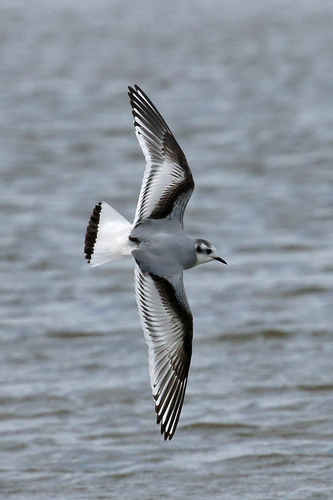 Gaviota Enana
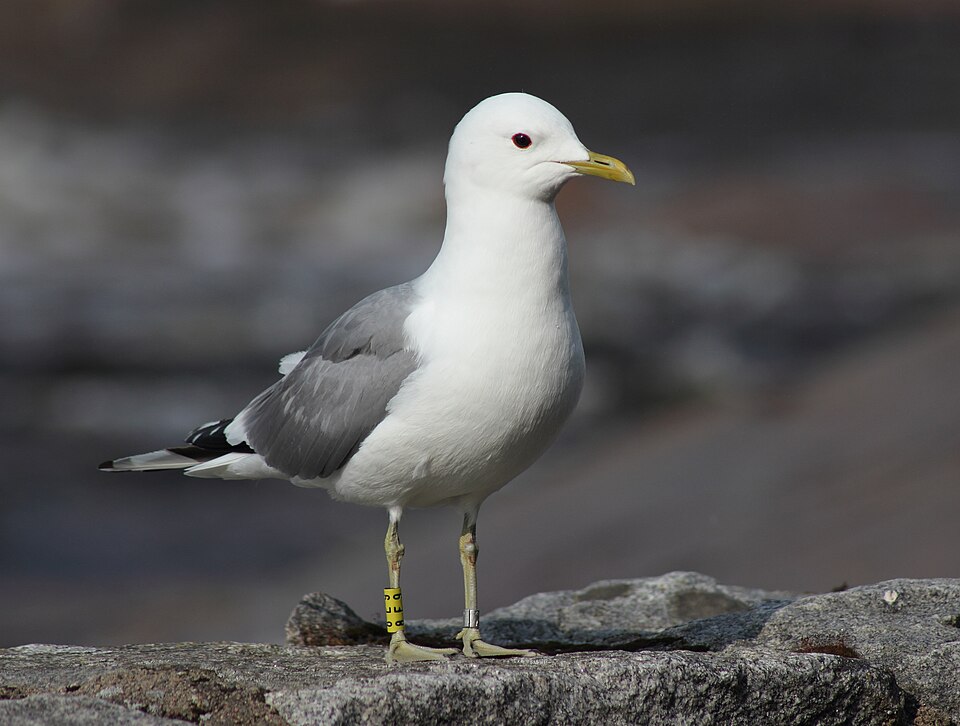 Gaviota Cana
En breve
La marca de campo más confiable entre la Gaviota Enana y la Gaviota Cana es el tamaño: la Gaviota Enana es dramáticamente más pequeña, pero para muchos observadores de aves, el factor decisivo es el patrón de alas distintivo de los inmaduros: los juveniles y primeros inviernos de la Gaviota Enana muestran una 'W' oscura y audaz en las alas superiores en vuelo, que la Gaviota Cana nunca muestra. Los adultos también se separan por su estructura y plumaje: la Gaviota Enana es delicada, con un pico corto y alas redondeadas, mientras que la Gaviota Cana es mucho más grande, con un pico más largo y afilado y alas más anchas. En todos los plumajes, la Gaviota Enana tiene un ala inferior oscura única, especialmente llamativa en vuelo, mientras que la Gaviota Cana muestra alas inferiores clásicas pálidas y puntas de alas negras. El color de las patas y el pico puede ayudar en los adultos, especialmente en la temporada de cría, pero cuidado con las aves no reproductoras e inmaduras donde estas marcas son más apagadas.
Consejos de identificación
- El tamaño es la primera verificación: La Gaviota Enana es dramáticamente más pequeña que la Gaviota Cana; si ves una gaviota que parece delicada, casi como un charrán, especialmente entre otras gaviotas, sospecha de la Gaviota Enana.
- Patrón de alas de juvenil/primer invierno: En vuelo, los juveniles y primeros inviernos de la Gaviota Enana muestran una 'W' oscura y audaz en las alas superiores; los inmaduros de la Gaviota Cana nunca muestran esto, en su lugar tienen un ala superior más uniforme y escamosa.
- Color del ala inferior: La Gaviota Enana de todas las edades tiene alas inferiores de un gris muy oscuro, especialmente llamativas en vuelo; la Gaviota Cana tiene alas inferiores pálidas con puntas de alas negras.
- Estructura del pico: La Gaviota Enana tiene un pico corto y fino (rojo oscuro en adultos en cría, negro en no reproductores); el pico de la Gaviota Cana es más largo, más afilado, de color amarillo verdoso en adultos en cría, a veces con una banda negra en invierno.
- Color de las patas: Los adultos de la Gaviota Enana tienen patas rojas brillantes en la temporada de cría, más apagadas en invierno; la Gaviota Cana tiene patas amarillas en la temporada de cría, más apagadas en invierno y rosadas en juveniles.
- Patrón de cabeza (cría): Los adultos de la Gaviota Enana tienen una capucha negra completa; los adultos de la Gaviota Cana tienen una cabeza blanca simple.
- Patrón de cabeza (no cría): La Gaviota Enana muestra una gorra negra y una mancha en la oreja; la Gaviota Cana tiene una cabeza gris rayada.
- Patrón de alas superiores (adultos): Los adultos de la Gaviota Enana tienen alas superiores de color gris pálido con primarias blancas; los adultos de la Gaviota Cana tienen alas superiores grises con puntas de alas negras y 'espejos' blancos en las primarias externas.
- Jizz en vuelo: La Gaviota Enana es ligera, ágil y parecida a un charrán; la Gaviota Cana es más directa y parecida a una gaviota, con alas más anchas.
- Postura posada: La Gaviota Enana parece compacta y de patas cortas; la Gaviota Cana se mantiene más alta y erguida.
- Contexto de hábitat: La Gaviota Enana es más probable que se encuentre en pequeños lagos interiores y pantanos en la temporada de cría, y en pequeños grupos; la Gaviota Cana es generalizada, a menudo en grandes bandadas, y común en campos abiertos y costas.
- Momento de madurez: La Gaviota Enana alcanza un plumaje similar al de los adultos en su segundo año; la Gaviota Cana tarda tres años (hasta cuatro en Kamchatka) en alcanzar el plumaje adulto completo.
- Rubor rosado: En primavera, los adultos de la Gaviota Enana pueden mostrar un rubor rosado en las partes inferiores, nunca visto en la Gaviota Cana.
- Voz: Si se escucha, el llamado agudo y 'risueño' de la Gaviota Cana es distintivo; la Gaviota Enana es mucho más silenciosa.
- Trampas: Las aves no reproductoras e inmaduras pueden ser confusas; enfócate en el tamaño, el color del ala inferior y (para las aves jóvenes) la presencia o ausencia de la 'W' oscura en el ala superior.
Tamaño
La Gaviota Enana es de lejos la gaviota más pequeña del mundo, pesando alrededor de 98 g, con una longitud de 24–28 cm y una envergadura de 62–69 cm. La Gaviota Cana es mucho más grande (masa corporal ~386.5 g), con una longitud de 40–46 cm y una envergadura de 100–115 cm. En el campo, incluso a distancia, la Gaviota Enana parece notablemente pequeña y delicada en comparación con la Gaviota Cana de tamaño medio y más robusta. Si se ven juntas, la diferencia de tamaño es inconfundible, pero incluso individualmente, el pequeño jizz parecido a un charrán de la Gaviota Enana destaca.
Plumaje
- Juvenil/Primer invierno: Los juveniles y primeros inviernos de la Gaviota Enana muestran un patrón de 'W' oscura y audaz en las alas superiores en vuelo, con alas inferiores blancas. Los juveniles de la Gaviota Cana tienen partes superiores escamosas de color marrón negro y un patrón de alas ordenado, pero no audaz; nunca muestran una 'W' o un contraste tan fuerte. Para el primer invierno, la Gaviota Cana muestra cabeza y vientre blancos con finas rayas y un sillín grisáceo, pero aún carece del patrón de alas distintivo de la Gaviota Enana.
- Adultos (Cría): Los adultos de la Gaviota Enana tienen una capucha negra, pico rojo oscuro y patas rojas brillantes, a veces con un rubor rosado debajo. Los adultos de la Gaviota Cana tienen un dorso gris pálido, partes inferiores blancas, patas amarillas y un pico verde amarillento sin marcas. Ambos tienen puntas de alas negras, pero las alas de la Gaviota Enana son más pálidas arriba y únicas oscuras abajo.
- Adultos (No cría): Los adultos de la Gaviota Enana pierden la capucha completa, conservando una gorra negra y una mancha en la oreja, con un pico negro y patas rojas más apagadas. Los adultos de la Gaviota Cana tienen una cabeza gris rayada, patas amarillas más apagadas y pueden mostrar una débil banda negra en el pico. La Gaviota Enana siempre mantiene el ala inferior oscura, mientras que el ala inferior de la Gaviota Cana permanece pálida.
- Segundo año: Los segundos años de la Gaviota Enana son casi similares a los adultos, pero pueden retener algo de negro en las primarias. Los inmaduros de la Gaviota Cana tardan hasta tres años en alcanzar el plumaje adulto completo, con cambios graduales en el color de las patas y el patrón de las partes superiores.
Comportamiento
La Gaviota Enana es ágil y ligera, a menudo alimentándose al recoger insectos de la superficie del agua o atrapándolos en vuelo, a veces recordando a un charrán. Es más probable que se vea sobre agua dulce o en pequeños grupos sueltos. La Gaviota Cana es más robusta, con un vuelo y comportamiento de alimentación típicos de gaviota, a menudo forrajeando en tierra o en el mar, y es menos ágil en el aire que la Gaviota Enana. Cuando está posada, la Gaviota Enana parece delicada y de patas cortas, mientras que la Gaviota Cana se mantiene más alta y erguida.
Hábitat
La Gaviota Enana cría en lagos y pantanos de agua dulce, y es más probable que se encuentre en el interior durante la temporada de cría, moviéndose al mar en invierno. La Gaviota Cana cría en una amplia gama de hábitats templados frescos, a menudo cerca del agua pero también en campos abiertos, y pasa el invierno a lo largo de costas, estuarios y a veces en el interior. En Europa, la Gaviota Cana es mucho más generalizada y abundante, especialmente en invierno, mientras que la Gaviota Enana suele ser local y a menudo en números más pequeños.
Voz
La Gaviota Cana emite un grito agudo y 'risueño', típico de las gaviotas de tamaño medio. La Gaviota Enana es generalmente más silenciosa y menos vocal; sus llamados no son tan distintivos o fuertes como los de la Gaviota Cana, y es poco probable que sean una marca de campo principal para la separación.