

Motmot

コサギ 対 アフリカクロサギ

Egretta garzetta 対 Egretta gularis

コサギとアフリカクロサギのクイズ
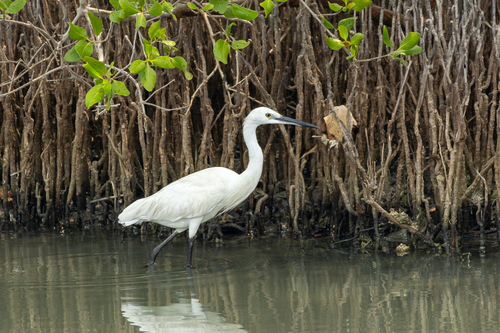
コサギ (Egretta garzetta) コサギ
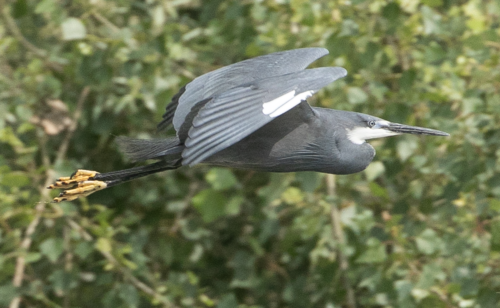
アフリカクロサギ (Egretta gularis) アフリカクロサギ

メディア

読み込み中…

要点

コサギとアフリカクロサギの最も信頼できるフィールドマークは、足とくちばしの色彩です:コサギは明るい黄色の足を持つ黒い足と細い黒いくちばしを示し(いくつかの亜種を除く)、アフリカクロサギ(特に白色型)はより重く、しばしば黄色がかったくちばしと、より太い足に上に伸びる黄色が多く見られます。アフリカクロサギの暗い(スレートグレー)型は、コサギと一致することはほとんどなく、コサギの暗い型は非常に珍しいです;ほとんどの暗い鳥はアフリカクロサギです。幼鳥のコサギは鈍い足と足を示すことがありますが、全体の構造とくちばしの色は依然として有用です。両種は白色型では非常に似ていることがあるため、構造と裸の部分の色に注意を払うことが重要です。

識別のコツ

  1. 足と足の色: コサギ(成鳥、西部の亜種)は明るい黄色の足を持つ黒い足を持ち、アフリカクロサギ(白色型)は太い足にさらに上まで伸びる黄色を持ち、時には足と足の間のコントラストが少ないことがあります。幼鳥のコサギは緑がかった黒い足と鈍い黄色の足を持っていますが、ほとんどのアフリカクロサギよりもコントラストが強いです。
  2. くちばしの形と色: コサギは細く、完全に黒いくちばしを持っています;アフリカクロサギのくちばしは重く、特に基部で黄色がかったトーンを持つことが多いです。これは白色型で最も明らかです。
  3. 暗い型: このグループのスレートグレーまたは黒っぽい鳥で白い喉を持つものはほぼ常にアフリカクロサギです。暗い型のコサギは非常に珍しく、ほとんどの暗い鳥はアフリカクロサギです。
  4. 後頭部の羽(繁殖期): 両種は繁殖期に長い後頭部の羽を成長させますが、コサギの方が長く(最大150mm)、細く、より尖っています。アフリカクロサギのものは存在しますが、あまり目立ちません。
  5. 肩羽(繁殖期): コサギは繁殖期に非常に長く、ゆるい肩羽(最大200mm)を持っています;アフリカクロサギのものはあまり長くありません。
  6. 顔の皮膚とロア: コサギでは、ロアは黒く、求愛時には赤くなることがあります;アフリカクロサギの顔の皮膚はより黄色がかっていることがあり、足/顔の皮膚は繁殖期に赤くなることがあります。
  7. 亜種の足の色: コサギのニグリペス亜種は黒っぽい足とくちばしと目の間に黄色い皮膚を持ち、アフリカクロサギと混同される可能性があります;くちばしと構造を注意深く確認してください。
  8. 構造: コサギは全体的により細身で、くちばしが細く、足が細いです;アフリカクロサギはよりがっしりして見え、くちばしが重く、足が太いです。
  9. 採餌行動: アフリカクロサギは狩りの際に翼で水を影にすることが多いです;コサギは翼を上げて走ることがありますが、この方法で獲物を影にする可能性は低いです。
  10. 幼鳥の羽毛: 幼鳥のコサギは灰色または茶色の羽毛を示すことがありますが、アフリカクロサギの完全な暗い型は示しません。両方の幼鳥は混乱を招く可能性があるため、くちばしと足の色に焦点を当ててください。
  11. 生息地: 海岸から離れると、コサギの方がはるかに可能性が高いです。アフリカクロサギは強く海岸に依存し、内陸ではめったに見られません。
  12. 餌場での優位性: 両種が生息する場所では、コサギの方が餌場でより優位で攻撃的である可能性があります。
  13. 中間型: アフリカクロサギは特に若い鳥で中間的な灰色と白の羽毛を示すことがあります;コサギはそのような変異を示すことはめったにありません。
  14. 声: フィールドでの信頼できる区別ではありません;両方とも静かですが、アフリカクロサギは動揺したときに低い「クウォック」またはきしむような鳴き声を出すことがあります。
  15. 季節的変化: 繁殖期には、両種はより elaborate な羽を示し、裸の部分の色にいくつかの変化を示します;重複が増えるため、複数の特徴を確認してください。

大きさ

両種はサイズが似ており、コサギの平均体重は約532gです [wikidata]。長さと翼幅は重なり、コサギは長さ55〜65 cm、翼幅88〜106 cmです [wikipedia]。アフリカクロサギは中型と記述されており、情報源には重要なサイズの違いは記載されていません;したがって、サイズはフィールドでの信頼できる区別ではありません。

羽色

幼鳥と未成熟の羽毛は、両種の間で非常に特徴的であるとは記述されていませんが、いくつかの違いがあります。コサギの幼鳥は非繁殖成鳥に似ていますが、緑がかった黒い足と鈍い黄色の足を持ち、灰色または茶色の羽毛を示すことがあります。アフリカクロサギの幼鳥は中間的な灰色と白の羽毛を示すことがありますが、最も顕著な違いは暗い型(スレートグレーで白い喉)の存在であり、これはコサギではほとんど見られません—ほとんどの暗い鳥はアフリカクロサギです。白色型では、両種は非常に似ていますが、アフリカクロサギはより重く、黄色がかったくちばしと足により多くの黄色を持つ傾向があります。繁殖期には、両方が後頭部の羽を示すことがありますが、コサギの方が長くて細いです。肩羽の長さと質感には微妙な違いがありますが、遠くから判断するのは難しいです。

行動

両種は浅い水で積極的に狩りを行い、しばしば走ったり足で水をかき混ぜたりします。アフリカクロサギは特に活発であることが知られており、採餌中に翼で水をはねかけたり影にしたりすることがあります。コサギも翼を上げて走るなど、さまざまな採餌戦略を使用しますが、特に翼で影を作る行動が注目されることはありません。両種は動揺した獲物を利用しますが、コサギは両方が生息する餌場でより優位であると記述されています。

生息環境

コサギはより一般的で、内陸の水域や時には陸上を含むさまざまな湿地生息地で見られます。アフリカクロサギは強く海岸に依存し、潮間帯、河口、海岸線を好みます。海岸から遠くで見られる場合、コサギの方がはるかに可能性が高いです。両種は海岸地域で重なり合うことがありますが、特に迷鳥が発生する場所ではそうです。

声

両種は一般的に静かです。アフリカクロサギは動揺したり巣の近くにいるときに低い「クウォック」またはきしむような鳴き声を出すことが知られています。情報源にはコサギのための特有の声の違いは記載されておらず、声は実用的なフィールドの区別ではありません。

より良い説明を送る

比較と同じ項目を使ってください。文章はすぐに公開されます。

The most reliable field mark between Little Egret and Western Reef-Heron is the leg and bill coloration: Little Egret shows black legs with bright yellow feet (except in some subspecies), and a slender black bill, while Western Reef-Heron (especially in the white morph) has a heavier, often yellower bill and more yellow extending up thicker legs. The dark (slaty-grey) morph of Western Reef-Heron is rarely matched by Little Egret, whose dark morph is extremely uncommon; most dark birds are Western Reef-Heron. Juvenile Little Egrets can show duller legs and feet, but the overall structure and bill color remain useful. Both species can be very similar in white morph, so careful attention to structure and bare part color is essential.

  1. Leg and foot color: Little Egret (adult, western races) has black legs with bright yellow feet; Western Reef-Heron (white morph) has yellow extending further up thicker legs and sometimes less contrast between leg and foot. Juvenile Little Egrets have greenish-black legs and duller yellow feet, but still show more contrast than most Western Reef-Herons.
  2. Bill shape and color: Little Egret has a slender, entirely black bill; Western Reef-Heron's bill is heavier, often with yellowish tones, especially at the base. This is most obvious in the white morph.
  3. Dark morph: A slaty-grey or blackish bird with a white throat in this group is almost always Western Reef-Heron. Dark morph Little Egret is extremely rare; nearly all dark birds are Western Reef-Heron.
  4. Nape plumes (breeding): Both species grow long nape plumes in breeding season, but Little Egret's are longer (up to 150mm), finer, and more pointed. Western Reef-Heron's are present but less striking.
  5. Scapular feathers (breeding): Little Egret has very long, loose scapular plumes (up to 200mm) in breeding season; Western Reef-Heron's are less elongated.
  6. Facial skin and lores: In Little Egret, the lores are black, sometimes turning red in courtship; Western Reef-Heron's facial skin can be more yellowish, and legs/facial skin can flush reddish in breeding.
  7. Foot color in subspecies: Note that the nigripes subspecies of Little Egret has blackish feet and yellow skin between bill and eye, potentially confusing with Western Reef-Heron; check bill and structure carefully.
  8. Structure: Little Egret is more slender overall, with a finer bill and thinner legs; Western Reef-Heron appears bulkier, with a heavier bill and thicker legs.
  9. Foraging behavior: Western Reef-Heron often shades the water with its wings while hunting; Little Egret may run with wings raised but is less likely to shade prey this way.
  10. Juvenile plumage: Juvenile Little Egrets may show some greyish or brownish feathers, but not the full dark morph of Western Reef-Heron. Both juveniles can be confusing; focus on bill and leg color.
  11. Habitat: Away from the coast, Little Egret is far more likely. Western Reef-Heron is strongly coastal and rarely found inland.
  12. Dominance at feeding sites: Where both species occur, Little Egret may be more dominant and aggressive at feeding sites.
  13. Intermediate morphs: Western Reef-Heron can show intermediate grey-and-white plumage, especially in younger birds; Little Egret rarely shows such variation.
  14. Voice: Not a reliable separator in the field; both are quiet, but Western Reef-Heron may give a low 'kwok' or grating call when disturbed.
  15. Seasonal changes: In breeding season, both species show more elaborate plumes and some changes in bare part color; check multiple features, as overlap increases.

Both species are similar in size, with Little Egret averaging around 532g in body mass [wikidata]. Length and wingspan overlap, with Little Egret at 55–65 cm length and 88–106 cm wingspan [wikipedia]. Western Reef-Heron is described as medium-sized, and no significant size difference is noted in the sources; thus, size is not a reliable separator in the field.

Juvenile and immature plumages are not described as highly distinctive between the two species, but some differences exist. Little Egret juveniles resemble non-breeding adults but with greenish-black legs and duller yellow feet, and may show some greyish or brownish feathers. Western Reef-Heron juveniles can show intermediate grey-and-white plumage, but the most striking difference is the presence of a dark morph (slaty-grey with a white throat), which is almost never seen in Little Egret—nearly all dark birds are Western Reef-Heron. In white morphs, both species are very similar, but Western Reef-Heron tends to have a heavier, yellower bill and more yellow on the legs. In breeding season, both can show nape plumes, but Little Egret's are longer and finer. Subtle differences in scapular feather length and texture exist but are hard to judge at a distance.

Both species hunt actively in shallow water, often running or stirring the water with their feet. Western Reef-Heron is noted for being especially active, sometimes flicking or shading the water with its wings while foraging. Little Egret also uses a variety of foraging strategies, including running with raised wings, but is not specifically noted for wing-shading behavior. Both species will take advantage of disturbed prey, but Little Egret is described as more dominant at feeding sites where both occur.

Little Egret is more generalist, found in a variety of wetland habitats including inland waters and sometimes on land. Western Reef-Heron is strongly coastal, favoring tidal flats, estuaries, and shorelines. If seen far from the coast, Little Egret is much more likely. Both species can overlap in coastal areas, especially where vagrants occur.

Both species are generally quiet. Western Reef-Heron is noted to give a low 'kwok' or grating call when disturbed or near the nest. No distinctive vocal differences are described for Little Egret in the sources, and voice is not a practical field separator.

変更を破棄しますか?

保存していない編集があります。今離れると失われます。

コサギ · アフリカクロサギ · 苦手な鳥