

Garzetta vs Airone schistaceo
Egretta garzetta contro Egretta gularis
Fai un quiz con Garzetta e Airone schistaceo
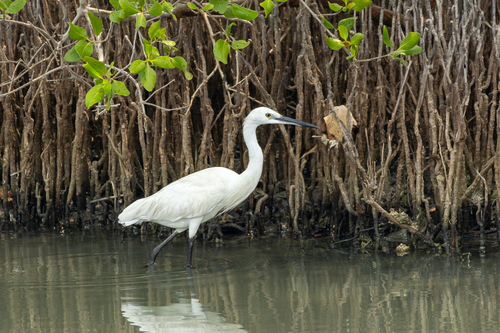 Garzetta
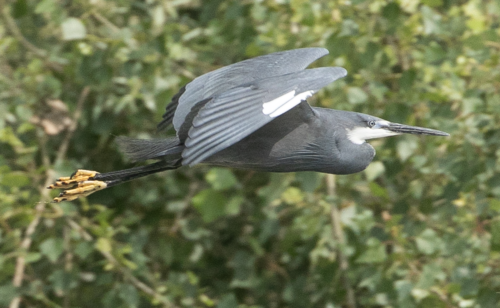 Airone schistaceo
In breve
Il segno distintivo più affidabile tra Garzetta e Airone schistaceo è la colorazione delle gambe e del becco: la Garzetta mostra gambe nere con piedi gialli brillanti (eccetto in alcune sottospecie) e un becco nero snello, mentre l'Airone schistaceo (soprattutto nella forma bianca) ha un becco più pesante, spesso più giallo e più giallo che si estende su gambe più spesse. La forma scura (grigio-ardesia) dell'Airone schistaceo è raramente eguagliata dalla Garzetta, la cui forma scura è estremamente rara; la maggior parte degli uccelli scuri sono Aironi schistacei. I giovani Garzette possono mostrare gambe e piedi più opachi, ma la struttura generale e il colore del becco rimangono utili. Entrambe le specie possono essere molto simili nella forma bianca, quindi è essenziale prestare attenzione alla struttura e al colore delle parti nude.
Consigli di identificazione
- Colore delle gambe e dei piedi: La Garzetta (adulta, razze occidentali) ha gambe nere con piedi gialli brillanti; l'Airone schistaceo (forma bianca) ha giallo che si estende ulteriormente su gambe più spesse e talvolta meno contrasto tra gamba e piede. I giovani Garzette hanno gambe verde-nerastre e piedi gialli più opachi, ma mostrano ancora più contrasto rispetto alla maggior parte degli Aironi schistacei.
- Forma e colore del becco: La Garzetta ha un becco snello, completamente nero; il becco dell'Airone schistaceo è più pesante, spesso con toni giallastri, specialmente alla base. Questo è più evidente nella forma bianca.
- Forma scura: Un uccello grigio-ardesia o nerastro con una gola bianca in questo gruppo è quasi sempre un Airone schistaceo. La forma scura della Garzetta è estremamente rara; quasi tutti gli uccelli scuri sono Aironi schistacei.
- Piume del nape (riproduzione): Entrambe le specie crescono lunghe piume del nape durante la stagione di riproduzione, ma quelle della Garzetta sono più lunghe (fino a 150 mm), più fini e più appuntite. Quelle dell'Airone schistaceo sono presenti ma meno appariscenti.
- Piume scapolari (riproduzione): La Garzetta ha piume scapolari molto lunghe e sciolte (fino a 200 mm) durante la stagione di riproduzione; quelle dell'Airone schistaceo sono meno allungate.
- Pelle facciale e lore: Nella Garzetta, le lore sono nere, a volte diventano rosse durante il corteggiamento; la pelle facciale dell'Airone schistaceo può essere più giallastra e le gambe/pelle facciale possono arrossire durante la riproduzione.
- Colore dei piedi nelle sottospecie: Nota che la sottospecie nigripes della Garzetta ha piedi nerastro e pelle gialla tra il becco e l'occhio, potenzialmente confondibile con l'Airone schistaceo; controlla attentamente il becco e la struttura.
- Struttura: La Garzetta è complessivamente più snella, con un becco più fine e gambe più sottili; l'Airone schistaceo appare più robusto, con un becco più pesante e gambe più spesse.
- Comportamento di foraggiamento: L'Airone schistaceo spesso ombreggia l'acqua con le sue ali mentre caccia; la Garzetta può correre con le ali sollevate ma è meno probabile che ombreggi la preda in questo modo.
- Piumaggio giovanile: I giovani Garzette possono mostrare alcune piume grigio-ardesiate o marroni, ma non la piena forma scura dell'Airone schistaceo. Entrambi i giovani possono essere confusi; concentrati sul colore del becco e delle gambe.
- Habitat: Lontano dalla costa, la Garzetta è molto più probabile. L'Airone schistaceo è fortemente costiero e raramente si trova nell'entroterra.
- Dominanza nei siti di alimentazione: Dove si trovano entrambe le specie, la Garzetta può essere più dominante e aggressiva nei siti di alimentazione.
- Forme intermedie: L'Airone schistaceo può mostrare piumaggio intermedio grigio-bianco, specialmente nei giovani; la Garzetta raramente mostra tale variazione.
- Voce: Non è un separatore affidabile sul campo; entrambi sono silenziosi, ma l'Airone schistaceo può emettere un basso 'kwok' o un richiamo stridente quando disturbato.
- Cambiamenti stagionali: Durante la stagione di riproduzione, entrambe le specie mostrano piume più elaborate e alcuni cambiamenti nel colore delle parti nude; controlla più caratteristiche, poiché l'overlap aumenta.
Taglia
Entrambe le specie sono simili in dimensioni, con la Garzetta che pesa in media circa 532 g [wikidata]. Lunghezza e apertura alare si sovrappongono, con la Garzetta che misura 55–65 cm di lunghezza e 88–106 cm di apertura alare [wikipedia]. L'Airone schistaceo è descritto come di dimensioni medie e non viene notata alcuna differenza di dimensioni significativa nelle fonti; quindi, la dimensione non è un separatore affidabile sul campo.
Piumaggio
I piumaggi giovanili e immaturi non sono descritti come altamente distintivi tra le due specie, ma esistono alcune differenze. I giovani Garzette assomigliano agli adulti non in riproduzione ma con gambe verde-nerastre e piedi gialli più opachi, e possono mostrare alcune piume grigio-ardesiate o marroni. I giovani Aironi schistacei possono mostrare piumaggio intermedio grigio-bianco, ma la differenza più evidente è la presenza di una forma scura (grigio-ardesia con gola bianca), che non è quasi mai vista nella Garzetta—quasi tutti gli uccelli scuri sono Aironi schistacei. Nelle forme bianche, entrambe le specie sono molto simili, ma l'Airone schistaceo tende ad avere un becco più pesante e giallo e più giallo sulle gambe. Durante la stagione di riproduzione, entrambe possono mostrare piume del nape, ma quelle della Garzetta sono più lunghe e più fini. Esistono differenze sottili nella lunghezza e nella texture delle piume scapolari, ma sono difficili da giudicare a distanza.
Comportamento
Entrambe le specie cacciano attivamente in acque poco profonde, spesso correndo o mescolando l'acqua con i piedi. L'Airone schistaceo è noto per essere particolarmente attivo, a volte sbattendo o ombreggiando l'acqua con le sue ali mentre foraggia. Anche la Garzetta utilizza una varietà di strategie di foraggiamento, inclusa la corsa con le ali sollevate, ma non è specificamente nota per il comportamento di ombreggiamento con le ali. Entrambe le specie approfitteranno delle prede disturbate, ma la Garzetta è descritta come più dominante nei siti di alimentazione dove si trovano entrambe.
Habitat
La Garzetta è più generalista, trovata in una varietà di habitat umidi, comprese le acque interne e talvolta sulla terra. L'Airone schistaceo è fortemente costiero, preferendo le pianure di marea, gli estuari e le coste. Se visto lontano dalla costa, la Garzetta è molto più probabile. Entrambe le specie possono sovrapporsi nelle aree costiere, specialmente dove si trovano vagabondi.
Voce
Entrambe le specie sono generalmente silenziose. L'Airone schistaceo è noto per emettere un basso 'kwok' o un richiamo stridente quando disturbato o vicino al nido. Nessuna differenza vocale distintiva è descritta per la Garzetta nelle fonti, e la voce non è un separatore pratico sul campo.