

Motmot

コサギ 対 アオサギ

Egretta garzetta 対 Ardea cinerea

コサギとアオサギのクイズ
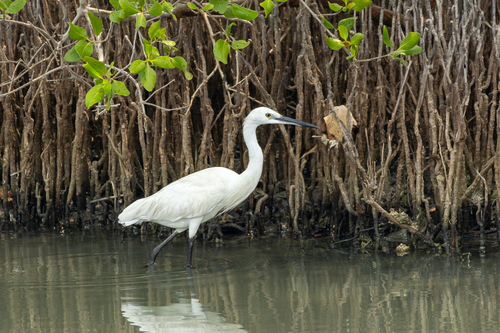
コサギ (Egretta garzetta) コサギ
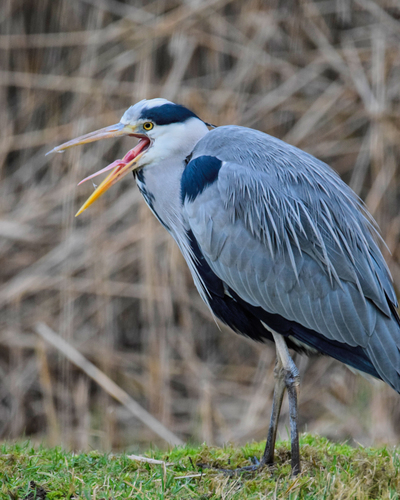
アオサギ (Ardea cinerea) アオサギ

メディア

読み込み中…

要点

コサギとアオサギの最も信頼できるフィールドマークは、全体のサイズと構造です:アオサギははるかに大きく、ずんぐりしていて、長い首を持ち、厚くて短剣のような黄褐色のくちばしを持っています。一方、コサギは細くて優雅な白いサギで、細い黒いくちばしと黒い足に黄色い足を持っています。飛んでいるとき、コサギは全体が白い羽毛を示しますが、アオサギは上部と下部が淡い灰色で、対照的な白い首と黒い頭のストライプがあります。幼鳥のコサギは鈍い足や灰色がかったり茶色がかった羽毛を示すことがありますが、若いアオサギの強い灰色と黒の模様は決して示しません。両種は似たような湿地生息地で見ることができますが、サイズと構造は直接比較すると通常は明確です。

識別のコツ

  1. サイズは最も早いチェックです: アオサギはコサギよりもはるかに大きく、ずんぐりしています。両方を一緒に見ると、違いは際立っています;単独の場合は、近くのカモやカラスと比較してスケールを確認してください。
  2. くちばしの色と形: コサギは細くてまっすぐな黒いくちばしを持っています;アオサギは厚くて短剣のような淡い黄色のくちばしを持っています(繁殖期の成鳥ではより明るいです)。くちばしの色はすべての年齢で信頼できます。
  3. 足と足の色: 成鳥のコサギは黒い足に明るい黄色の足を持っています(いくつかの亜種を除く);幼鳥は鈍い黄色の足と緑がかった黒い足を持っています。アオサギは常に茶色の足を持ち、黄色い足を示すことはありません。
  4. 羽毛の色: コサギはすべての羽毛で純白ですが、幼鳥は灰色がかったり茶色がかった羽毛を持つことがあります。アオサギは上部が灰色、下部が灰白色で、成鳥は白い頭と首、黒い頭のストライプを持っています。
  5. 頭の模様: 成鳥のアオサギは強い黒い眉斑と冠を示し、コサギには欠けています。幼鳥のアオサギは灰色の頭と淡い顔を持ち、全白のコサギとは異なります。
  6. 飛行時の外観: 飛んでいるとき、コサギは全体が白く、黒い足が後ろに引きずられています;アオサギは広い灰色の翼、白い首と頭、長くて重い体を示します。両方の首は引っ込んでいますが、アオサギの首はより長く、S字型です。
  7. 繁殖羽毛: 繁殖期には、コサギは後頭部と胸に長くてふわふわした羽毛を持っています;アオサギは長くなった肩羽と首の羽毛を持っていますが、同じ繊細な羽毛は持っていません。
  8. 幼鳥の混乱: 若いコサギは灰色がかったり茶色がかった羽毛を示すことがありますが、若いアオサギの完全な灰色と白のコントラストや黒い頭の模様は決して示しません。幼鳥のアオサギは鈍くて灰色がかり、小さな冠を持ち、明るい白はありません。
  9. 飛行時の足: コサギの黄色い足は、特に良い光の中で飛行中に後ろに引きずられているのがよく見えます。アオサギはこのコントラストを示しません。
  10. 行動: コサギはより活発で、しばしば走ったり水をかき混ぜたりします;アオサギはより静止しており、長時間じっと立っています。
  11. 止まっている姿勢: アオサギはしばしば長い首と重いくちばしで直立して止まります;コサギはよりコンパクトで繊細な姿勢です。
  12. 生息地の重複: 両方は一緒に出現することがあるので、生息地だけに頼って分けないでください。
  13. 声: 利用可能なメモからは診断できません。
  14. 季節の変化: コサギの繁殖羽毛は春と夏に最も明白です;アオサギのくちばしは繁殖期に明るくなりますが、全体の色のパターンは一貫しています。
  15. 一般的な落とし穴: 遠くにいる、かがんでいるアオサギを姿勢に基づいてコサギと間違えないでください;常にくちばしの色とサイズを確認してください。鈍い足の幼鳥のコサギに注意してくださいが、彼らは決してアオサギほど灰色でも大きくもありません。

大きさ

アオサギは劇的に大きいです:高さは最大100 cm、体長は84–102 cm、翼幅は155–195 cm、体重は1–2 kgです。コサギははるかに小さく、体長は55–65 cm、翼幅は88–106 cm、体重は約532 gです。距離があっても、アオサギの体格、長い首、広い翼は、コサギのより繊細でコンパクトな体型と比較して明らかです。一緒に見ると、コサギはアオサギのほぼ半分のサイズに見えます。

羽色

行動

両種はしばしば浅い水で足を浸しているのが見られますが、採餌スタイルは異なります。コサギはより活発で、しばしば走ったり、足をかき混ぜたり、水をかき混ぜて獲物を追い出したりします。また、陸上で餌を食べたり、機会を利用して食べたりすることもあります。アオサギは通常、長時間じっと立って獲物を強力なくちばしで捕まえるのを待ち、水をかき混ぜたり走ったりするのはあまり見られません。混合採餌群では、コサギはより敏捷で、他の小さなサギに対して優位になることがありますが、アオサギに対してはそうではありません。飛行スタイルも異なります:アオサギは遅くて深い翼の打撃で飛び、引っ込めた首を持ち、重くて安定して見えます;コサギは飛行中により軽く、浮遊感があります。

生息環境

両種は湖、川、池、湿地、沿岸地域など、広範囲の湿地生息地を利用します。コサギはまた、特に家畜や人間の活動の近くで陸上で餌を食べることがあり、機会を利用して食べたり、乱された獲物を利用したりすることが多いです。アオサギはより静かな湿地を好み、特に水辺や水の近くの木に止まっているのがよく見られます。両方は範囲と生息地で重複することがあるので、文脈だけでは診断できません。

より良い説明を送る

比較と同じ項目を使ってください。文章はすぐに公開されます。

The most reliable field mark between Little Egret and Grey Heron is overall size and structure: Grey Heron is much larger, bulkier, and longer-necked, with a thick, dagger-like yellowish bill, while Little Egret is a slender, dainty white heron with a thin black bill and black legs with yellow feet. In flight, Little Egret shows entirely white plumage, whereas Grey Heron is pale grey above and below with a contrasting white neck and black head stripe. Juvenile Little Egrets may show duller legs and some greyish or brownish feathers, but never the strong grey and black patterning of a young Grey Heron. Both species can be seen in similar wetland habitats, but their size and structure are usually unmistakable in direct comparison.

  1. Size is the fastest check: Grey Heron is much larger and bulkier than Little Egret. If you see both together, the difference is striking; if alone, compare to nearby ducks or crows for scale.
  2. Bill color and shape: Little Egret has a thin, straight, black bill; Grey Heron has a thick, dagger-like, pinkish-yellow bill (brighter in breeding adults). Bill color is reliable at all ages.
  3. Leg and foot color: Adult Little Egret has black legs with bright yellow feet (except in some races); juveniles have duller yellow feet and greenish-black legs. Grey Heron always has brown legs and never shows yellow feet.
  4. Plumage color: Little Egret is pure white in all plumages, though juveniles may have a few greyish or brownish feathers. Grey Heron is ashy-grey above, greyish-white below, with a white head and neck and black head stripe in adults.
  5. Head pattern: Adult Grey Heron shows a strong black supercilium and crest, lacking in Little Egret. Juvenile Grey Heron has a grey head and paler face, still unlike the all-white Egret.
  6. Flight appearance: In flight, Little Egret is all white with black legs trailing behind; Grey Heron shows broad grey wings, a white neck and head, and a long, heavy body. The neck is retracted in both, but the Heron's is longer and more S-shaped.
  7. Breeding plumes: In breeding season, Little Egret has long, wispy plumes on the nape and breast; Grey Heron has elongated scapular and neck feathers but not the same delicate plumes.
  8. Juvenile confusion: Young Little Egrets may show some greyish or brownish feathers but never the full grey and white contrast or black head markings of a young Grey Heron. Juvenile Grey Herons are dull and ashy, with a small crest and no bright white.
  9. Feet in flight: The yellow feet of Little Egret are often visible trailing behind in flight, especially in good light. Grey Heron never shows this contrast.
  10. Behavior: Little Egret is more active, often running or stirring water; Grey Heron is more sedentary, standing still for long periods.
  11. Perched posture: Grey Heron often perches upright with a long neck and heavy bill; Little Egret is more compact and delicate in stance.
  12. Habitat overlap: Both can occur together, so do not rely on habitat alone for separation.
  13. Voice: Not diagnostic from available notes.
  14. Seasonal changes: Breeding plumes on Little Egret are most obvious in spring and summer; Grey Heron's bill becomes brighter in breeding season, but overall color pattern remains consistent.
  15. Common pitfalls: Do not mistake a distant, hunched Grey Heron for a Little Egret based on posture; always check bill color and size. Beware of juvenile Little Egrets with dull legs, but remember they are never as grey or as large as Grey Heron.

Grey Heron is dramatically larger: standing up to 100 cm tall, with a body length of 84–102 cm and a wingspan of 155–195 cm, and weighing 1–2 kg. Little Egret is much smaller, 55–65 cm long, with a wingspan of 88–106 cm and a body mass around 532 g. Even at a distance, the Grey Heron's bulk, long neck, and broad wings are obvious compared to the Little Egret's more delicate, compact build. If seen together, the Egret looks almost half the size of the Heron.

  • Juvenile/immature birds: Juvenile Little Egrets are mostly white but can show some greyish or brownish feathers, especially on the upperparts, and have greenish-black legs with duller yellow feet. Juvenile Grey Herons are much duller than adults, with a greyish head (lacking the strong black head stripe), a paler grey face, and only a small, dark grey crest. Their underparts are greyish-white, and they show a generally washed-out, ashy appearance. No juvenile Little Egret ever shows the grey-and-white contrast or the black head markings of a young Grey Heron.

  • Adults: Adult Little Egrets are entirely white, with long, wispy nape and breast plumes in breeding season. The bill is always black, the legs black, and the feet yellow (except in some races). Adult Grey Herons are ashy grey above, greyish-white below, with a white head and neck, a broad black supercilium extending into a crest, and bluish-black streaks on the neck. The bill is pinkish-yellow, becoming brighter in breeding season, and the legs are brown. In flight, Little Egret is all white; Grey Heron shows grey upperwings and body, with a white neck and head, and black on the head and flanks.

Both species are often seen wading in shallow water, but their foraging styles differ. Little Egret is more active, often running, shuffling its feet, or stirring the water to flush prey, and may also feed on land or scavenge opportunistically. Grey Heron typically stands motionless for long periods, waiting to strike at prey with its powerful bill, and is less likely to be seen running or stirring the water. In mixed feeding groups, Little Egret is more agile and may be dominant over other small herons, but not over Grey Heron. Flight style also differs: Grey Heron flies with slow, deep wingbeats and a retracted neck, appearing heavy and steady; Little Egret is lighter and more buoyant in flight.

Both species use a wide range of wetland habitats, including lakes, rivers, ponds, marshes, and coastal areas. Little Egret can also be found feeding on land, especially near livestock or human activity, and is more likely to be seen scavenging or using disturbed prey. Grey Heron prefers quieter wetlands and is more often seen alone or in loose groups, especially at the water's edge or perched in trees near water. Both can overlap in range and habitat, so context alone is not diagnostic.

変更を破棄しますか?

保存していない編集があります。今離れると失われます。

コサギ · アオサギ · 苦手な鳥