

Garzetta vs Airone cenerino
Egretta garzetta contro Ardea cinerea
Fai un quiz con Garzetta e Airone cenerino
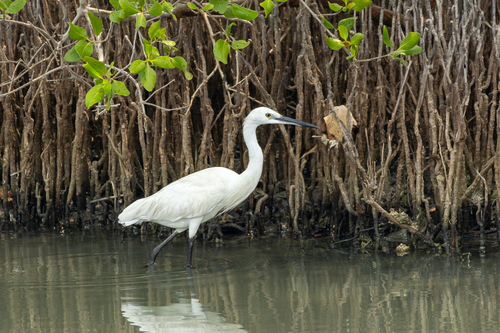 Garzetta
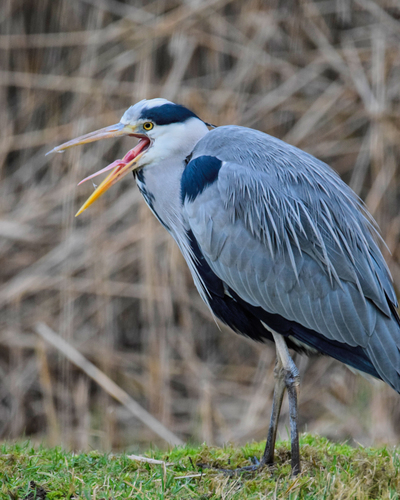 Airone cenerino
In breve
Il segno distintivo più affidabile tra Garzetta e Airone cenerino è la dimensione e la struttura complessiva: l'Airone cenerino è molto più grande, massiccio e con un collo più lungo, con un becco spesso, simile a un pugnale, di colore giallastro, mentre la Garzetta è un elegante e delicato airone bianco con un becco sottile e nero e zampe nere con piedi gialli. In volo, la Garzetta mostra un piumaggio completamente bianco, mentre l'Airone cenerino è grigio chiaro sopra e sotto con un collo bianco a contrasto e una striscia nera sulla testa. I giovani Garzette possono mostrare zampe più opache e alcune piume grigie o marroni, ma mai il forte motivo grigio e nero di un giovane Airone cenerino. Entrambe le specie possono essere viste in habitat umidi simili, ma la loro dimensione e struttura sono solitamente inconfondibili in un confronto diretto.
Consigli di identificazione
- La dimensione è il controllo più veloce: L'Airone cenerino è molto più grande e massiccio della Garzetta. Se vedi entrambi insieme, la differenza è sorprendente; se da solo, confronta con anatre o corvi vicini per la scala.
- Colore e forma del becco: La Garzetta ha un becco sottile, dritto e nero; l'Airone cenerino ha un becco spesso, simile a un pugnale, di colore rosa-giallastro (più brillante negli adulti in riproduzione). Il colore del becco è affidabile a tutte le età.
- Colore delle zampe e dei piedi: L'adulto Garzetta ha zampe nere con piedi gialli brillanti (eccetto in alcune razze); i giovani hanno piedi gialli più opachi e zampe nero-verdi. L'Airone cenerino ha sempre zampe marroni e non mostra mai piedi gialli.
- Colore del piumaggio: La Garzetta è completamente bianca in tutti i piumaggi, anche se i giovani possono avere alcune piume grigie o marroni. L'Airone cenerino è grigio cenere sopra, grigio-bianco sotto, con una testa e un collo bianchi e una striscia nera sulla testa negli adulti.
- Motivo della testa: L'adulto Airone cenerino mostra un forte sopracciglio nero e una cresta, assente nella Garzetta. Il giovane Airone cenerino ha una testa grigia e un viso più chiaro, ancora diverso dalla Garzetta completamente bianca.
- Aspetto in volo: In volo, la Garzetta è completamente bianca con zampe nere che si trascinano dietro; l'Airone cenerino mostra ampie ali grigie, un collo e una testa bianchi, e un corpo lungo e pesante. Il collo è ritratto in entrambi, ma quello dell'Airone è più lungo e più a forma di S.
- Piume da riproduzione: Durante la stagione di riproduzione, la Garzetta ha lunghe piume sottili sulla nuca e sul petto; l'Airone cenerino ha piume scapolari e del collo allungate ma non le stesse piume delicate.
- Confusione giovanile: I giovani Garzette possono mostrare alcune piume grigie o marroni ma mai il pieno contrasto grigio e bianco o i segni neri sulla testa di un giovane Airone cenerino. I giovani Aironi cenerini sono opachi e cenere, con una piccola cresta e senza bianco brillante.
- Piedi in volo: I piedi gialli della Garzetta sono spesso visibili che si trascinano dietro in volo, specialmente in buona luce. L'Airone cenerino non mostra mai questo contrasto.
- Comportamento: La Garzetta è più attiva, spesso corre o agita acqua; l'Airone cenerino è più sedentario, rimanendo fermo per lunghi periodi.
- Postura in perching: L'Airone cenerino spesso si posa eretto con un collo lungo e un becco pesante; la Garzetta è più compatta e delicata nella postura.
- Sovrapposizione dell'habitat: Entrambi possono verificarsi insieme, quindi non fare affidamento solo sull'habitat per la separazione.
- Voce: Non diagnostica dalle note disponibili.
- Cambiamenti stagionali: Le piume da riproduzione sulla Garzetta sono più evidenti in primavera e estate; il becco dell'Airone cenerino diventa più brillante durante la stagione di riproduzione, ma il modello di colore complessivo rimane costante.
- Trappole comuni: Non scambiare un Airone cenerino distante e curvo per una Garzetta basandoti sulla postura; controlla sempre il colore e la dimensione del becco. Fai attenzione ai giovani Garzette con zampe opache, ma ricorda che non sono mai così grigi o grandi come l'Airone cenerino.
Taglia
L'Airone cenerino è drammaticamente più grande: raggiunge un'altezza di fino a 100 cm, con una lunghezza del corpo di 84–102 cm e un'apertura alare di 155–195 cm, e pesa 1–2 kg. La Garzetta è molto più piccola, lunga 55–65 cm, con un'apertura alare di 88–106 cm e una massa corporea di circa 532 g. Anche a distanza, la massa, il collo lungo e le ampie ali dell'Airone cenerino sono evidenti rispetto alla struttura più delicata e compatta della Garzetta. Se visti insieme, l'Airone cenerino sembra quasi il doppio della dimensione della Garzetta.
Piumaggio
-
Uccelli giovani/immaturi: I giovani Garzette sono per lo più bianchi ma possono mostrare alcune piume grigie o marroni, specialmente sulle parti superiori, e hanno zampe nero-verdi con piedi gialli più opachi. I giovani Aironi cenerini sono molto più opachi degli adulti, con una testa grigia (priva della forte striscia nera sulla testa), un viso grigio più chiaro e solo una piccola cresta grigia scura. Le loro parti inferiori sono grigio-bianco e mostrano un aspetto generalmente sbiadito e cenere. Nessun giovane Garzetta mostra mai il contrasto grigio-bianco o i segni neri sulla testa di un giovane Airone cenerino.
-
Adulti: Gli adulti Garzette sono completamente bianchi, con lunghe piume sottili sulla nuca e sul petto durante la stagione di riproduzione. Il becco è sempre nero, le zampe nere e i piedi gialli (eccetto in alcune razze). Gli adulti Aironi cenerini sono grigio cenere sopra, grigio-bianco sotto, con una testa e un collo bianchi, un ampio sopracciglio nero che si estende in una cresta e strisce blu-nerastre sul collo. Il becco è rosa-giallastro, diventando più brillante durante la stagione di riproduzione, e le zampe sono marroni. In volo, la Garzetta è completamente bianca; l'Airone cenerino mostra ali e corpo grigi, con un collo e una testa bianchi, e nero sulla testa e sui fianchi.
Comportamento
Entrambe le specie sono spesso viste guadare in acque poco profonde, ma i loro stili di alimentazione differiscono. La Garzetta è più attiva, spesso corre, muove i piedi o agita l'acqua per spaventare le prede, e può anche nutrirsi a terra o nutrirsi opportunisticamente. L'Airone cenerino di solito rimane immobile per lunghi periodi, aspettando di colpire la preda con il suo potente becco, ed è meno probabile che venga visto correre o agitare l'acqua. Nei gruppi di alimentazione misti, la Garzetta è più agile e può essere dominante su altri piccoli aironi, ma non sull'Airone cenerino. Anche lo stile di volo differisce: l'Airone cenerino vola con battiti d'ali lenti e profondi e un collo ritratto, apparendo pesante e stabile; la Garzetta è più leggera e più galleggiante in volo.
Habitat
Entrambe le specie utilizzano una vasta gamma di habitat umidi, tra cui laghi, fiumi, stagni, paludi e aree costiere. La Garzetta può anche essere trovata a nutrirsi a terra, specialmente vicino a bestiame o attività umane, ed è più probabile che venga vista a nutrirsi di carcasse o utilizzare prede disturbate. L'Airone cenerino preferisce habitat umidi più tranquilli ed è più spesso visto da solo o in gruppi sciolti, specialmente al bordo dell'acqua o posato sugli alberi vicino all'acqua. Entrambi possono sovrapporsi in gamma e habitat, quindi il contesto da solo non è diagnostico.