

Motmot

キガシラコンドル 対 オオキガシラコンドル

Cathartes burrovianus 対 Cathartes melambrotus

キガシラコンドルとオオキガシラコンドルのクイズ
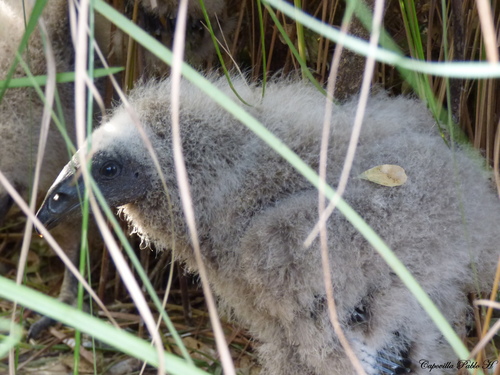
キガシラコンドル (Cathartes burrovianus) キガシラコンドル
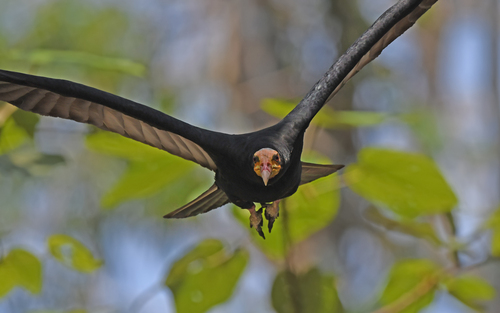
オオキガシラコンドル (Cathartes melambrotus) オオキガシラコンドル

メディア

読み込み中…

要点

キガシラコンドルとオオキガシラコンドルの最も信頼できるフィールドマークは、頭の色と全体的な構造の組み合わせです:キガシラコンドルは、よりオレンジがかった小さくスリムな頭と短い尾を持ち、オオキガシラコンドルは、より黄色い頭、よりがっしりした体格、そして長く幅の広い尾を示します。飛行中、オオキガシラコンドルはより安定しており、幅の広い翼を持っていますが、キガシラコンドルはしばしば低く滑空し、安定性が低いです。未熟な鳥は難しいですが、オオキガシラコンドルの幼鳥は鈍い灰色の頭と黒い羽毛を持ち、キガシラコンドルの未熟な個体はより茶色で、頭はくすんでいます。生息地は強い手がかりです:キガシラコンドルは開けた湿地やサバンナを好み、オオキガシラコンドルはほぼ常に湿った森林にいます。

識別のコツ

  1. 頭の色(成鳥): オオキガシラコンドルは、青い冠とピンクがかった後頭部/鼻孔のある、より黄色く均一な裸の頭を持ち、キガシラコンドルの頭はよりオレンジがかった色合いで、赤みがかった額/後頭部と灰青色の冠を持っています。これは良い光の下で最も信頼できます。
  2. 頭の色(未熟): 未熟なオオキガシラコンドルは鈍い灰色の頭を持ち、未熟なキガシラコンドルはくすんだ頭で白い後頭部を持っています。これらのマークは微妙で、近くで見る必要があります。
  3. 尾の長さと形状: オオキガシラコンドルは、より長く、幅が広く、丸みを帯びた尾を持ち、しばしば閉じた翼の先端と同じかそれを超えています。キガシラコンドルの尾は短く、細いです;閉じた翼の先端は尾を超えています。
  4. 脚の色: オオキガシラコンドルの脚は黒(しばしば尿排泄症から白い筋が入ることがあります)、キガシラコンドルの脚は白です。これは止まっているときや近くで見るときに見えます。
  5. 羽毛の光沢: オオキガシラコンドルは光沢のある黒で、緑/紫の光沢があります;キガシラコンドルは黒ですが、特に未熟な個体では茶色に見えます。
  6. 体の構造: オオキガシラコンドルはがっしりしており、重く、より力強く作られています;キガシラコンドルはスリムで軽いです。
  7. 飛行スタイル: オオキガシラコンドルは安定して高く滑空し、翼を平らまたはわずかに二重に持っています。キガシラコンドルは低く滑空し、安定性が低く、より不規則な飛行をします。
  8. 翼の形: オオキガシラコンドルの翼は幅が広いです;キガシラコンドルの翼は体のサイズに対して狭く、長いです。
  9. 生息地: 開けた湿地、草原、劣化した地域はキガシラコンドルを指し、密な湿った森林はオオキガシラコンドルの領域です。
  10. 止まり方: オオキガシラコンドルは高い枯れ木を好み、キガシラコンドルはフェンスの柱のような低い止まり木を使用します。
  11. くちばしの形: オオキガシラコンドルのくちばしはより太く、丸みを帯び、より強くフック状です;キガシラコンドルのくちばしは細いです(ただし、遠くからは見えにくいです)。
  12. 翼の下の模様: オオキガシラコンドルの翼の下は黒で、やや淡い二次羽と外側の初羽があります;キガシラコンドルの翼の下は対照的ではないと説明されていますが、両方とも主に暗いです。オオキガシラコンドルは翼の中央にかすかな広い暗い帯を示すことがあります。
  13. 虹彩の色: 両方とも赤い虹彩を持っています;診断には役立ちません。
  14. 足: オオキガシラコンドルの足は黒で、キガシラコンドルの足は白です。止まっているときや近くで見るときにのみ見えます。
  15. 鳴き声: 役に立ちません;両方ともほとんど静かです。
  16. 季節/性別: 季節的または性的二形は報告されていません;すべてのマークは年間を通じて両方の性別に適用されます。
  17. 分布の重複: 両方が生息する地域では、生息地が最初の手がかりです—キガシラコンドルには開けた場所、オオキガシラコンドルには森林があります。
  18. ヒメコンドルとの混同: 両方とも飛行中にヒメコンドルに似ることがありますが、頭の色と生息地が分離の鍵です。

大きさ

オオキガシラコンドルは明らかに大きく、より頑丈です:長さ64–75 cm、翼幅166–178 cm、平均体重約1.37 kg [wikidata]。キガシラコンドルは小さく、軽いです:長さ53–66 cm、翼幅150–165 cm、体重0.95–1.55 kg [wikipedia]。尾はオオキガシラコンドルの方が長く幅が広く、全体的に重く、より力強く見えます。キガシラコンドルはスリムで、尾は短く細いです。

羽色

行動

オオキガシラコンドルは安定した重い翼の打撃で飛び、しばしば森林の上高く滑空し、翼を平らまたはわずかに水平(二重)に保ちます。キガシラコンドルは開けた湿地の上で低く孤立して滑空することを好み、しばしば低い柱に止まります。キガシラコンドルの飛行は安定性が低く、より不規則です。両種は通常孤立しているかペアで、群れでは稀で、両方とも熱気流で静的に滑空します。オオキガシラコンドルは枯れ木の高い場所に止まる傾向がありますが、キガシラコンドルは低い止まり木を使用します。

生息環境

生息地は強い分離要因です:キガシラコンドルは開けた季節的に湿ったまたは洪水の草原、湿地、劣化した開放地域に見られ、密な森林にはめったに見られません。オオキガシラコンドルは森林の専門家で、南アメリカの湿った熱帯低地の森林に見られます。開けた国で黄色い頭のコンドルを見た場合、それはほぼ確実にキガシラコンドルです;密で途切れのない森林では、ほぼ常にオオキガシラコンドルです。

声

両種は鳴管を欠いており、ほとんど静かで、うめき声や低いシューという音に限られています。声は分離には役立ちません。

より良い説明を送る

比較と同じ項目を使ってください。文章はすぐに公開されます。

The most reliable field mark between Lesser and Greater Yellow-headed Vultures is the combination of head color and overall structure: Lesser has a more orange-tinged, smaller, and slimmer head with a shorter tail, while Greater shows a yellower head, bulkier build, and a longer, broader tail. In flight, Greater appears steadier with broader wings, whereas Lesser often glides lower and with less stability. Immature birds are tricky, but Greater juveniles have duller, greyish heads and blacker plumage, while Lesser immatures are browner with dusky heads. Habitat is a strong clue: Lesser favors open wetlands and savannas, Greater is almost always in humid forests.

  1. Head color (adults): Greater has a yellower, more uniform bare head with a blue crown and pinkish nape/nostril area; Lesser's head is more orange-tinged, with a reddish forehead/nape and gray-blue crown. This is most reliable in good light.
  2. Head color (immatures): Immature Greater has a dull greyish head; immature Lesser is dusky-headed with a white nape. These marks are subtle and require close views.
  3. Tail length and shape: Greater has a longer, broader, and more rounded tail, often even with or just beyond the closed wing tip. Lesser's tail is shorter and thinner; the closed wing tip extends beyond the tail.
  4. Leg color: Greater's legs are black (often streaked white from urohidrosis), while Lesser's are white. This is visible when perched or at close range.
  5. Plumage gloss: Greater is glossy black with green/purple sheen; Lesser is black but appears browner, especially in immatures.
  6. Body structure: Greater is bulkier, heavier, and more powerfully built; Lesser is slimmer and lighter.
  7. Flight style: Greater soars steadily, often high, with broad wings held flat or slightly dihedral. Lesser glides lower, with less steady, more erratic flight.
  8. Wing shape: Greater's wings are broader; Lesser's are narrower and longer relative to body size.
  9. Habitat: Open wetlands, grasslands, and degraded areas point to Lesser; dense, humid forest is Greater's domain.
  10. Perching behavior: Greater prefers high, dead trees; Lesser uses lower perches like fence posts.
  11. Bill shape: Greater's bill is thicker, rounder, and more strongly hooked; Lesser's is finer (but this is hard to see at distance).
  12. Underwing pattern: Greater's underwing is black with slightly paler secondaries and outer primaries; Lesser's underwing is not described as contrasting, but both are mostly dark. Greater may show a faint, broad, dark band down the middle of the wing.
  13. Iris color: Both have red irises; not diagnostic.
  14. Feet: Greater's feet are black; Lesser's are white. Only visible when perched or at close range.
  15. Vocalizations: Not useful; both are nearly silent.
  16. Season/sex: No seasonal or sexual dimorphism reported; all marks apply year-round and to both sexes.
  17. Range overlap: In areas where both occur, habitat is the best first clue—open for Lesser, forest for Greater.
  18. Confusion with Turkey Vulture: Both can resemble Turkey Vulture in flight, but head color and habitat are key for separation.

Greater Yellow-headed Vulture is noticeably larger and more robust: length 64–75 cm, wingspan 166–178 cm, and average mass about 1.37 kg [wikidata]. Lesser Yellow-headed is smaller and lighter: length 53–66 cm, wingspan 150–165 cm, and mass 0.95–1.55 kg [wikipedia]. Tail is longer and broader in Greater, and the bird appears heavier and more powerfully built overall. Lesser is slimmer, with a shorter, thinner tail.

  • Juveniles/immatures: Greater Yellow-headed juveniles have a dull greyish head and otherwise resemble adults, with black, glossy plumage. Lesser Yellow-headed immatures are browner overall, with a dusky head and a white nape. These differences are subtle but can be seen at close range or in good light.
  • Adults: Greater has black, glossy plumage with a green or purple sheen, a mostly yellow (sometimes orange) bare head with a blue crown, and a pinkish nape and nostril area. Lesser is black but browner (especially in immatures), with a more orange-tinged bare head, reddish forehead/nape, and gray-blue crown. Greater's legs are black (often streaked white from urohidrosis), Lesser's are white. Both have red irises and flesh-colored bills. In flight, Greater's tail is longer, and the tip of the closed wing is even with or just short of the tail tip; in Lesser, the wing tip extends beyond the shorter tail.

Greater Yellow-headed Vulture flies with steady, heavy wingbeats and often soars high above the forest, holding its wings flat or just above horizontal (dihedral). Lesser Yellow-headed Vulture prefers low, solitary gliding over open wetlands, often perching on low posts. Lesser's flight is less steady and more erratic. Both species are usually solitary or in pairs, rarely in groups, and both use static soaring on thermals. Greater tends to roost higher in dead trees, while Lesser uses lower perches.

Habitat is a strong separator: Lesser Yellow-headed Vulture is found in open, seasonally wet or flooded grasslands, swamps, and degraded open areas—rarely in dense forest. Greater Yellow-headed Vulture is a forest specialist, found in humid, tropical lowland forests of South America. If you see a yellow-headed vulture in open country, it's almost certainly Lesser; in dense, unbroken forest, it's almost always Greater.

Both species lack a syrinx and are nearly silent, limited to grunts and low hisses. Voice is not useful for separation.

変更を破棄しますか?

保存していない編集があります。今離れると失われます。

キガシラコンドル · オオキガシラコンドル · 苦手な鳥