

Lesser Yellow-headed Vulture vs Greater Yellow-headed Vulture
Cathartes burrovianus contro Cathartes melambrotus
Fai un quiz con Lesser Yellow-headed Vulture e Greater Yellow-headed Vulture
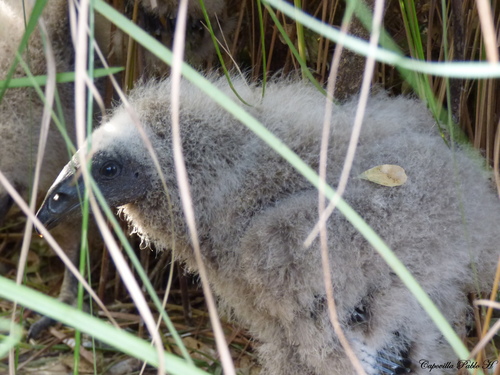 Lesser Yellow-headed Vulture
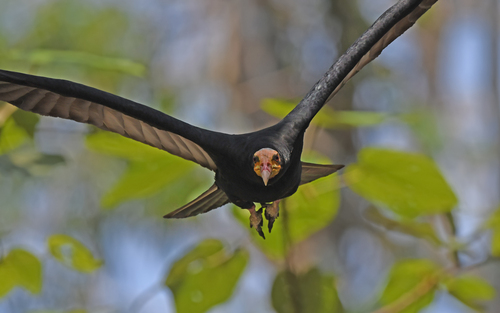 Greater Yellow-headed Vulture
In breve
Il segno di campo più affidabile tra il Vulture dal Testa Gialla Minore e il Vulture dal Testa Gialla Maggiore è la combinazione del colore della testa e della struttura generale: il Minore ha una testa più piccola, slanciata e con una sfumatura arancione, con una coda più corta, mentre il Maggiore mostra una testa più gialla, una corporatura più robusta e una coda più lunga e larga. In volo, il Maggiore appare più stabile con ali più larghe, mentre il Minore spesso plana più in basso e con meno stabilità. Gli uccelli immaturi sono difficili da identificare, ma i giovani del Maggiore hanno teste più opache e grigiastre e piumaggio più scuro, mentre gli immaturi del Minore sono più marroni con teste scure. L'habitat è un forte indizio: il Minore preferisce le zone umide aperte e le savane, il Maggiore si trova quasi sempre nelle foreste umide.
Consigli di identificazione
- Colore della testa (adulti): Il Maggiore ha una testa nuda più gialla e uniforme con una corona blu e una zona nape/nostrile rosa; la testa del Minore è più arancione, con una fronte/nape rossa e una corona grigio-blu. Questo è più affidabile in buona luce.
- Colore della testa (immaturi): L'immaturo Maggiore ha una testa grigia opaca; l'immaturo Minore ha una testa scura con una nape bianca. Questi segni sono sottili e richiedono visioni ravvicinate.
- Lunghezza e forma della coda: Il Maggiore ha una coda più lunga, più larga e più arrotondata, spesso anche con la punta dell'ala chiusa. La coda del Minore è più corta e più sottile; la punta dell'ala chiusa si estende oltre la coda.
- Colore delle gambe: Le gambe del Maggiore sono nere (spesso striate di bianco per uroidrosi), mentre quelle del Minore sono bianche. Questo è visibile quando sono posati o a distanza ravvicinata.
- Lucentezza del piumaggio: Il Maggiore è nero lucido con riflessi verdi/viola; il Minore è nero ma appare più marrone, specialmente negli immaturi.
- Struttura corporea: Il Maggiore è più robusto, pesante e costruito in modo più potente; il Minore è più snello e leggero.
- Stile di volo: Il Maggiore vola stabilmente, spesso in alto, con ali larghe tenute piatte o leggermente dihedral. Il Minore plana più in basso, con un volo meno stabile e più erratico.
- Forma delle ali: Le ali del Maggiore sono più larghe; quelle del Minore sono più strette e lunghe rispetto alla dimensione del corpo.
- Habitat: Le zone umide aperte, le praterie e le aree degradate indicano il Minore; la foresta densa e umida è il dominio del Maggiore.
- Comportamento di posarsi: Il Maggiore preferisce alberi morti alti; il Minore usa posatoi più bassi come pali di recinzione.
- Forma del becco: Il becco del Maggiore è più spesso, rotondo e più fortemente ricurvo; quello del Minore è più fine (ma questo è difficile da vedere a distanza).
- Schema dell'ala inferiore: L'ala inferiore del Maggiore è nera con secondarie e primarie esterne leggermente più chiare; l'ala inferiore del Minore non è descritta come contrastante, ma entrambe sono per lo più scure. Il Maggiore può mostrare una debole e ampia banda scura lungo il centro dell'ala.
- Colore dell'iride: Entrambi hanno iridi rosse; non diagnostico.
- Piedi: I piedi del Maggiore sono neri; quelli del Minore sono bianchi. Visibili solo quando sono posati o a distanza ravvicinata.
- Vocalizzazioni: Non utili; entrambi sono quasi silenziosi.
- Stagione/sesso: Non è stato riportato dimorfismo stagionale o sessuale; tutti i segni si applicano tutto l'anno e a entrambi i sessi.
- Sovrapposizione dell'areale: Nelle aree in cui entrambi si trovano, l'habitat è il miglior primo indizio: aperto per il Minore, foresta per il Maggiore.
- Confusione con il Vulture Tacchino: Entrambi possono somigliare al Vulture Tacchino in volo, ma il colore della testa e l'habitat sono fondamentali per la separazione.
Taglia
Il Vulture dal Testa Gialla Maggiore è notevolmente più grande e robusto: lunghezza 64–75 cm, apertura alare 166–178 cm e massa media di circa 1,37 kg [wikidata]. Il Vulture dal Testa Gialla Minore è più piccolo e leggero: lunghezza 53–66 cm, apertura alare 150–165 cm e massa 0,95–1,55 kg [wikipedia]. La coda è più lunga e più larga nel Maggiore, e l'uccello appare più pesante e costruito in modo più potente nel complesso. Il Minore è più snello, con una coda più corta e più sottile.
Piumaggio
- Giovani/immaturi: I giovani del Vulture dal Testa Gialla Maggiore hanno una testa grigia opaca e altrimenti somigliano agli adulti, con piumaggio nero e lucido. Gli immaturi del Vulture dal Testa Gialla Minore sono complessivamente più marroni, con una testa scura e una nape bianca. Queste differenze sono sottili ma possono essere viste a distanza ravvicinata o in buona luce.
- Adulti: Il Maggiore ha piumaggio nero lucido con riflessi verdi o viola, una testa nuda per lo più gialla (a volte arancione) con una corona blu e una nape e una zona nostrile rosa. Il Minore è nero ma più marrone (specialmente negli immaturi), con una testa nuda più arancione, fronte/nape rossa e corona grigio-blu. Le gambe del Maggiore sono nere (spesso striate di bianco per uroidrosi), quelle del Minore sono bianche. Entrambi hanno iridi rosse e becchi color carne. In volo, la coda del Maggiore è più lunga, e la punta dell'ala chiusa è alla stessa altezza o appena sotto la punta della coda; nel Minore, la punta dell'ala si estende oltre la coda più corta.
Comportamento
Il Vulture dal Testa Gialla Maggiore vola con battiti d'ala costanti e pesanti e spesso plana in alto sopra la foresta, tenendo le ali piatte o appena sopra l'orizzontale (dihedrale). Il Vulture dal Testa Gialla Minore preferisce planare basso e solitario sopra le zone umide aperte, spesso posandosi su pali bassi. Il volo del Minore è meno stabile e più erratico. Entrambe le specie sono solitamente solitarie o in coppie, raramente in gruppi, e entrambe utilizzano il volo statico sulle termiche. Il Maggiore tende a posarsi più in alto in alberi morti, mentre il Minore utilizza posatoi più bassi.
Habitat
L'habitat è un forte separatore: il Vulture dal Testa Gialla Minore si trova in praterie aperte, umide o allagate stagionalmente, paludi e aree degradate—raramente in foreste dense. Il Vulture dal Testa Gialla Maggiore è uno specialista della foresta, trovato in foreste tropicali umide e basse del Sud America. Se vedi un vulture dal testa gialla in un paese aperto, è quasi certamente il Minore; in una foresta densa e ininterrotta, è quasi sempre il Maggiore.
Voce
Entrambe le specie mancano di un syrinx e sono quasi silenziose, limitate a grugniti e sussurri bassi. La voce non è utile per la separazione.
Lesser Yellow-headed Vulture · Greater Yellow-headed Vulture · I miei uccelli difficili