

Motmot

ネズミモズタイランチョウ 対 ズキンフウキンチョウ

Agriornis murinus 対 Nemosia pileata

ネズミモズタイランチョウとズキンフウキンチョウのクイズ
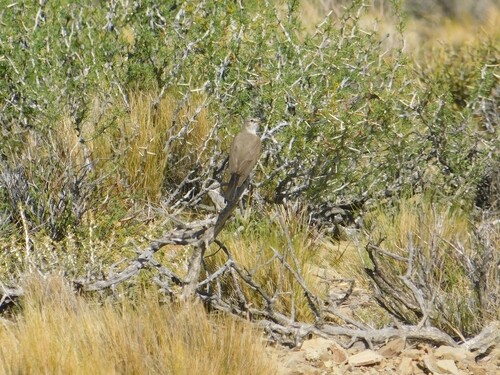
ネズミモズタイランチョウ (Agriornis murinus) ネズミモズタイランチョウ
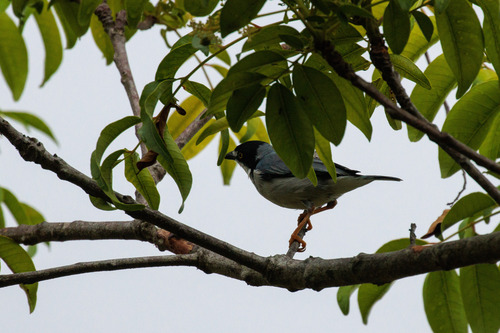
ズキンフウキンチョウ (Nemosia pileata) ズキンフウキンチョウ

メディア

読み込み中…

要点

ネズミモズタイランチョウとズキンフウキンチョウの最も信頼できるフィールドマークは頭の模様です:成鳥のオスのズキンフウキンチョウは、白いロアと喉を持つ印象的な黒いフードを持っていますが、ネズミモズタイランチョウは、斑点のあるロアと淡いスーパシリウムを持つ灰褐色の冠を示します。幼鳥のズキンフウキンチョウは、上面が淡い青色で、下面が青灰色で、決してタイランチョウの縞模様の喉や褐色の色合いを示しません。構造も役立ちます:タイランチョウはより大きく、頑丈で、重くてフック状のくちばしと長い尾を持っています。両種は淡い下部と灰色がかった上部を示すことがありますが、頭の模様、くちばしの形、脚の色(フウキンチョウは黄色、タイランチョウは黒っぽい)の組み合わせが決定的です。

識別のコツ

  1. Head pattern (adult males): ズキンフウキンチョウのオスは、白いロアと喉を持つ固体の黒いフードを持っており、ユニークで間違いありません。ネズミモズタイランチョウは決して黒いフードを示さず、代わりに灰褐色の冠、斑点のあるロア、淡いスーパシリウムを探してください。
  2. Head pattern (adult females): メスのズキンフウキンチョウは黒いフードがなく、頭は上面と同じ灰色がかった青色で、白いロアを持っています。メスのタイランチョウは灰褐色のままで、淡いスーパシリウムと縞模様の喉を持っています。
  3. Juvenile plumage: 幼鳥のズキンフウキンチョウは、上面が淡い青色で、下面が青灰色で、バラオレンジ色の脚と足を持ち、決して喉に縞模様や褐色の色合いを示しません。タイランチョウの幼鳥は詳細には記述されていませんが、大人と同様に灰褐色で縞模様であるべきです。
  4. Throat pattern: タイランチョウは常に薄い黒(オス)または茶色(メス)の縞模様を持つ白い喉を示します。ズキンフウキンチョウのオスはきれいな白い喉を持ち、メスは淡い色合いの白い喉を持ち、決して縞模様ではありません。
  5. Bill shape: タイランチョウは細長くフック状の黒いくちばしを持ち、明らかにタイランチョウのようです。ズキンフウキンチョウは、オスは黒、メスは二色(上が黒、下が灰色がかった)のより短く典型的なフウキンチョウのくちばしを持っています。
  6. Leg color: ズキンフウキンチョウの脚は黄色または黄褐色(成鳥)、バラオレンジ色(幼鳥)です。タイランチョウの脚は常に黒っぽいです。
  7. Iris color: ズキンフウキンチョウは黄色の虹彩を持ち、タイランチョウの虹彩は暗いです。
  8. Wing pattern: タイランチョウは、カバー羽に白っぽい先端と内側の飛翔羽に淡いエッジを持つ薄暗い翼を示し、さらに淡い外側のウェブを持つ薄暗い尾を持っています。ズキンフウキンチョウの翼と尾は灰色がかった青色で、淡い先端やエッジはありません。
  9. Underparts: 両種は下部が淡く見えることがありますが、タイランチョウはクリーミーな白色で淡い灰褐色の側面(淡い色合い)を持ち、ズキンフウキンチョウは白色で淡い灰色(オス)または淡い色合い(メス)の側面を持っています。
  10. Structure and jizz: タイランチョウはより大きく、頑丈で、長い尾とより直立したタイランチョウのような姿勢を持っています。ズキンフウキンチョウはより小さく、軽く、より活発です。
  11. Behavior: タイランチョウは露出した直立した位置に止まり、しばしば低い止まり木に止まり、タイランチョウのような姿勢で獲物を探します。フウキンチョウはより活発で葉の中で動き回り、長時間露出した場所に止まることは少ないです。
  12. Habitat: タイランチョウは開けた低木の生息地を好み、フウキンチョウはより森林や半開放的な地域にいることが多いです。
  13. Sexual dimorphism: ズキンフウキンチョウは強い二形性を持ち(オスのみ黒いフード)、タイランチョウの性別は似ており、喉の縞模様の色にわずかな違いしかありません。
  14. Tail pattern: タイランチョウは外側の羽に淡い灰色から白の外側のウェブを持つ薄暗い尾を持ち、フウキンチョウの尾は単純な灰色がかった青色です。
  15. Pitfalls: 照明が悪い場合、両種は上面が灰色がかり、下面が淡く見えることがありますが、頭の模様、くちばし、脚の色の組み合わせは、よく見れば常に診断的です。

大きさ

ネズミモズタイランチョウは明らかに大きく、頑丈で、全長は16〜18.5 cmで、ズキンフウキンチョウの12〜13.5 cmと比較されます。フウキンチョウは軽く、典型的な成鳥の質量は約16 gです。タイランチョウはより頑丈で直立した姿勢を持ち、相対的に長い尾を持っていますが、フウキンチョウはよりコンパクトで軽量です。

羽色

行動

ネズミモズタイランチョウは通常、直立して露出した位置に止まり、しばしばフェンスや低い低木に止まり、タイランチョウのような姿勢で獲物を探します。ズキンフウキンチョウはより活発で敏捷で、しばしば葉の中を移動したり、枝の間を短い飛行で移動したりし、長時間露出した場所に止まることは少ないです。タイランチョウの重い体型と慎重な動きは、フウキンチョウの軽快で落ち着かない行動と対照的です。

生息環境

両種は南アメリカの一部で生息域が重なることがありますが、ネズミモズタイランチョウは開けた低木の生息地、草原、またはエッジにいることが多く、しばしば高地や乾燥した地域にいます。ズキンフウキンチョウは、森林のエッジ、二次成長、時には庭を含む、より広範な森林や半開放的な生息地に見られます。密な森林や湿った低地の森林で見られる場合、ズキンフウキンチョウの方が可能性が高く、開けた乾燥した高地ではタイランチョウが好まれます。

より良い説明を送る

比較と同じ項目を使ってください。文章はすぐに公開されます。

The most reliable field mark between Lesser Shrike-Tyrant and Hooded Tanager is the head pattern: adult male Hooded Tanagers have a striking black hood with white lores and throat, while Lesser Shrike-Tyrants show a gray-brown crown with mottled lores and a pale supercilium. Juvenile Hooded Tanagers are pale blue above and bluish gray below, never showing the streaked throat or brownish tones of the shrike-tyrant. Structure also helps: the shrike-tyrant is larger and more robust, with a heavier, hooked bill and longer tail. Both species can show pale underparts and grayish upperparts, but the combination of head pattern, bill shape, and leg color (yellow in tanager, blackish in shrike-tyrant) is decisive.

  1. Head pattern (adult males): Hooded Tanager males have a solid black hood with white lores and throat—unique and unmistakable. Lesser Shrike-Tyrant never shows a black hood; instead, look for a gray-brown crown, mottled lores, and a pale supercilium.
  2. Head pattern (adult females): Female Hooded Tanagers lack the black hood, but their head is the same grayish blue as the upperparts, with white lores. Female shrike-tyrants remain gray-brown with a pale supercilium and streaked throat.
  3. Juvenile plumage: Juvenile Hooded Tanagers are pale blue above and bluish gray below with rose-orange legs and feet—never streaked on the throat or brownish. Shrike-tyrant juveniles are not described in detail but should resemble adults in being gray-brown and streaked.
  4. Throat pattern: Shrike-tyrant always shows a white throat with thin black (male) or brown (female) streaks. Hooded Tanager males have a clean white throat; females have a buff-tinged white throat, never streaked.
  5. Bill shape: Shrike-tyrant has a slender, hooked black bill—noticeably shrike-like. Hooded Tanager has a shorter, more typical tanager bill: black in males, bicolored in females (black above, grayish below).
  6. Leg color: Hooded Tanager legs are yellow or yellow-brown (adults), rose-orange (juveniles). Shrike-tyrant legs are always blackish.
  7. Iris color: Hooded Tanager has a yellow iris; shrike-tyrant's iris is dark.
  8. Wing pattern: Shrike-tyrant shows dusky wings with whitish tips to coverts and pale edges to inner flight feathers, plus a dusky tail with pale outer webs. Hooded Tanager wings and tail are grayish blue, lacking pale tips or edges.
  9. Underparts: Both can appear pale below, but shrike-tyrant is creamy whitish with pale grayish brown flanks (buff-tinged); Hooded Tanager is white with pale gray (male) or buff (female) flanks.
  10. Structure and jizz: Shrike-tyrant is larger, bulkier, with a longer tail and more upright, shrike-like posture. Hooded Tanager is smaller, lighter, and more active.
  11. Behavior: Shrike-tyrant perches exposed and upright, often on low perches; tanager is more active in foliage, rarely perching out in the open for long.
  12. Habitat: Shrike-tyrant prefers open, shrubby, or grassland habitats; tanager is more often in wooded or semi-open areas.
  13. Sexual dimorphism: Hooded Tanager is strongly dimorphic (black hood in males only); shrike-tyrant sexes are similar, with only subtle differences in throat streak color.
  14. Tail pattern: Shrike-tyrant has a dusky tail with pale grayish to white outer webs on the outermost feathers; tanager's tail is plain grayish blue.
  15. Pitfalls: In poor light, both can appear grayish above and pale below, but the combination of head pattern, bill, and leg color is always diagnostic if seen well.

Lesser Shrike-Tyrant is noticeably larger and bulkier, measuring 16–18.5 cm in length, compared to the Hooded Tanager's 12–13.5 cm. The tanager is lighter, with a typical adult mass around 16 g. The shrike-tyrant has a stouter, more upright posture and a proportionally longer tail, while the tanager is more compact and lighter-built.

  • Juveniles: Hooded Tanager juveniles are pale blue above and bluish gray below, with rose-orange legs and feet—never showing the streaked throat or brownish-gray tones of the shrike-tyrant. Lesser Shrike-Tyrant juveniles are not described in detail, but adults and immatures always show some combination of gray-brown upperparts and streaked white throat.
  • Adult males: Hooded Tanager males have a bold black hood with white lores and throat, grayish blue upperparts, and white underparts with pale gray flanks. Lesser Shrike-Tyrant males are gray-brown above, with a mottled blackish and white lores, pale supercilium, and a white throat with thin black streaks.
  • Adult females: Female Hooded Tanagers lack the black hood; their head matches the grayish blue upperparts, and underparts are white with a buff tinge. Female shrike-tyrants are very similar to males but have browner throat streaks.
  • Wings and tail: Shrike-tyrant wings are dusky with whitish tips to coverts and pale edges to inner flight feathers; tail is dusky with pale outer webs. Hooded Tanager wings and tail are grayish blue, lacking the shrike-tyrant's pale covert tips and tail pattern.

Lesser Shrike-Tyrant typically perches upright and exposed, often on fences or low shrubs, scanning for prey with a shrike-like stance. Hooded Tanager is more active and agile, often moving through foliage or making short flights between branches, and is less likely to perch in the open for long periods. The shrike-tyrant's heavier build and deliberate movements contrast with the tanager's lighter, more restless behavior.

Both species can overlap in range in parts of South America, but Lesser Shrike-Tyrant is more likely in open, shrubby habitats, grasslands, or edges, often at higher elevations or in drier areas. Hooded Tanager is found in a broader range of wooded and semi-open habitats, including forest edges, secondary growth, and sometimes gardens. If seen in dense woodland or humid lowland forest, Hooded Tanager is more likely; in open, arid, or highland areas, the shrike-tyrant is favored.

変更を破棄しますか?

保存していない編集があります。今離れると失われます。

ネズミモズタイランチョウ · ズキンフウキンチョウ · 苦手な鳥