

Lesser Shrike-Tyrant vs Hooded Tanager
Agriornis murinus contro Nemosia pileata
Fai un quiz con Lesser Shrike-Tyrant e Hooded Tanager
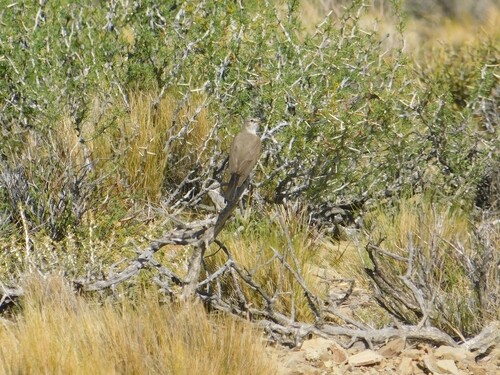 Lesser Shrike-Tyrant
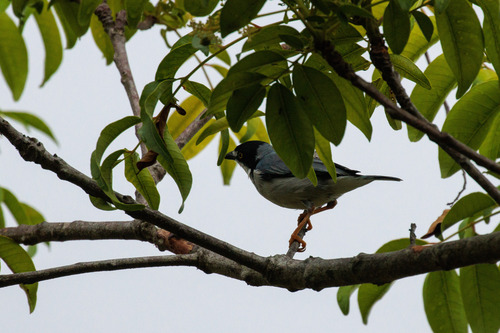 Hooded Tanager
In breve
Il segno di campo più affidabile tra Lesser Shrike-Tyrant e Hooded Tanager è il motivo della testa: i maschi adulti di Hooded Tanager hanno un colletto nero sorprendente con lore bianche e gola, mentre i Lesser Shrike-Tyrant mostrano una corona grigio-marrone con lore macchiate e un supercilium pallido. I giovani Hooded Tanager sono blu pallido sopra e grigio-bluastro sotto, senza mai mostrare la gola striata o toni marroni del shrike-tyrant. Anche la struttura aiuta: il shrike-tyrant è più grande e robusto, con un becco più pesante e ricurvo e una coda più lunga. Entrambe le specie possono mostrare parti inferiori chiare e parti superiori grigioastre, ma la combinazione di motivo della testa, forma del becco e colore delle gambe (giallo nel tanager, nerastro nel shrike-tyrant) è decisiva.
Consigli di identificazione
- Motivo della testa (maschi adulti): I maschi di Hooded Tanager hanno un colletto nero solido con lore bianche e gola—unico e inconfondibile. Il Lesser Shrike-Tyrant non mostra mai un colletto nero; cerca invece una corona grigio-marrone, lore macchiate e un supercilium pallido.
- Motivo della testa (femmine adulte): Le femmine di Hooded Tanager mancano del colletto nero, ma la loro testa è dello stesso blu grigiastro delle parti superiori, con lore bianche. Le femmine di shrike-tyrant rimangono grigio-marroni con un supercilium pallido e gola striata.
- Piumaggio giovanile: I giovani Hooded Tanager sono blu pallido sopra e grigio-bluastro sotto con gambe e piedi rosa-arancio—mai striati sulla gola o marroni. I giovani shrike-tyrant non sono descritti in dettaglio ma dovrebbero assomigliare agli adulti essendo grigio-marroni e striati.
- Motivo della gola: Il shrike-tyrant mostra sempre una gola bianca con sottili strisce nere (maschio) o marroni (femmina). I maschi di Hooded Tanager hanno una gola bianca pulita; le femmine hanno una gola bianca con sfumature beige, mai striata.
- Forma del becco: Il shrike-tyrant ha un becco nero sottile e ricurvo—notevolmente simile a un shrike. Il Hooded Tanager ha un becco più corto e tipico da tanager: nero nei maschi, bicolore nelle femmine (nero sopra, grigiastro sotto).
- Colore delle gambe: Le gambe di Hooded Tanager sono gialle o giallo-marroni (adulti), rosa-arancio (giovani). Le gambe del shrike-tyrant sono sempre nerastre.
- Colore dell'iride: Il Hooded Tanager ha un'iride gialla; l'iride del shrike-tyrant è scura.
- Motivo delle ali: Il shrike-tyrant mostra ali scure con punte bianche sulle copritrici e bordi pallidi sulle piume di volo interne, oltre a una coda scura con esterni pallidi. Le ali e la coda del Hooded Tanager sono grigio-bluastre, senza punte o bordi pallidi.
- Parti inferiori: Entrambi possono apparire chiari sotto, ma il shrike-tyrant è di un bianco cremoso con fianchi grigio-marroni pallidi (con sfumature beige); il Hooded Tanager è bianco con fianchi grigio pallido (maschio) o beige (femmina).
- Struttura e jizz: Il shrike-tyrant è più grande, più robusto, con una coda più lunga e una postura più eretta e simile a un shrike. Il Hooded Tanager è più piccolo, più leggero e più attivo.
- Comportamento: Il shrike-tyrant si appollaia esposto e in posizione eretta, spesso su perches basse; il tanager è più attivo nel fogliame, raramente si appollaia all'aperto per lungo.
- Habitat: Il shrike-tyrant preferisce habitat aperti, arbustivi o praterie; il tanager è più spesso in aree boschive o semi-aperte.
- Dimorfismo sessuale: Il Hooded Tanager è fortemente dimorfico (colletto nero nei maschi solo); i sessi del shrike-tyrant sono simili, con solo lievi differenze nel colore delle strisce della gola.
- Motivo della coda: Il shrike-tyrant ha una coda scura con esterni grigio pallido a bianchi sulle piume più esterne; la coda del tanager è semplicemente grigio-bluastro.
- Trappole: In scarsa luce, entrambi possono apparire grigio-blu sopra e chiari sotto, ma la combinazione di motivo della testa, becco e colore delle gambe è sempre diagnostica se vista bene.
Taglia
Il Lesser Shrike-Tyrant è notevolmente più grande e robusto, misurando 16–18,5 cm di lunghezza, rispetto ai 12–13,5 cm del Hooded Tanager. Il tanager è più leggero, con una massa tipica da adulto di circa 16 g. Il shrike-tyrant ha una postura più robusta e eretta e una coda proporzionalmente più lunga, mentre il tanager è più compatto e leggero.
Piumaggio
- Giovani: I giovani Hooded Tanager sono blu pallido sopra e grigio-bluastro sotto, con gambe e piedi rosa-arancio—mai mostrando la gola striata o toni grigio-marroni del shrike-tyrant. I giovani Lesser Shrike-Tyrant non sono descritti in dettaglio, ma gli adulti e gli immaturi mostrano sempre qualche combinazione di parti superiori grigio-marroni e gola bianca striata.
- Maschi adulti: I maschi di Hooded Tanager hanno un colletto nero audace con lore bianche e gola, parti superiori blu grigiastro e parti inferiori bianche con fianchi grigio pallido. I maschi di Lesser Shrike-Tyrant sono grigio-marroni sopra, con lore macchiate di nero e bianco, supercilium pallido e gola bianca con sottili strisce nere.
- Femmine adulte: Le femmine di Hooded Tanager mancano del colletto nero; la loro testa corrisponde alle parti superiori blu grigiastro, e le parti inferiori sono bianche con una sfumatura beige. Le femmine di shrike-tyrant sono molto simili ai maschi ma hanno strisce di gola più marroni.
- Ali e coda: Le ali del shrike-tyrant sono scure con punte bianche sulle copritrici e bordi pallidi sulle piume di volo interne; la coda è scura con esterni pallidi. Le ali e la coda del Hooded Tanager sono grigio-bluastre, senza le punte pallide delle copritrici e il motivo della coda del shrike-tyrant.
Comportamento
Il Lesser Shrike-Tyrant si appollaia tipicamente in posizione eretta e esposta, spesso su recinzioni o arbusti bassi, scrutando il suo preda con una postura simile a un shrike. Il Hooded Tanager è più attivo e agile, spesso muovendosi attraverso il fogliame o facendo brevi voli tra i rami, ed è meno probabile che si appollaia all'aperto per lunghi periodi. La costruzione più pesante e i movimenti deliberati del shrike-tyrant contrastano con il comportamento più leggero e inquieto del tanager.
Habitat
Entrambe le specie possono sovrapporsi in gamma in alcune parti del Sud America, ma il Lesser Shrike-Tyrant è più probabile in habitat aperti, arbustivi, praterie o bordi, spesso a elevate altitudini o in aree più secche. Il Hooded Tanager si trova in una gamma più ampia di habitat boschivi e semi-aperti, inclusi bordi forestali, crescita secondaria e talvolta giardini. Se visto in boschi densi o foreste umide di pianura, il Hooded Tanager è più probabile; in aree aperte, aride o montane, il shrike-tyrant è favorito.
Lesser Shrike-Tyrant · Hooded Tanager · I miei uccelli difficili