

Motmot

メンハタオリドリ 対 キイロメンガタハタオリ

Ploceus intermedius 対 Ploceus vitellinus

メンハタオリドリとキイロメンガタハタオリのクイズ

メンハタオリドリ (Ploceus intermedius) メンハタオリドリ
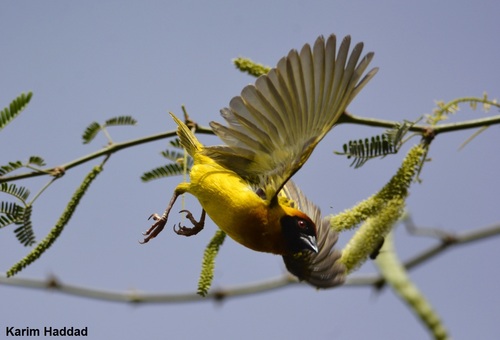
キイロメンガタハタオリ (Ploceus vitellinus) キイロメンガタハタオリ

メディア

読み込み中…

要点

レッサーマスクハタオリとキイロメンガタハタオリをフィールドで区別するのは難しいです。特に繁殖期外や未成熟の個体では、両者は黒い顔のマスクを持つ黄色いハタオリであり、東アフリカでの分布が重なっています。最も信頼できる違いは地理的なもので、レッサーマスクハタオリは主に東部、南東部、南アフリカに生息し、キイロメンガタハタオリは西部、中央、東アフリカでより一般的です。構造的および羽毛の違いは微妙で、利用可能な情報源では十分に文書化されていないため、文脈と分布が最良の手がかりとなることが多いです。両種はコロニーで巣を作り、混合群れで見られることがあり、混乱を招くことがあります。正確な識別のためには、場所、微妙な羽毛の手がかり(利用可能な場合)、および文脈の組み合わせを使用してください。

識別のコツ

  1. 地理的分布が最も信頼できる区別要因: 南アフリカにいる場合、レッサーマスクハタオリがデフォルトです。西部または中央アフリカでは、キイロメンガタハタオリの方がはるかに可能性が高いです。東アフリカでは両者が見られるため、追加の手がかりを使用してください。
  2. コロニーの文脈: レッサーマスクハタオリは、ズグロウロコハタオリや時にはアカビタイハタオリと一緒に大きなコロニーで巣を作ることがよくあります。これらの種と混合コロニーを見た場合、レッサーマスクハタオリは強い候補ですが、独占的ではありません。
  3. 繁殖期のオスの顔のマスク: 両種は繁殖羽毛で黒い顔のマスクを持っていますが、情報源はマスクの形状や範囲の違いについての詳細を提供していません。地域特有のイラストを持つフィールドガイドや地元の経験がない限り、マスクの詳細に頼らないでください。
  4. 黄色の色合い: 両種は全体的に黄色であり、情報源では色合いや強度に一貫した違いは文書化されていません。黄色のトーンを主要な区別要因として使用しないでください。
  5. 未成熟および非繁殖の鳥: 特徴的な幼鳥や初冬の翼や体の羽毛の違いは記載されていません。両種は、詳細な地元の知識がない限り、これらの年齢では区別できない可能性が高いです。
  6. サイズと構造: 両者は中型のハタオリであり、くちばし、尾、翼の形状に文書化された構造的な違いはありません。サイズは安全なフィールドマークではありません。
  7. 巣の関連性: ズグロウロコハタオリやアカビタイハタオリの近くで巣を作っているのを観察した場合、レッサーマスクハタオリの可能性が高いですが、これは独占的ではありません。
  8. 生息地: 両種は類似の生息地を使用します—開けた国、サバンナ、水辺の近くの地域。生息地は、分布が重なる場合には診断的ではありません。
  9. 声: 情報源では声の違いは文書化されていません。歌や鳴き声を区別に使用しないでください。
  10. 混合群れ: 両種は特に東アフリカで混合ハタオリの群れに見られることがあります。コロニー内で単一の種を仮定することには注意してください。
  11. 季節: 非繁殖期には、両種は明るいマスクを失い、さらに区別が難しくなります。主な手がかりとして場所と文脈を使用してください。
  12. 落とし穴: 顔のマスクの形状や黄色のトーンに過度に依存することは、地元の経験や詳細なフィールドガイドがない限り危険です。重複を予期し、不確実性について正直でいてください。
  13. 疑問がある場合: 分布が重なる地域では、近接観察や捕獲なしにフィールドで個体を特定することは不可能な場合があります。不確実な場合は「マスクハタオリ属」と記録してください。
  14. 地元のフィールドガイドを参照: 両種が生息する地域でバードウォッチングをしている場合、地域特有のフィールドガイドがこれらのメモに含まれていない微妙な違いを示すことがあります。
  15. 後で確認するために写真を撮る: 可能であれば、後で地元の専門家や詳細なガイドと比較するための写真を撮ってください。特に非繁殖期や未成熟の羽毛の鳥に対しては重要です。

大きさ

レッサーマスクハタオリのみが文書化された成鳥の体重(22.0 g [wikidata])を持っています。キイロメンガタハタオリの測定値は利用できませんが、両者は典型的な中型のハタオリであり、サイズが重なる可能性が高いです。フィールドでは、サイズはこれら二種の間で信頼できる区別要因ではありません。

羽色

両種に関して、年齢特有または飛行特有の上翼パターンの違いは情報源に文書化されていません。両者はクラシックなハタオリの外観を持っています:黄色い体、繁殖期のオスの黒い顔のマスク、そして類似の非繁殖期および未成熟の羽毛。幼鳥や未成熟の翼パターンに関する詳細なノートがない限り、羽毛の区別は黒いマスクと黄色のトーンの範囲と色合いの微妙な違いに依存しますが、これらは利用可能な情報源では詳細に記載されていません。両種はマスクのサイズや黄色の色合いに類似した変異を示すことができ、特に成鳥の繁殖羽毛以外では視覚的な区別が非常に難しくなります。

行動

両種は非常に社会的で、大きなコロニーで巣を作り、時には他のハタオリ種と関連します。レッサーマスクハタオリはズグロウロコハタオリやアカビタイハタオリと一緒に巣を作ることで知られていますが、これは独特の行動ではありません。採餌や飛行行動はハタオリに典型的であり、これら二種の間で診断的ではありません。

生息環境

レッサーマスクハタオリは東部、南東部、南アフリカに生息し、キイロメンガタハタオリは西部、中央、東アフリカに生息しています。彼らの分布は東アフリカで重なっていますが、キイロメンガタハタオリは最南部の地域には存在しません。両種は開けた国、サバンナ、水辺の近くの地域など、類似の生息地を使用しますので、生息地だけでは分布が重なる場合には診断的ではありません。しかし、南アフリカでは、マスクハタオリはレッサーマスクハタオリである可能性が高いです。

より良い説明を送る

比較と同じ項目を使ってください。文章はすぐに公開されます。

Separating Lesser Masked-Weaver from Vitelline Masked-Weaver in the field is challenging, especially outside the breeding season or with immatures, as both are yellow weavers with black facial masks and overlapping ranges in eastern Africa. The most reliable difference is geographic: Lesser Masked-Weaver is found mainly in eastern, south-eastern, and southern Africa, while Vitelline Masked-Weaver is more common in western, central, and eastern Africa. Structural and plumage differences are subtle and not well documented in the available sources, so context and range are often the best clues. Both species are colonial nesters and may occur in mixed flocks, increasing confusion. Use a combination of location, subtle plumage cues (when available), and context for the best chance of correct identification.

  1. Geographic range is the most reliable separator: If you are in southern Africa, Lesser Masked-Weaver is the default. In western or central Africa, Vitelline Masked-Weaver is far more likely. In eastern Africa, both occur, so use additional clues.
  2. Colony context: Lesser Masked-Weaver often nests in large colonies with Village Weaver and sometimes Red-billed Buffalo Weaver. If you see mixed colonies with these species, Lesser Masked-Weaver is a strong candidate, but not exclusive.
  3. Facial mask in breeding males: Both species have a black facial mask in breeding plumage, but the sources do not provide details on differences in mask shape or extent. Do not rely on mask details unless you have local experience or a field guide with region-specific illustrations.
  4. Yellow coloration: Both species are yellow overall, and no consistent difference in shade or intensity is documented in the sources. Do not use yellow tone as a primary separator.
  5. Immature and non-breeding birds: No distinctive juvenile or first-winter wing or body plumage differences are described. Both species are likely to be indistinguishable at these ages without detailed local knowledge.
  6. Size and structure: Both are medium-sized weavers with no documented structural differences in bill, tail, or wing shape. Size is not a safe field mark.
  7. Nest association: If you observe the species nesting in close proximity to Village Weaver or Red-billed Buffalo Weaver, Lesser Masked-Weaver is more likely, but this is not exclusive.
  8. Habitat: Both species use similar habitats—open country, savanna, and areas near water. Habitat is not diagnostic except at the extremes of their ranges.
  9. Voice: No vocal differences are documented in the sources. Do not use song or call for separation.
  10. Mixed flocks: Both species may occur in mixed weaver flocks, especially in eastern Africa. Be cautious of assuming a single species in a colony.
  11. Season: During the non-breeding season, both species lose the bright mask and become even harder to separate. Use location and context as your main clues.
  12. Pitfalls: Over-reliance on facial mask shape or yellow tone is risky without local experience or detailed field guides. Expect overlap and be honest about uncertainty.
  13. When in doubt: In areas of range overlap, it may not be possible to identify every individual in the field without close study or capture. Record as "masked weaver sp." if uncertain.
  14. Consult local field guides: If you are birding in an area where both species occur, a region-specific field guide may illustrate subtle differences not covered in these notes.
  15. Photograph for later review: If possible, take photos for later comparison with local experts or detailed guides, especially for birds in non-breeding or immature plumage.

Only Lesser Masked-Weaver has a documented adult body mass (22.0 g [wikidata]); no measurement is available for Vitelline Masked-Weaver, but both are typical medium-sized weavers and likely overlap in size. In the field, size is not a reliable separator between these two species.

No age-specific or flight-specific upperwing pattern differences are documented in the sources for either species. Both have the classic weaver look: yellow body, black facial mask in breeding males, and similar non-breeding and immature plumages. Without detailed notes on juvenile or immature wing patterns, plumage separation relies on subtle differences in the extent and shade of the black mask and yellow tones, which are not detailed in the available sources. Both species can show similar variation in mask size and yellow coloration, making visual separation extremely difficult, especially outside of adult breeding plumage.

Both species are highly social, nesting in large colonies and sometimes associating with other weaver species. Lesser Masked-Weaver is noted for nesting alongside Village Weaver and Red-billed Buffalo Weaver, but this is not a unique behavior. Foraging and flight behavior are typical for weavers and not diagnostic between these two species.

Lesser Masked-Weaver is found in eastern, south-eastern, and southern Africa, while Vitelline Masked-Weaver occurs in western, central, and eastern Africa. Their ranges overlap in eastern Africa, but Vitelline is absent from the southernmost regions. Both species use similar habitats—open country, savanna, and areas near water—so habitat alone is not diagnostic where ranges overlap. However, in southern Africa, a masked weaver is more likely to be Lesser Masked-Weaver.

変更を破棄しますか?

保存していない編集があります。今離れると失われます。

メンハタオリドリ · キイロメンガタハタオリ · 苦手な鳥