

Lesser Masked-Weaver vs Vitelline Masked-Weaver
Ploceus intermedius contro Ploceus vitellinus
Fai un quiz con Lesser Masked-Weaver e Vitelline Masked-Weaver
 Lesser Masked-Weaver
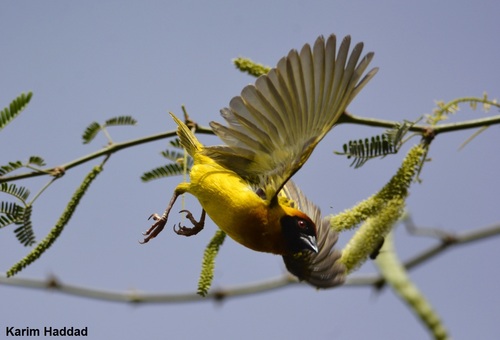 Vitelline Masked-Weaver
In breve
Separare il Lesser Masked-Weaver dal Vitelline Masked-Weaver sul campo è una sfida, specialmente al di fuori della stagione riproduttiva o con immaturi, poiché entrambi sono tessitori gialli con maschere facciali nere e aree sovrapposte nell'Africa orientale. La differenza più affidabile è geografica: il Lesser Masked-Weaver si trova principalmente nell'Africa orientale, sud-orientale e meridionale, mentre il Vitelline Masked-Weaver è più comune nell'Africa occidentale, centrale e orientale. Le differenze strutturali e di piumaggio sono sottili e non ben documentate nelle fonti disponibili, quindi il contesto e l'area sono spesso i migliori indizi. Entrambe le specie sono nidi coloniali e possono verificarsi in stormi misti, aumentando la confusione. Usa una combinazione di posizione, indizi di piumaggio sottili (quando disponibili) e contesto per avere la migliore possibilità di identificazione corretta.
Consigli di identificazione
- L'area geografica è il separatore più affidabile: Se ti trovi nell'Africa meridionale, il Lesser Masked-Weaver è il default. Nell'Africa occidentale o centrale, il Vitelline Masked-Weaver è molto più probabile. Nell'Africa orientale, entrambi si trovano, quindi usa indizi aggiuntivi.
- Contesto della colonia: Il Lesser Masked-Weaver spesso nidifica in grandi colonie con il Tessitore gendarme e talvolta con il Tessitore bufalo dal becco rosso. Se vedi colonie miste con queste specie, il Lesser Masked-Weaver è un forte candidato, ma non esclusivo.
- Maschera facciale nei maschi in riproduzione: Entrambe le specie hanno una maschera facciale nera in piumaggio riproduttivo, ma le fonti non forniscono dettagli sulle differenze nella forma o nell'estensione della maschera. Non fare affidamento sui dettagli della maschera a meno che tu non abbia esperienza locale o una guida sul campo con illustrazioni specifiche per la regione.
- Colorazione gialla: Entrambe le specie sono complessivamente gialle e non è documentata alcuna differenza consistente nella tonalità o nell'intensità nelle fonti. Non usare il tono giallo come separatore principale.
- Uccelli immaturi e non in riproduzione: Non sono descritte differenze distintive nel piumaggio delle ali o del corpo per i giovani o i primi inverni. Entrambe le specie sono probabilmente indistinguibili a queste età senza una conoscenza locale dettagliata.
- Dimensioni e struttura: Entrambi sono tessitori di dimensioni medie senza differenze strutturali documentate nel becco, nella coda o nella forma delle ali. La dimensione non è un segno sicuro sul campo.
- Associazione del nido: Se osservi le specie nidificare in prossimità del Tessitore gendarme o del Tessitore bufalo dal becco rosso, è più probabile che sia il Lesser Masked-Weaver, ma questo non è esclusivo.
- Habitat: Entrambe le specie utilizzano habitat simili: campagna aperta, savana e aree vicino all'acqua. L'habitat non è diagnostico tranne che agli estremi delle loro aree.
- Voce: Non sono documentate differenze vocali nelle fonti. Non usare il canto o il richiamo per la separazione.
- Stormi misti: Entrambe le specie possono verificarsi in stormi misti di tessitori, specialmente nell'Africa orientale. Fai attenzione a presumere una singola specie in una colonia.
- Stagione: Durante la stagione non riproduttiva, entrambe le specie perdono la maschera brillante e diventano ancora più difficili da separare. Usa la posizione e il contesto come i tuoi principali indizi.
- Trappole: Fare troppo affidamento sulla forma della maschera facciale o sul tono giallo è rischioso senza esperienza locale o guide dettagliate sul campo. Aspettati sovrapposizioni e sii onesto riguardo all'incertezza.
- Quando hai dubbi: In aree di sovrapposizione dell'area, potrebbe non essere possibile identificare ogni individuo sul campo senza uno studio ravvicinato o cattura. Registra come "masked weaver sp." se incerto.
- Consulta le guide locali: Se stai osservando gli uccelli in un'area in cui si trovano entrambe le specie, una guida sul campo specifica per la regione potrebbe illustrare differenze sottili non coperte in queste note.
- Fotografa per una revisione successiva: Se possibile, scatta foto per un confronto successivo con esperti locali o guide dettagliate, specialmente per gli uccelli in piumaggio non riproduttivo o immaturo.
Taglia
Solo il Lesser Masked-Weaver ha una massa corporea adulta documentata (22,0 g [wikidata]); non è disponibile alcuna misurazione per il Vitelline Masked-Weaver, ma entrambi sono tessitori di dimensioni medie tipiche e probabilmente si sovrappongono in dimensioni. Sul campo, la dimensione non è un separatore affidabile tra queste due specie.
Piumaggio
Non sono documentate differenze specifiche per età o per il modello delle ali superiori in volo nelle fonti per entrambe le specie. Entrambi hanno l'aspetto classico del tessitore: corpo giallo, maschera facciale nera nei maschi in riproduzione e piumaggi simili non riproduttivi e immaturi. Senza note dettagliate sui modelli delle ali dei giovani o degli immaturi, la separazione del piumaggio si basa su differenze sottili nell'estensione e nella tonalità della maschera nera e dei toni gialli, che non sono dettagliate nelle fonti disponibili. Entrambe le specie possono mostrare variazioni simili nella dimensione della maschera e nella colorazione gialla, rendendo estremamente difficile la separazione visiva, specialmente al di fuori del piumaggio adulto in riproduzione.
Comportamento
Entrambe le specie sono altamente sociali, nidificando in grandi colonie e talvolta associandosi con altre specie di tessitori. Il Lesser Masked-Weaver è noto per nidificare accanto al Tessitore gendarme e al Tessitore bufalo dal becco rosso, ma questo non è un comportamento unico. Il comportamento di foraggiamento e volo è tipico per i tessitori e non diagnostico tra queste due specie.
Habitat
Il Lesser Masked-Weaver si trova nell'Africa orientale, sud-orientale e meridionale, mentre il Vitelline Masked-Weaver si verifica nell'Africa occidentale, centrale e orientale. Le loro aree si sovrappongono nell'Africa orientale, ma il Vitelline è assente dalle regioni più meridionali. Entrambe le specie utilizzano habitat simili: campagna aperta, savana e aree vicino all'acqua, quindi l'habitat da solo non è diagnostico dove le aree si sovrappongono. Tuttavia, nell'Africa meridionale, un tessitore mascherato è più probabile che sia il Lesser Masked-Weaver.
Lesser Masked-Weaver · Vitelline Masked-Weaver · I miei uccelli difficili