

Motmot

コシラギクタイランチョウ 対 シラギクタイランチョウ

Elaenia chiriquensis 対 Elaenia albiceps

コシラギクタイランチョウとシラギクタイランチョウのクイズ

コシラギクタイランチョウ (Elaenia chiriquensis) コシラギクタイランチョウ
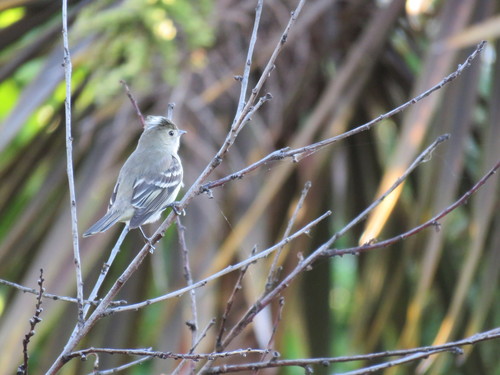
シラギクタイランチョウ (Elaenia albiceps) シラギクタイランチョウ

メディア

読み込み中…

要点

コシラギクタイランチョウとシラギクタイランチョウの最も信頼できるフィールドマークは、腹部と尾羽の色と範囲です:コシラギクタイランチョウは明らかに淡い黄色の腹部と尾羽の覆い羽を示し、シラギクタイランチョウは下側が白っぽいです。両種は部分的に隠れた白い冠斑、2つの淡い翼帯、そして似た全体の構造を持っており、特に鈍い光や遠くからの視界では、一見して区別するのが難しい場合があります。頭の模様、腹部の色、冠の形の微妙な違いが重要ですが、個体差や亜種の変異に注意が必要です。両者は小型の冠羽を持つ捕虫鳥であるため、下部の色と顔のコントラストに注意を払うことが不可欠です。

識別のコツ

  1. Belly and undertail color: 最も有用なマーク—コシラギクタイランチョウは明らかに淡い黄色の腹部と尾羽の覆い羽を持ち、シラギクタイランチョウは白っぽいまたは淡い灰色です。これは成鳥と幼鳥の両方に当てはまります。
  2. Head and crest: 両者は部分的に隠れた白い斑点またはストライプを持つ小さな冠を持っています。シラギクの冠はよりふさふさしており、白いストライプはより中央にあります;コシラギクタイランチョウの冠はより四角く、白い斑点はあまり目立ちません。
  3. Facial pattern: コシラギクタイランチョウは明るい頬と薄い白いアイリングを示し、やや開いた顔の印象を与えます。シラギクは白っぽいロアとアイリングを持っていますが、上面が鈍いことや一部の亜種でコントラストが少ないため、印象はあまり強くありません。
  4. Upperparts: 両者はオリーブ色から灰色がかったオリーブ色ですが、シラギクはしばしば鈍いまたはより灰色がかったオリーブ色です。これは微妙で、常に信頼できるわけではありません。
  5. Wing bars: 両者は白い先端の覆い羽から形成された2つの淡い翼帯を持っています。シラギクの翼帯は、指名種ではわずかに白く、より明確である可能性がありますが、これは摩耗や亜種によって異なります。強い区別にはなりません。
  6. Flight feather edges: 両種は飛行羽の淡い縁を持ち、シラギクでは時々黄色がかることがあります(特にE. a. urubambae)、しかしコシラギクタイランチョウの黄色の腹部ほど明るくはありません。
  7. Tail: 両者は暗い尾を持ち、シラギクの尾は狭いオリーブ色の縁を示すことがありますが、これは微妙で、フィールドで診断的であることは稀です。
  8. Throat and breast: コシラギクタイランチョウは灰色の喉と灰色がかったオリーブ色の胸を持ち、黄色の腹部に溶け込んでいます。シラギクの喉はより明るい灰色または白っぽく、胸はより淡く、オリーブ色ではありません。
  9. Bill and legs: 両者は暗いくちばしを持ち、下顎の基部は淡い色で、脚は暗いです;これは有用なフィールドマークではありません。
  10. Size and structure: シラギクはわずかに大きく、冠がふさふさしていることが多いですが、重なりが広範囲にわたるため、区別には信頼できません。
  11. Habitat and range: アンデス山脈や南アメリカの南部、特に高地や乾燥した山間の谷にいる場合、シラギクの方が可能性が高いです。低地の中米、アマゾニア、またはトリニダードでは、コシラギクタイランチョウが期待されます。
  12. Subspecies variation: 一部のシラギクの亜種(例:urubambae)は腹部に淡い黄色の洗いが見られることがありますが、決してコシラギクタイランチョウの黄色ほど明るく広範囲ではありません。重なりのある地域では注意が必要です。
  13. Voice: もし慣れていれば、シラギクのぼやけた、くしゃみのような鳴き声や複雑な夜明けの歌が役立つことがありますが、地域の変異や他のエラエニアとの類似に注意してください。
  14. Season and age: どちらの種にも特有の幼鳥または未成熟の翼の模様は記載されていません;すべての年齢は2つの淡い翼帯と淡い縁の飛行羽を示します。
  15. Pitfalls: 鈍い光、摩耗した羽毛、または視界が悪いと、腹部の色や顔のコントラストが隠れることがあります。常に下部の色と頭の模様を確認し、範囲と生息地を補助的な証拠として使用し、主要なマークとしては使用しないでください。

大きさ

両種はサイズが非常に近く、シラギクタイランチョウはコシラギクタイランチョウ(13–14 cm、11.5–22 g)よりわずかに大きい(13.5–15 cm、12.5–24.2 g)ですが、この違いは小さく、フィールドでは信頼できません。構造は似ており、両者は小型でコンパクトな捕虫鳥で、短くて四角いまたはふさふさした冠を持っています。くちばしと尾の比率は彼らの間で特異ではありません。

羽色

行動

両種は単独またはペアで採餌し、主に摘み取りや短い飛び出しを行います。コシラギクタイランチョウはしばしば上層の下層で採餌し、混成種の群れに加わることは稀です。シラギクタイランチョウも単独で採餌し、群れを作ることは記録されていません。採餌行動は強い区別にはなりません。

生息環境

コシラギクタイランチョウは非常に広範な範囲を持ち、中米から南アメリカのほとんど(チリとウルグアイを除く)に分布し、トリニダードや一部のカリブ海の迷鳥も含まれます。通常は開けた森林、森林の縁、二次成長に生息します。シラギクタイランチョウはアンデス山脈と南アメリカの南部(ボリビア、チリ、コロンビア、エクアドル、ペルー)により制限されており、亜熱帯および温帯の森林の縁、開けた森林、低木、乾燥した山間の谷を好み、しばしば高地に生息します。アンデスの一部の山麓地域では重なりが可能ですが、シラギクはコシラギクタイランチョウの低地の範囲の多くには存在しません。

声

鳴き声は異なりますが、変動があり、フィールドで常に診断的ではありません。シラギクタイランチョウは一連のぼやけた、上昇下降する音とくしゃみのような呼び声を出し、一部の亜種で変異があります。コシラギクタイランチョウの声はここでは詳細に記載されていません。地域の声の方言に慣れていない限り、声は信頼できる区別にはなりません。

より良い説明を送る

比較と同じ項目を使ってください。文章はすぐに公開されます。

The most reliable field mark between Lesser Elaenia and White-crested Elaenia is the color and extent of the belly and undertail: Lesser Elaenia shows a distinctly pale yellow belly and undertail coverts, while White-crested Elaenia is whitish below. Both species have a partially hidden white crown patch, two pale wing bars, and similar overall structure, which can make them tricky to separate at a glance, especially in dull light or with distant views. Subtle differences in head pattern, belly color, and crest shape are key, but beware of individual and subspecific variation. Both are small, crested flycatchers, so careful attention to underpart color and facial contrast is essential.

  1. Belly and undertail color: The single most useful mark—Lesser Elaenia has a distinctly pale yellow belly and undertail coverts, while White-crested Elaenia is whitish or light gray below. This works for adults and immatures.
  2. Head and crest: Both have a small crest with a partially hidden white patch or stripe. White-crested's crest is bushier and the white stripe is more central; Lesser Elaenia's is squarer and the white patch is less obvious.
  3. Facial pattern: Lesser Elaenia shows lighter cheeks and a thin whitish eyering, giving a slightly more open-faced look. White-crested has whitish lores and eyering, but the effect is less striking due to duller upperparts and less contrast in some subspecies.
  4. Upperparts: Both are olive to grayish-olive above, but White-crested is often duller or more gray-olive, especially in some subspecies. This is subtle and not always reliable.
  5. Wing bars: Both have two pale wing bars from white-tipped coverts. White-crested's bars may be slightly whiter and more distinct in nominate birds, but this varies with wear and subspecies. Not a strong separator.
  6. Flight feather edges: Both species have pale edges to the flight feathers, sometimes yellowish in White-crested (especially E. a. urubambae), but never as bright as the yellow belly of Lesser Elaenia.
  7. Tail: Both have dusky tails; White-crested's may show narrow olive edges, but this is subtle and rarely diagnostic in the field.
  8. Throat and breast: Lesser Elaenia has a gray throat and grayish olive breast, blending into the yellow belly. White-crested's throat is lighter gray or whitish, with a paler, less olive breast.
  9. Bill and legs: Both have dark bills with a pale base to the mandible and dark legs; not a useful field mark.
  10. Size and structure: White-crested averages slightly larger and bushier-crested, but overlap is extensive and not reliable for separation.
  11. Habitat and range: If in the Andes or southern South America, especially at higher elevations or in drier intermontane valleys, White-crested is more likely. In lowland Central America, Amazonia, or Trinidad, Lesser Elaenia is expected.
  12. Subspecies variation: Some White-crested subspecies (e.g., urubambae) may show a pale yellow wash on the belly, but never as bright or extensive as Lesser Elaenia's yellow. Be cautious in areas of overlap.
  13. Voice: If familiar, White-crested's burry, sneezing calls and complex dawn song can help, but beware of regional variation and similarity to other elaenias.
  14. Season and age: No unique juvenile or immature wing patterns are described for either species; all ages show two pale wing bars and pale-edged flight feathers.
  15. Pitfalls: Dull light, worn plumage, or poor views can obscure belly color and facial contrast. Always try to confirm underpart color and head pattern, and use range and habitat as supporting evidence, not primary marks.

Both species are very close in size, with White-crested Elaenia averaging slightly larger (13.5–15 cm, 12.5–24.2 g) than Lesser Elaenia (13–14 cm, 11.5–22 g), but this difference is minor and not reliable in the field. Structure is similar: both are small, compact flycatchers with short, squarish or bushy crests. Bill and tail proportions are not distinctive between them.

  • Juvenile/immature plumage: No specific age-unique wing or flight pattern differences are described for either species. Both show two pale wing bars formed by white-tipped coverts and pale edges to the flight feathers, present from juvenile through adult plumages.

  • Adult plumage: Lesser Elaenia is grayish olive above with a thin whitish eyering, lighter cheeks, and a partially hidden white crown patch. The underparts are grayish olive on the breast, with a distinctly pale yellow belly and undertail coverts. White-crested Elaenia is dull olive to olive-gray above, with a bushy crest showing a partially hidden white or creamy stripe, whitish lores and eyering, and a whitish to light gray throat and belly (not yellow). Its wing bars are white or whitish, and the tail is dusky with narrow olive edges. Subspecies of White-crested Elaenia may show paler or duller upperparts, less distinct wing bars, or a yellowish wash on the belly (not as strong as Lesser Elaenia's yellow).

Both species forage singly or in pairs, mainly by gleaning and short sallies from perches. Lesser Elaenia often forages in the upper understory and rarely joins mixed-species flocks. White-crested Elaenia also forages singly and is not noted for flocking. Foraging behavior is not a strong separator.

Lesser Elaenia has a much broader range, found from Central America through most of South America (except Chile and Uruguay), including Trinidad and some Caribbean vagrants. It typically inhabits open woodlands, forest edges, and secondary growth. White-crested Elaenia is more restricted to the Andes and southern South America (Bolivia, Chile, Colombia, Ecuador, Peru), favoring edges of subtropical and temperate forests, open woodlands, scrub, and drier intermontane valleys, often at higher elevations. Overlap is possible in some Andean foothill regions, but White-crested is absent from much of Lesser Elaenia's lowland range.

Vocalizations differ but are variable and not always diagnostic in the field. White-crested Elaenia gives a series of burry, rising-falling notes and sneezing calls, with some subspecific variation. Lesser Elaenia's voice is not described in detail here. Unless you are familiar with local vocal dialects, voice is not a reliable separator.

変更を破棄しますか?

保存していない編集があります。今離れると失われます。

コシラギクタイランチョウ · シラギクタイランチョウ · 苦手な鳥