

Lesser Elaenia vs White-crested Elaenia
Elaenia chiriquensis contro Elaenia albiceps
Fai un quiz con Lesser Elaenia e White-crested Elaenia
 Lesser Elaenia
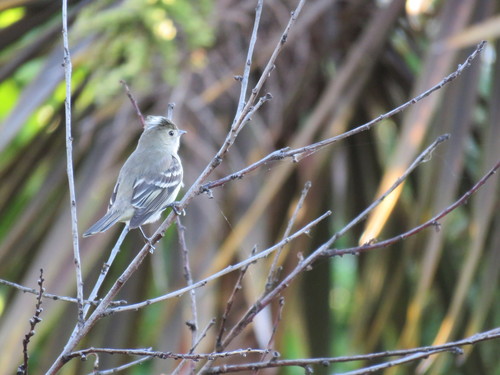 White-crested Elaenia
In breve
Il segno di campo più affidabile tra Lesser Elaenia e White-crested Elaenia è il colore e l'estensione del ventre e della coda sottostante: Lesser Elaenia mostra un ventre e copritrici della coda di un giallo pallido distintivo, mentre White-crested Elaenia è bianco sotto. Entrambe le specie hanno una macchia coronale bianca parzialmente nascosta, due barre alari chiare e una struttura generale simile, il che può renderle difficili da separare a colpo d'occhio, specialmente in luce fioca o con viste distanti. Sottile differenze nel pattern della testa, nel colore del ventre e nella forma della cresta sono fondamentali, ma attenzione alla variazione individuale e subspecifica. Entrambi sono piccoli, con cresta, quindi è essenziale prestare attenzione al colore delle parti inferiori e al contrasto facciale.
Consigli di identificazione
- Colore del ventre e della coda sottostante: Il segno più utile—Lesser Elaenia ha un ventre e copritrici della coda di un giallo pallido distintivo, mentre White-crested Elaenia è bianco o grigio chiaro sotto. Questo vale per adulti e immaturi.
- Testa e cresta: Entrambi hanno una piccola cresta con una macchia o striscia bianca parzialmente nascosta. La cresta di White-crested è più folta e la striscia bianca è più centrale; quella di Lesser Elaenia è più quadrata e la macchia bianca è meno evidente.
- Pattern facciale: Lesser Elaenia mostra guance più chiare e un anello oculare bianco sottile, dando un aspetto leggermente più aperto. White-crested ha lore e anello oculare bianchi, ma l'effetto è meno marcato a causa delle parti superiori più opache e del minor contrasto in alcune sottospecie.
- Parti superiori: Entrambi sono olivacei a grigio-olivacei sopra, ma White-crested è spesso più opaco o più grigio-olivaceo, specialmente in alcune sottospecie. Questo è sottile e non sempre affidabile.
- Barre alari: Entrambi hanno due barre alari chiare formate da copritrici con punte bianche. White-crested's barre possono essere leggermente più bianche e più distinte negli esemplari nominativi, ma questo varia con l'usura e le sottospecie. Non è un forte separatore.
- Bordi delle penne alari: Entrambe le specie hanno bordi chiari sulle penne alari, a volte giallastri in White-crested (specialmente E. a. urubambae), ma mai così brillanti come il ventre giallo di Lesser Elaenia.
- Coda: Entrambi hanno code scure; quella di White-crested può mostrare bordi olivacei stretti, ma questo è sottile e raramente diagnostico sul campo.
- Gola e petto: Lesser Elaenia ha una gola grigia e un petto grigio-olivaceo, che si fonde con il ventre giallo. La gola di White-crested è grigia più chiara o bianca, con un petto più pallido e meno olivaceo.
- Becco e zampe: Entrambi hanno becchi scuri con una base chiara della mandibola e zampe scure; non è un segno utile sul campo.
- Dimensioni e struttura: White-crested è mediamente leggermente più grande e con cresta più folta, ma la sovrapposizione è ampia e non affidabile per la separazione.
- Habitat e distribuzione: Se si trova nelle Ande o nel sud America, specialmente a quote più elevate o in valli intermontane più secche, è più probabile incontrare White-crested. In America Centrale a bassa quota, in Amazzonia o a Trinidad, ci si aspetta di trovare Lesser Elaenia.
- Variazione delle sottospecie: Alcune sottospecie di White-crested (ad es., urubambae) possono mostrare una leggera sfumatura gialla sul ventre, ma mai così brillante o estesa come quella di Lesser Elaenia. Fai attenzione nelle aree di sovrapposizione.
- Voce: Se familiare, le chiamate nasali e starnutite di White-crested e il complesso canto dell'alba possono aiutare, ma fai attenzione alla variazione regionale e alla somiglianza con altre elaenia.
- Stagione e età: Non sono descritti pattern unici di ali per i giovani o immaturi per nessuna delle due specie; tutte le età mostrano due barre alari chiare e penne alari con bordi chiari.
- Trappole: Luce fioca, piumaggio usurato o viste scarse possono offuscare il colore del ventre e il contrasto facciale. Cerca sempre di confermare il colore delle parti inferiori e il pattern della testa, e usa la distribuzione e l'habitat come prove di supporto, non come segni primari.
Taglia
Entrambe le specie sono molto simili in dimensioni, con White-crested Elaenia che è mediamente leggermente più grande (13.5–15 cm, 12.5–24.2 g) rispetto a Lesser Elaenia (13–14 cm, 11.5–22 g), ma questa differenza è minore e non affidabile sul campo. La struttura è simile: entrambe sono piccoli, compatte, con creste corte, quadrate o folte. Le proporzioni di becco e coda non sono distintive tra di loro.
Piumaggio
-
Piumaggio giovanile/immaturo: Non sono descritte differenze specifiche di pattern delle ali o di volo uniche per età per nessuna delle due specie. Entrambe mostrano due barre alari chiare formate da copritrici con punte bianche e bordi chiari sulle penne alari, presenti dal piumaggio giovanile a quello adulto.
-
Piumaggio adulto: Lesser Elaenia è grigio-olivaceo sopra con un anello oculare bianco sottile, guance più chiare e una macchia coronale bianca parzialmente nascosta. Le parti inferiori sono grigio-olivacee sul petto, con un ventre e copritrici della coda di un giallo pallido distintivo. White-crested Elaenia è di un olivaceo opaco a grigio-olivaceo sopra, con una cresta folta che mostra una striscia bianca o crema parzialmente nascosta, lore e anello oculare bianchi, e una gola e un ventre bianchi o grigio chiaro (non gialli). Le sue barre alari sono bianche o bianche, e la coda è scura con bordi olivacei stretti. Le sottospecie di White-crested Elaenia possono mostrare parti superiori più chiare o opache, barre alari meno distinte, o una sfumatura gialla sul ventre (non così forte come il giallo di Lesser Elaenia).
Comportamento
Entrambe le specie si nutrono singolarmente o in coppie, principalmente raccogliendo e facendo brevi voli da posatoi. Lesser Elaenia si nutre spesso nella parte superiore del sottobosco e raramente si unisce a stormi di specie miste. White-crested Elaenia si nutre anche singolarmente e non è nota per formare stormi. Il comportamento di foraggiamento non è un forte separatore.
Habitat
Lesser Elaenia ha un'area di distribuzione molto più ampia, trovata dall'America Centrale attraverso la maggior parte del Sud America (eccetto Cile e Uruguay), inclusa Trinidad e alcuni vagabondi caraibici. Abita tipicamente boschi aperti, bordi forestali e crescita secondaria. White-crested Elaenia è più ristretta alle Ande e al sud America (Bolivia, Cile, Colombia, Ecuador, Perù), preferendo i bordi delle foreste subtropicali e temperate, boschi aperti, cespugli e valli intermontane più secche, spesso a quote più elevate. La sovrapposizione è possibile in alcune regioni di foothill andine, ma White-crested è assente da gran parte dell'area di distribuzione a bassa quota di Lesser Elaenia.
Voce
Le vocalizzazioni differiscono ma sono variabili e non sempre diagnostiche sul campo. White-crested Elaenia emette una serie di note nasali, ascendenti-discendenti e chiamate starnutite, con alcune variazioni subspecifiche. La voce di Lesser Elaenia non è descritta in dettaglio qui. A meno che tu non sia familiare con i dialetti vocali locali, la voce non è un separatore affidabile.
Lesser Elaenia · White-crested Elaenia · I miei uccelli difficili